
The discovery of a piece of bone by a child in the Ranshofen area of Upper Austria (Oberösterreich) has led to the identification of six mysterious mass graves and the launch of extensive archaeological investigations in the region.
According to the Austrian newspaper Heute, archaeologists have so far uncovered the remains of approximately 100 young men, aged between 15 and 25, at the site. The manner in which these individuals were buried, combined with the absence of clear evidence regarding their identities or the cause of their deaths, has turned the discovery into one of the most intriguing archaeological mysteries of recent years.
Initial examinations indicate that the bones show no signs of injuries, weapons, clothing, or personal belongings. Experts say that this lack of evidence has made it extremely difficult to determine who these individuals were and why they were buried there.
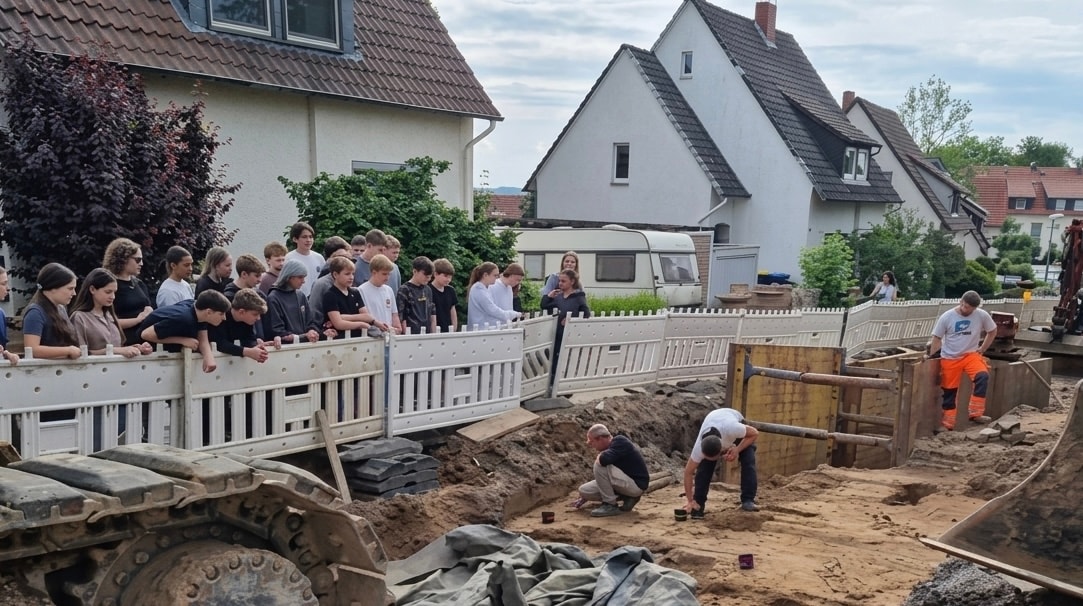
The discovery began in March this year, when a child found a human bone while playing at the site of a construction project. After the child’s mother informed the police, archaeological excavations began and construction work by the Vienna-based company Novotus was suspended. Company officials have stated that workers returned to the site about a week ago, after being away for nearly four months.
Over the past four months, archaeologists have uncovered six mass graves and several individual graves in the area. Each mass grave contains the remains of approximately 20 to 25 people, bringing the total number of recovered individuals to around 100.
Heinz Gruber, from Austria’s Federal Monuments Authority, said that in his 20 years of professional experience, he had never encountered a discovery of this nature.
Sheridan Strang, the archaeologist leading the project, stated that no female remains have been found at the site so far. All of the individuals discovered have been young men between the ages of 15 and 25, adding further complexity to the investigation.
Radiocarbon dating suggests that the burials took place between 1723 and 1813; however, experts have emphasized that further testing is required to establish a more precise timeframe.
Based on the initial hypothesis, the individuals may have been soldiers or civilians who died after clashes with French forces in 1805 and were subsequently buried at the site. However, no conclusive evidence has yet been found to confirm this theory.
According to archaeologists, some of the skeletons were buried face down, an unusual position that may indicate hurried or improvised burials. No personal items were found alongside the remains, and it remains unclear whether the individuals were buried while still wearing their clothes. Examinations have revealed only fractures in the ankles of some skeletons, with no other evidence of violence detected.
The presence of several individual graves among the mass burials has raised additional questions. Researchers do not yet know why some individuals were buried separately, and the identities of these young men, as well as the circumstances surrounding their deaths and burial, remain unresolved mysteries.
Writer:Salima Aryaei