
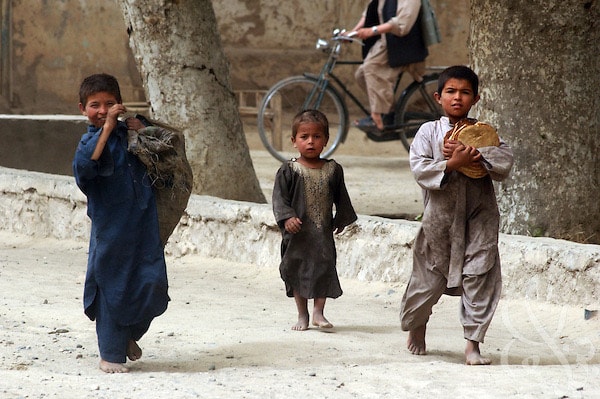
The United Nations Development Programme (UNDP), in its recent report titled “Socio-Economic Overview of Afghanistan”, stated that in 2025, around 28 million people in Afghanistan were unable to meet even their most basic living needs.
The report noted that poverty in Afghanistan continues to spread, affecting a large portion of families.
According to the organization, climate shocks, a reduction in international aid following the events of 2021, and restrictions imposed on women’s education and work have been identified as the main factors intensifying the country’s livelihood crisis.
Experts have warned that excluding half of the population from education and economic activities could have long-term and detrimental consequences for Afghanistan’s economic growth and social stability.
Writer:Salima Aryaei