
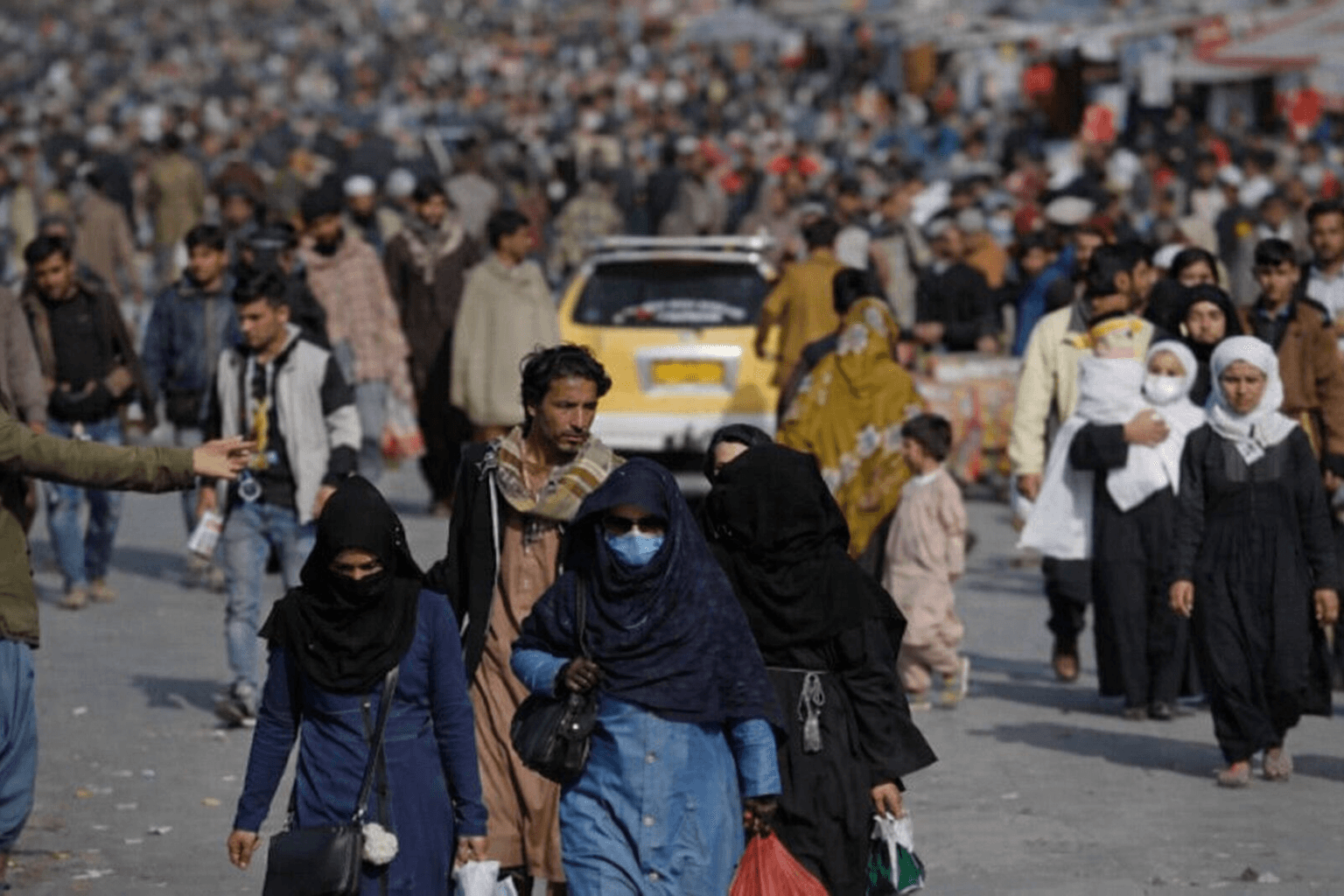
The United Nations Office for the Coordination of Humanitarian Affairs (OCHA) has estimated Afghanistan’s population at 48.6 million in the current calendar year, a figure that exceeds both the United Nations’ standard population estimates and the figures reported by the Taliban administration. A review of published UN documents indicates that the large-scale return of Afghan migrants from Iran and Pakistan has been one of the principal factors behind this higher population estimate.
This estimate has also been used in several other United Nations reports, including assessments on food security and the water crisis, and now serves as the basis for humanitarian planning in Afghanistan. Humanitarian organizations rely on this figure to assess the scale of needs and the resources required to support vulnerable populations across the country.
According to United Nations reports, more than five million Afghan nationals have returned from Iran and Pakistan since late 2023. Some were forcibly deported, while others returned voluntarily. International organizations believe that this large-scale return has significantly affected the country’s demographic profile and increased humanitarian needs.
At the same time, Afghanistan’s population estimates vary considerably across different institutions. The United Nations Population Division projects the country’s population at approximately 45 million in 2026, while the Taliban-run National Statistics and Information Authority estimates it at around 36 to 37 million.
Experts say the primary reason for these discrepancies lies in the different methodologies and objectives underlying the estimates. OCHA calculates the population currently present inside Afghanistan, including recent returnees, for the purpose of humanitarian planning. By contrast, the United Nations’ demographic projections are based on long-term population trends, including fertility, mortality, and migration patterns.
The absence of a comprehensive civil registration system and weaknesses in recording cross-border movements have also made it difficult to determine Afghanistan’s population with precision. As a result, significant differences continue to exist between the population figures published by domestic authorities and those produced by international organizations.
Writer:Salima Aryaei