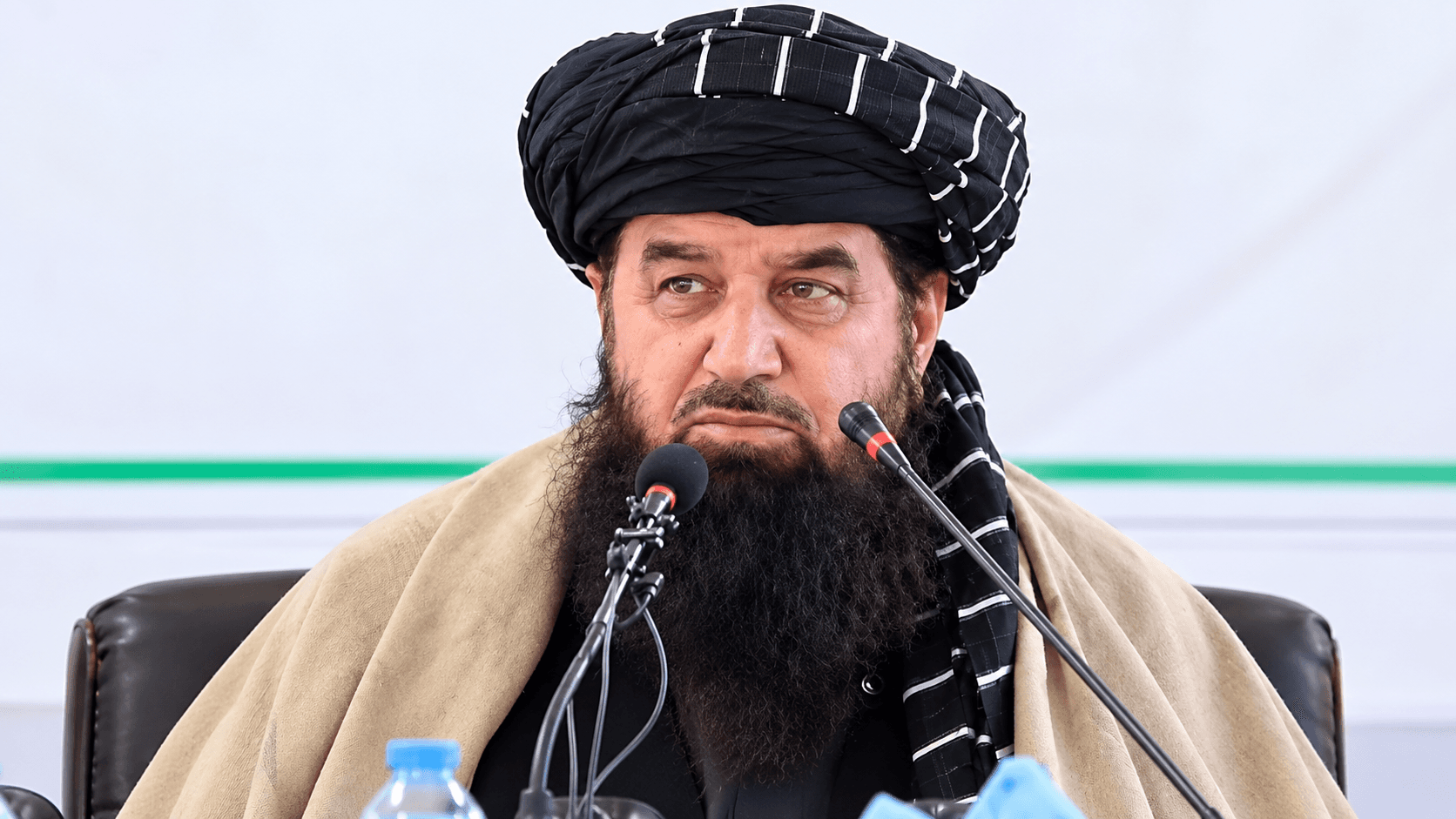

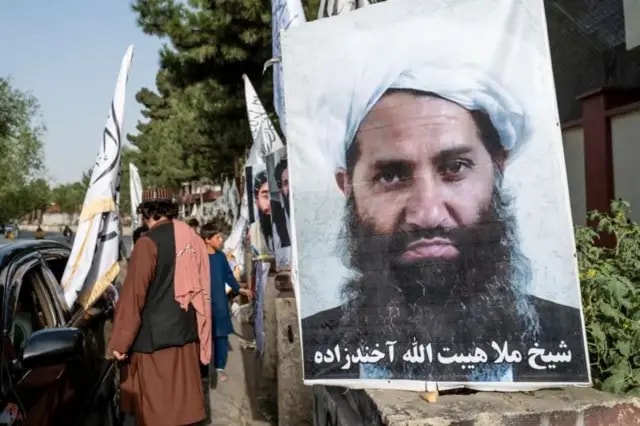
Haibatullah Akhundzada, the Taliban’s supreme leader, has been ranked 43rd on the 2027 edition of the annual The Muslim 500: The World’s 500 Most Influential Muslims, published by Jordan’s Royal Islamic Strategic Studies Centre. The list recognises influential figures across the political, religious, social and cultural spheres of the Muslim world.
Five prominent figures from Saudi Arabia, Pakistan and Türkiye jointly occupy the top position on this year’s list. They are Saudi King Salman bin Abdulaziz, Crown Prince Mohammed bin Salman, Pakistani Prime Minister Shehbaz Sharif, Pakistan’s Chief of Defence Forces, Field Marshal Asim Munir, and Turkish President Recep Tayyip Erdoğan.
They are followed by Iran’s Supreme Leader Mojtaba Khamenei in second place and Jordan’s King Abdullah II in third. Qatar’s Emir, Sheikh Tamim bin Hamad Al Thani, ranks fourth. Pakistani Islamic scholar Muhammad Taqi Usmani, Yemeni religious scholar Habib Umar bin Hafiz, Egypt’s Grand Imam of Al-Azhar, Ahmed Al-Tayeb, and Mauritanian Islamic scholar Abdullah bin Bayyah occupy fifth to eighth positions, respectively.
The list is not limited to political and religious leaders; it also features several prominent figures from the worlds of sports and culture. Among them are Egyptian football star Mohamed Salah, former French international footballer Zinedine Zidane, Senegalese footballer Sadio Mané, American basketball legend Kareem Abdul-Jabbar, French and Spanish footballers Ousmane Dembélé and Lamine Yamal, and former Russian mixed martial arts fighter Khabib Nurmagomedov.
Akhundzada was ranked 44th on the 2026 list. In the latest edition, he has moved up one place to 43rd.
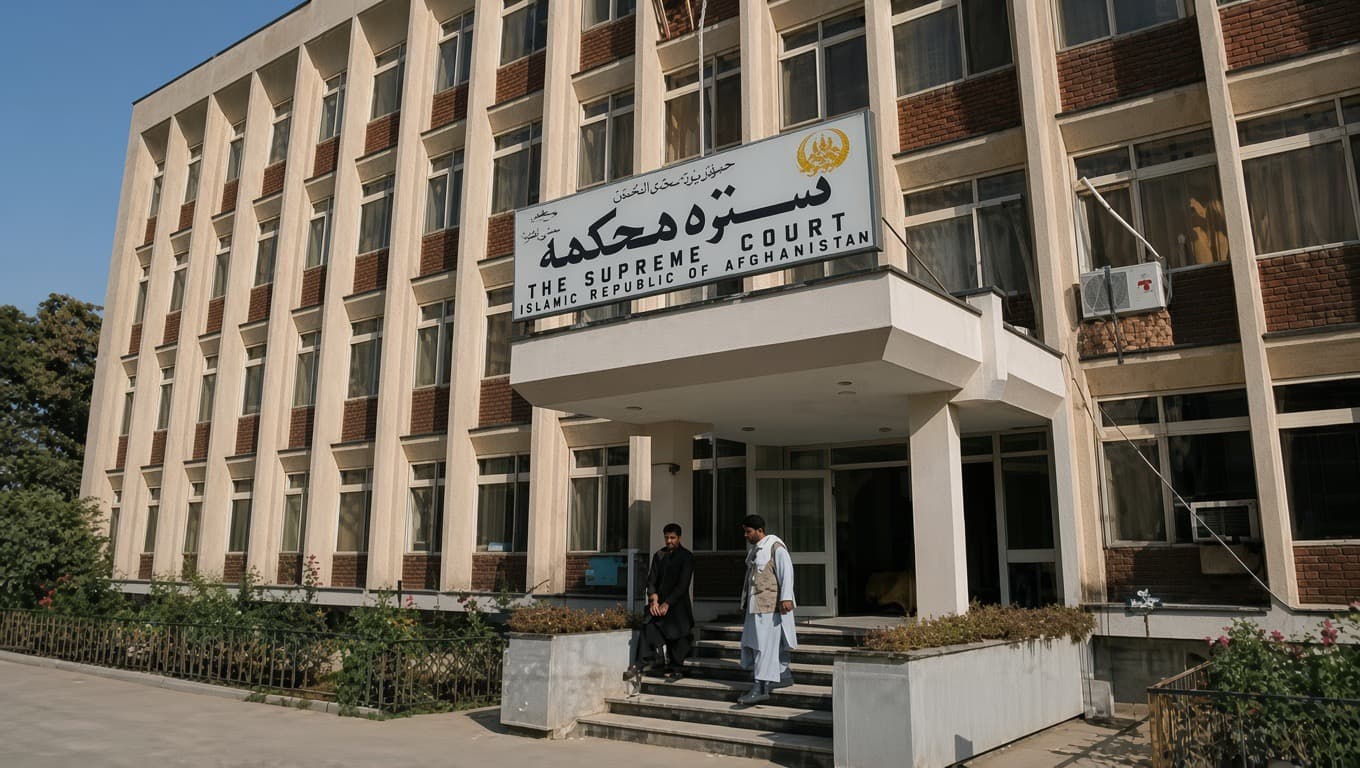
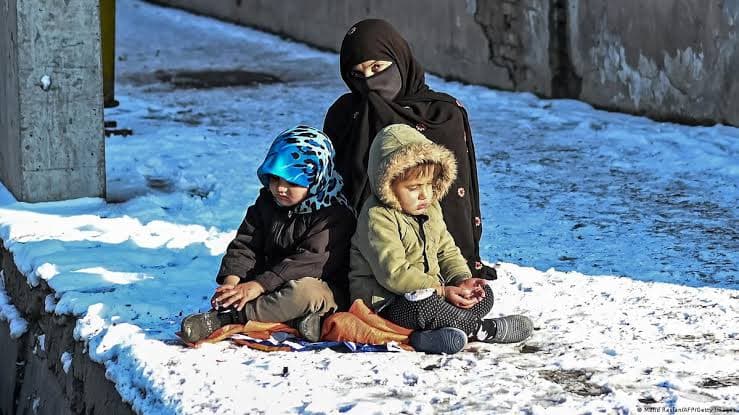
The report’s profile of the Taliban leader also highlights the restrictions imposed by the group on women’s and girls’ education, including the ban on girls attending school beyond the sixth grade and the exclusion of women from universities.
Haibatullah Akhundzada assumed leadership of the Taliban in 2016 following the killing of the group’s former leader, Mullah Akhtar Mohammad Mansour, in a US drone strike. Since the Taliban returned to power in 2021, Akhundzada has issued the group’s major decrees, with key political and social decisions made under his authority.
Jordan’s Royal Islamic Strategic Studies Centre publishes the annual ranking based on individuals’ political, religious, social and cultural influence. Inclusion on the list does not constitute an endorsement of an individual’s actions or views by the centre.
Writer:Roya Stanikzai