
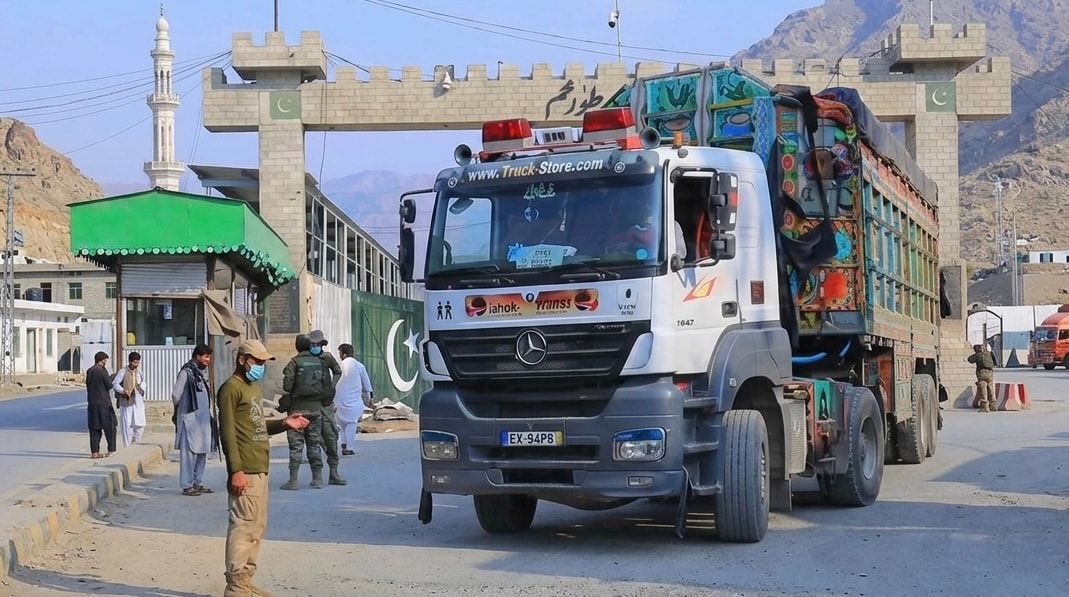
Despite the closure of the Pakistan-Afghanistan border, more than 700 trucks carrying international humanitarian aid have entered Afghanistan through Pakistan.
Olga Cherevko, spokesperson for the United Nations Office for the Coordination of Humanitarian Affairs (OCHA) in Afghanistan, told Agence France-Presse that the convoy was carrying “food and other essential humanitarian supplies.”
Mu Yahya, the UN Resident and Humanitarian Coordinator in Pakistan, wrote on X: “724 trucks carrying humanitarian consignments entered Afghanistan through Torkham and reached families most in need of this assistance.”
He also thanked Islamabad and “all those who made it possible to keep this vital humanitarian lifeline open.”
The conflict between the Taliban and Pakistan, which has led to the near-total closure of the land border between the two countries since October 2025, has severely disrupted routes for delivering humanitarian assistance.
Following the closure of the Pakistan border, humanitarian aid was transported through Iran. However, that route was also disrupted following the closure of the Strait of Hormuz and the war between Iran and the United States.
Nevertheless, despite suspending trade with Afghanistan, Pakistan has allowed the transit of humanitarian assistance into Afghanistan.
The World Food Programme (WFP) previously said that, due to the closure of the Afghanistan-Pakistan border and the Strait of Hormuz, 400 tonnes of fortified biscuits had reached Afghanistan after travelling 15,000 kilometres through nine countries.
The WFP says the route for delivering aid to Afghanistan has become longer and increasingly difficult.
In a report, the WFP warned that if the closure of the Afghanistan-Pakistan border continues and the Middle East crisis worsens, another 2.3 million people in Afghanistan could face food insecurity.
The WFP warned in early August that acute malnutrition among children in Afghanistan had reached critical levels this year.
According to the organisation, nearly 14 million Afghans are facing acute hunger following last year’s devastating earthquakes, several severe climate-related events this year, and the return of millions of Afghans from Iran and Pakistan since 2023.
Writer:Salima Aryaei