
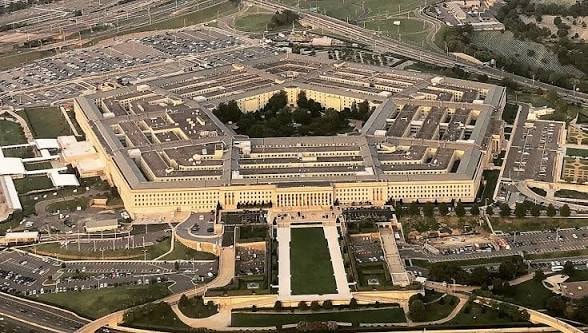
The U.S. Department of Defense has announced that journalists will no longer be allowed to enter the Pentagon’s press office. The move is the latest change in regulations governing media access to parts of the military institution and has drawn criticism from several media organizations.
Joe Valdez, the acting Pentagon spokesperson, said on Monday that the press office has been redesignated as a “Sensitive Compartmented Information Facility” (SCIF) because speechwriters work there and have access to classified information.
According to Valdez, speechwriters routinely handle sensitive and classified materials and require access to the Secure Internet Protocol Router Network (SIPRNet), a classified communications network, in order to perform their duties.
Valdez added that under the new rules, reporters will no longer be permitted to enter this office space. However, access to the Office of the Assistant Secretary of Defense for Public Affairs and the Pentagon spokesperson’s office will remain available by appointment.
The decision follows a series of changes affecting media access and operations within the Pentagon. The administration of President Donald Trump has, in recent months, implemented several measures to revise media access policies at government and military institutions.
In March, the Department of Defense announced that media organizations would no longer be allowed to maintain permanent office space inside the Pentagon. The decision came after a judge ruled in favor of The New York Times in a case challenging new media credentialing regulations.
The Pentagon had also previously announced that journalists would be required to be escorted by an official while moving around the building. In May, The New York Times filed a separate lawsuit seeking to overturn that restriction.
The National Press Club, one of the largest professional organizations for journalists in the United States, described the latest restrictions as a “troubling escalation” in limiting media access to the Pentagon.
Mark Schiefelbein Jr., the organization’s president, said that independent reporting on the U.S. military is essential for public awareness and that reducing journalists’ access could affect transparency and public oversight.
The Freedom of the Press Foundation, a nonprofit organization that advocates for press freedom, has also criticized the decision and expressed concern about its implications for journalistic activity.
Writer:Salima Aryaei