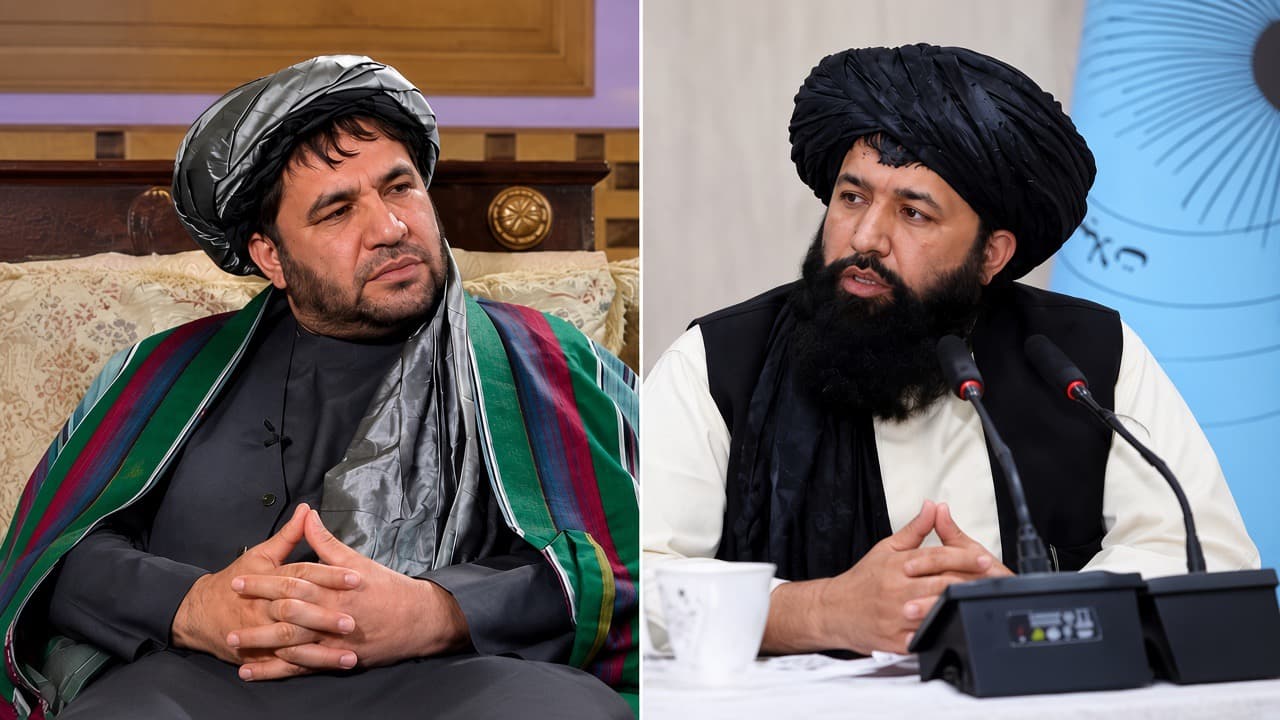

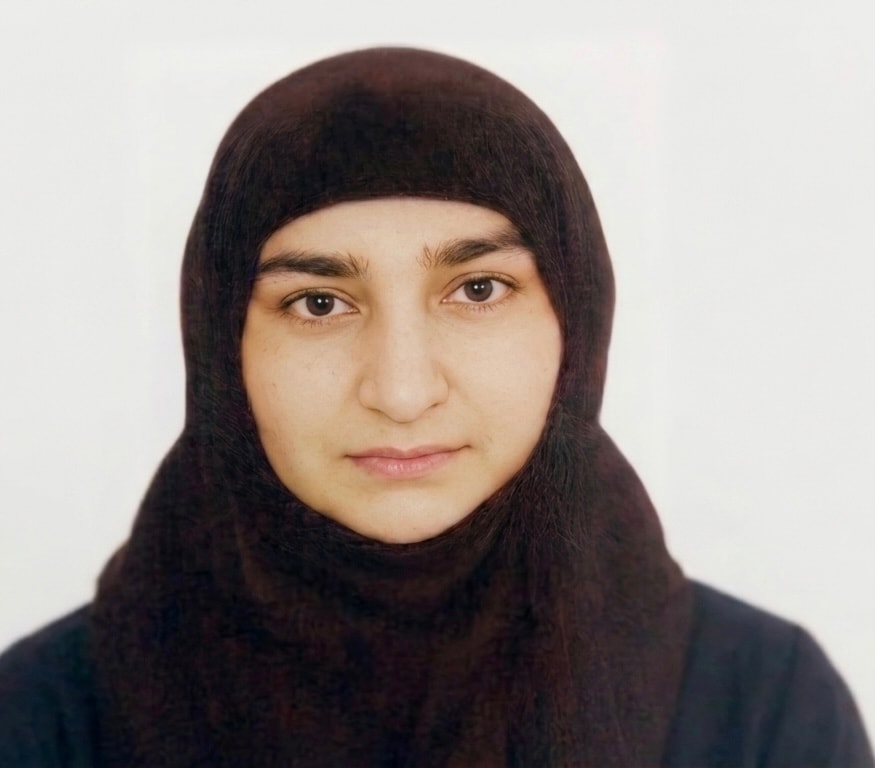
Sources close to the family of Bibi Sediqa, a 12-year-old girl who has been detained in a Taliban prison for approximately 21 months, say local officials of the group in the Balamorghab district of Badghis province have proposed a resolution to close the case: marrying the girl off for three days to Khodainazar, the man claiming to be her husband.
According to these sources, the proposal was put forward by the Taliban district governor in Balamorghab with the stated goal of resolving the dispute by securing the complainant's satisfaction. However, Bibi Sediqa’s family has rejected the proposal outright, condemning it as a violation of justice, law, and human dignity.
Information provided by the girl's relatives indicates that at age 12, Bibi Sediqa rejected Khodainazar’s claim of marriage, repeatedly emphasizing that she would not submit to a forced marriage against her will. Despite this, the Taliban opened a case against her, and the child has been held in prison for nearly 21 months.
Sources state that about a month ago, after the family brought the case to public and media attention, the Taliban announced that their courts would handle the matter on an expedited basis. Nevertheless, Bibi Sediqa’s family says no practical action has been taken, nor has any investigative panel been appointed to review the file.
According to the sources, contrary to public promises, the Taliban’s intelligence directorate in Balamorghab has placed intense pressure on family members, local elders, and residents of the area. Additionally, several young men from the village of Murichaq have reportedly been arrested in connection with the case.
Bibi Sediqa’s family says Taliban officials asked them to "marry Sediqa to Khodainazar for three days," after which the dispute could be settled through negotiation and mutual consent. Sources added that financial compensation was also offered to sway the family into agreement.
The family reports that despite prior rulings from Taliban courts ordering Bibi Sediqa’s release on bail, she remains incarcerated. They have appealed to the media and human rights organizations to maintain coverage of the case to prevent her plight from being forgotten.
Documents obtained by media outlets show that the judicial deputy of the Taliban’s Supreme Court for the Western Zone issued an official decree ordering Bibi Sediqa’s release on bail. However, her family says that despite fulfilling the bail requirements, the order has not been executed, and she has not been released for even a single day.
In another official document seen by the media, a Taliban court reconfirmed the previous ruling granting her release on bail following a request from the family. Despite these two formal court orders, the family maintains that local Taliban officials refuse to execute them, leaving the young girl behind bars.
Meanwhile, human rights activists caution that the Taliban’s approval of the "Regulations on the Separation of Couples" could further proliferate child marriage. They point out that Article 5 of the regulations grants special authority to fathers and grandfathers regarding the marriage contracts of underage girls.
Under the text of these regulations, if a relative other than the father or paternal grandfather executes a child’s marriage contract under the specified conditions, the marriage is considered valid; however, the individual retains the right to petition for annulment upon reaching maturity, subject to a court order.
Earlier, the United Nations Assistance Mission in Afghanistan (UNAMA) expressed deep concern over the publication of these regulations, stating that the directive governing marital separation represents another step backward for the rights of Afghan women and girls, further institutionalizing systemic discrimination against them in both law and practice.
Writer:Saeed Sameer