
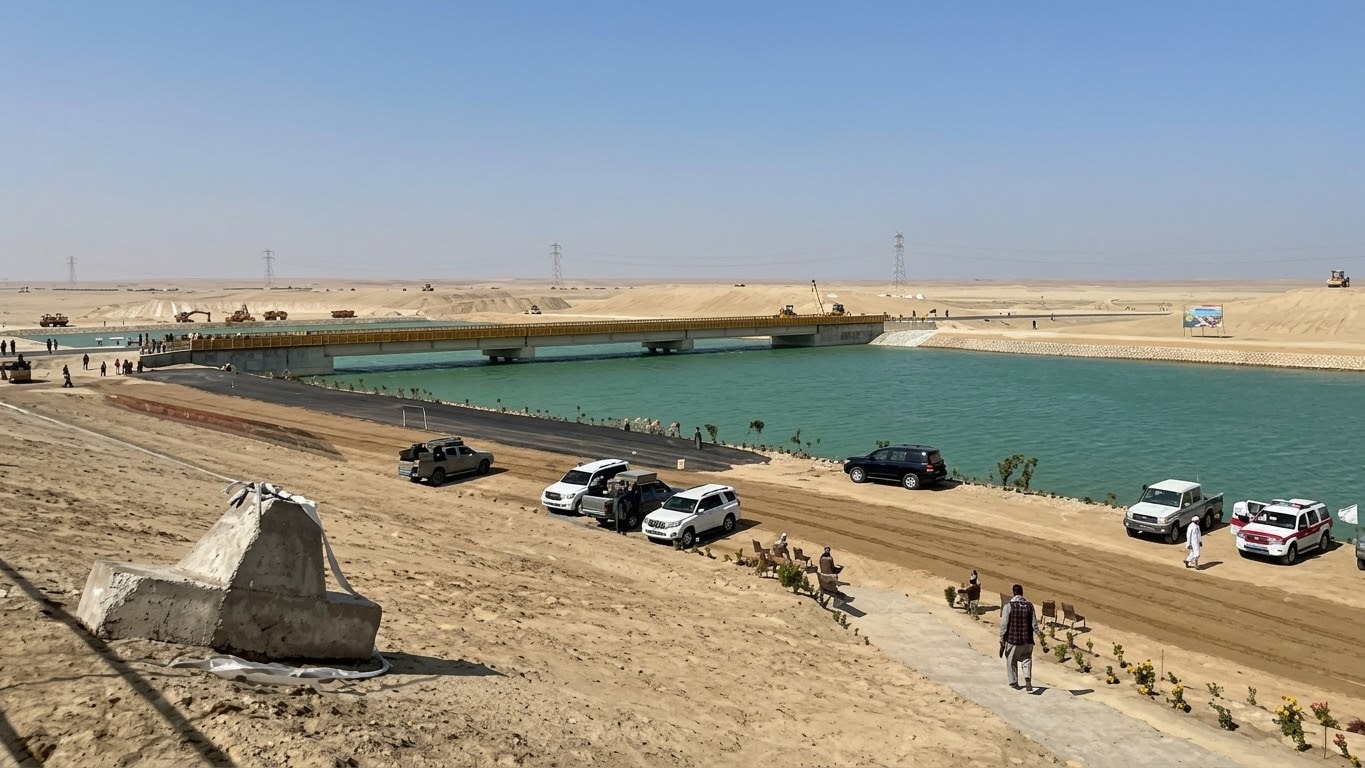
Progress on the construction of Afghanistan’s Qosh Tepa Canal has raised concerns among Central Asian countries over access to water from the Amu Darya River, even as the project offers hope for expanding agricultural land and strengthening the country’s food security. These countries fear that the canal’s operation could reduce the amount of water available to them, affecting their agricultural sectors and water supplies.
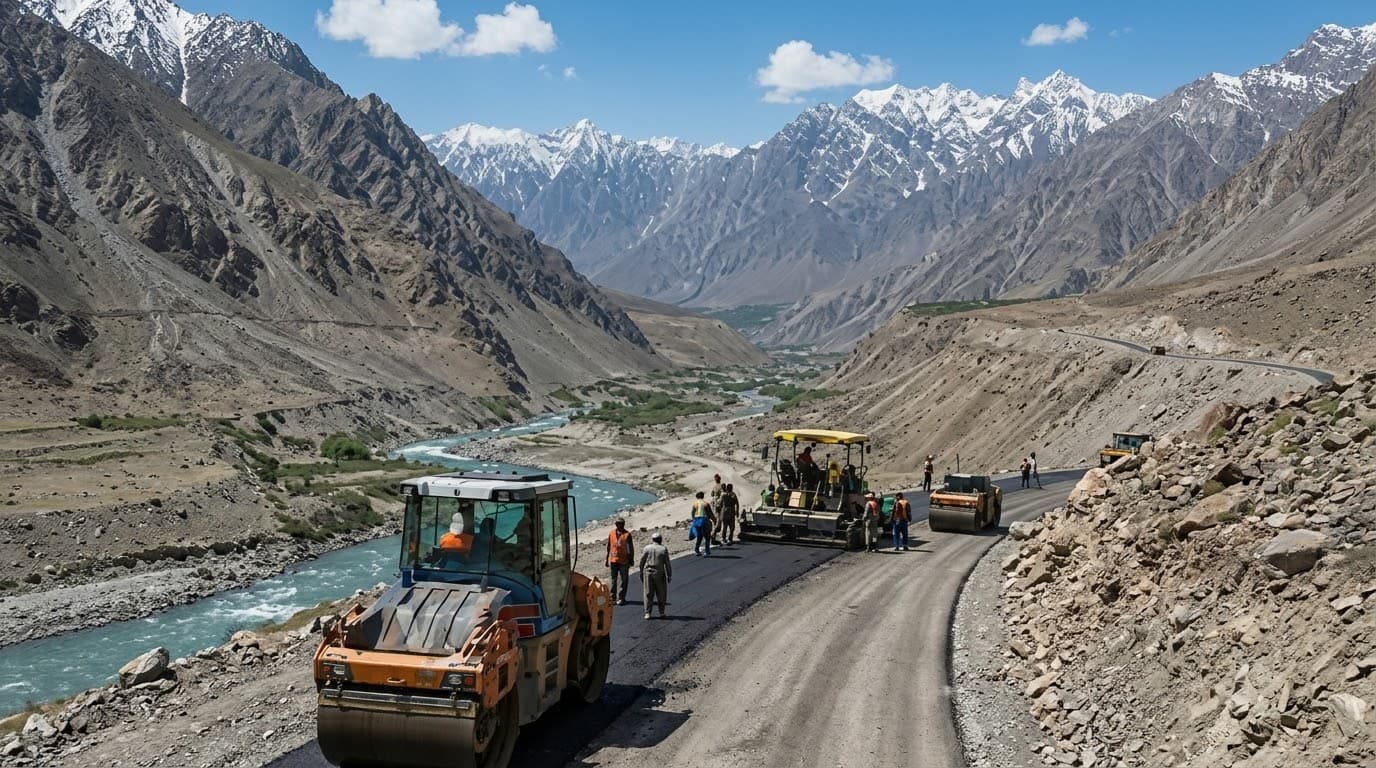
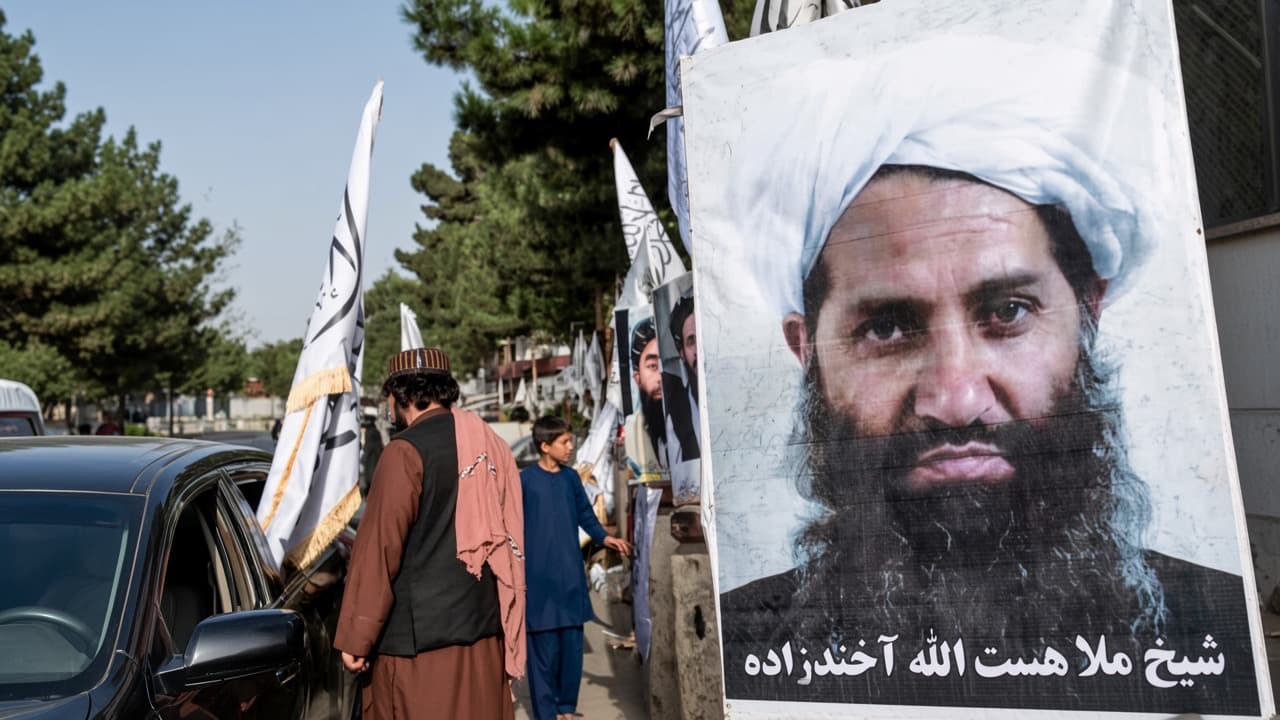
The Qosh Tepa Canal begins at the Amu Darya River in Balkh Province and extends through the provinces of Jawzjan and Faryab to Andkhoy District. The project was initially proposed during the government of Mohammad Daoud Khan. However, following the Taliban’s return to power in August 2021, completing the canal became one of the group’s major priorities.
According to The Astana Times, the canal is 285 kilometres long, 100 metres wide, and 8.5 metres deep. The Taliban say construction costs are being covered by customs and tax revenues, and excavation work is nearing its final stages.
The main concern among countries downstream of the Amu Darya is that the canal’s operation could alter the existing balance of water allocation and further restrict their access to this vital resource.
Uzbekistan is among the countries likely to be affected by changes in the river’s flow, given the extensive reliance of its agricultural lands on water from the Amu Darya.
In March 2026, Uzbekistan’s Minister of Water Resources warned that Afghanistan could withdraw approximately four billion cubic metres of water from the Amu Darya annually. According to the minister, this could pose serious challenges to Uzbekistan’s agricultural production.
Meanwhile, the region’s water resources are already under considerable pressure. The drying up of much of the Aral Sea and growing water shortages have intensified concerns about the consequences of increased water withdrawals from the Amu Darya. The report also highlights water storage challenges at the Tuyamuyun reservoir complex, which have heightened the risk of increasing water salinity.
Turkmenistan also depends on the Amu Darya to meet its agricultural water needs. Analysts believe that a reduction in the river’s flow could make it more difficult for Turkmen authorities to balance agricultural demands, environmental protection, and the water needs of local communities.
Tajikistan is likewise concerned about the potential consequences of reduced water availability, as changes in water resources could negatively affect its agricultural activities and electricity generation. According to the report, construction of the Qosh Tepa Canal has also brought longstanding disagreements between Kabul and Dushanbe over water management and allocation into sharper focus.
Although the Taliban have expressed support for regional cooperation in their political statements, Afghanistan has so far pursued the Qosh Tepa project largely unilaterally. The absence of a joint technical framework for water management and information sharing is considered one of the factors contributing to growing mistrust among countries in the region.
The report emphasises that Afghanistan and the Central Asian countries should prioritise regular dialogue on the management of the Amu Darya to prevent further tensions. Establishing a permanent framework for dialogue could facilitate the sharing of information on water resources, the assessment of the potential impacts of development projects, and the resolution of possible disputes.
For Afghanistan, the Qosh Tepa Canal is economically significant because of its potential to expand agriculture, increase domestic production, and strengthen food security. However, its effects will not be confined to Afghanistan’s borders. The canal’s management and the volume of water diverted from the Amu Darya could also affect water security across Central Asia.
Finding solutions based on regional cooperation and the sustainable management of water resources will therefore be an important issue in the future of Afghanistan’s relations with its neighbouring countries.
Writer:Roya Stanikzai