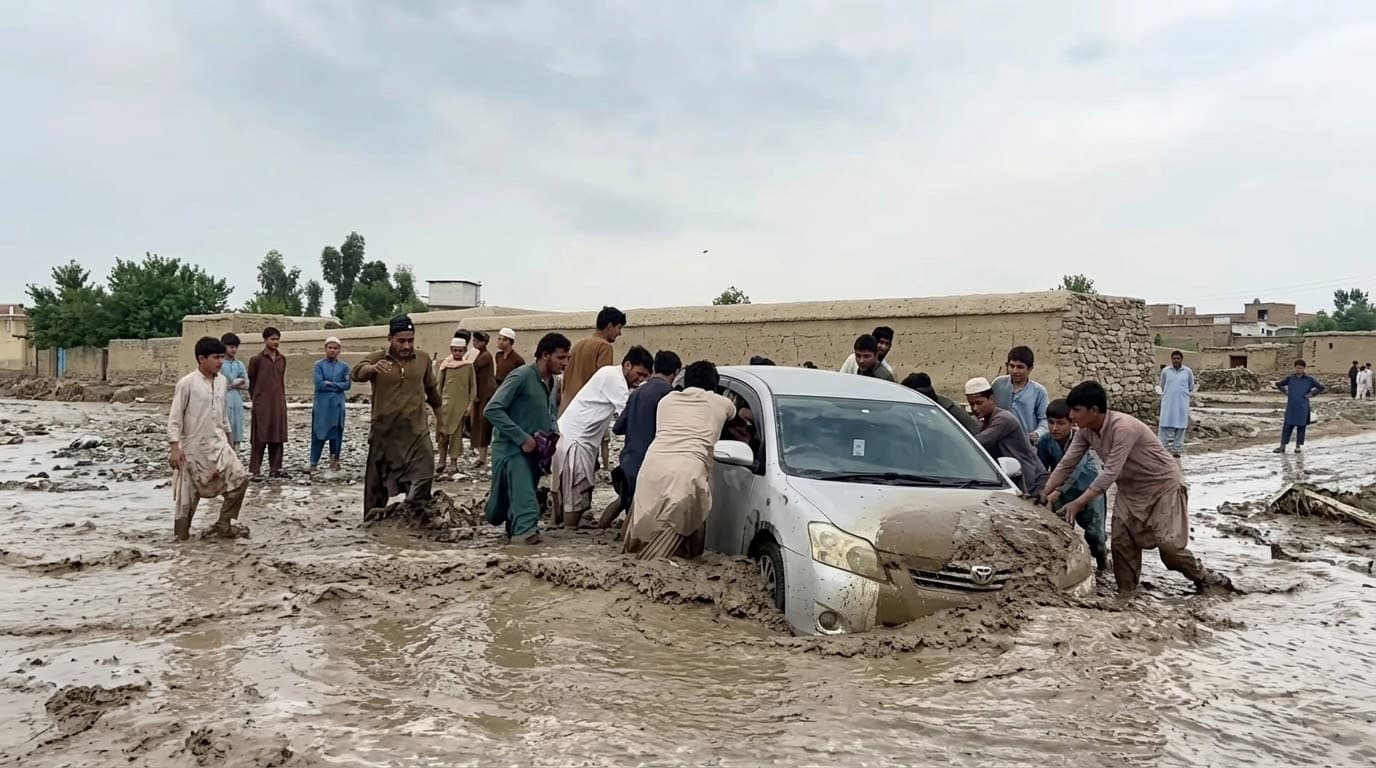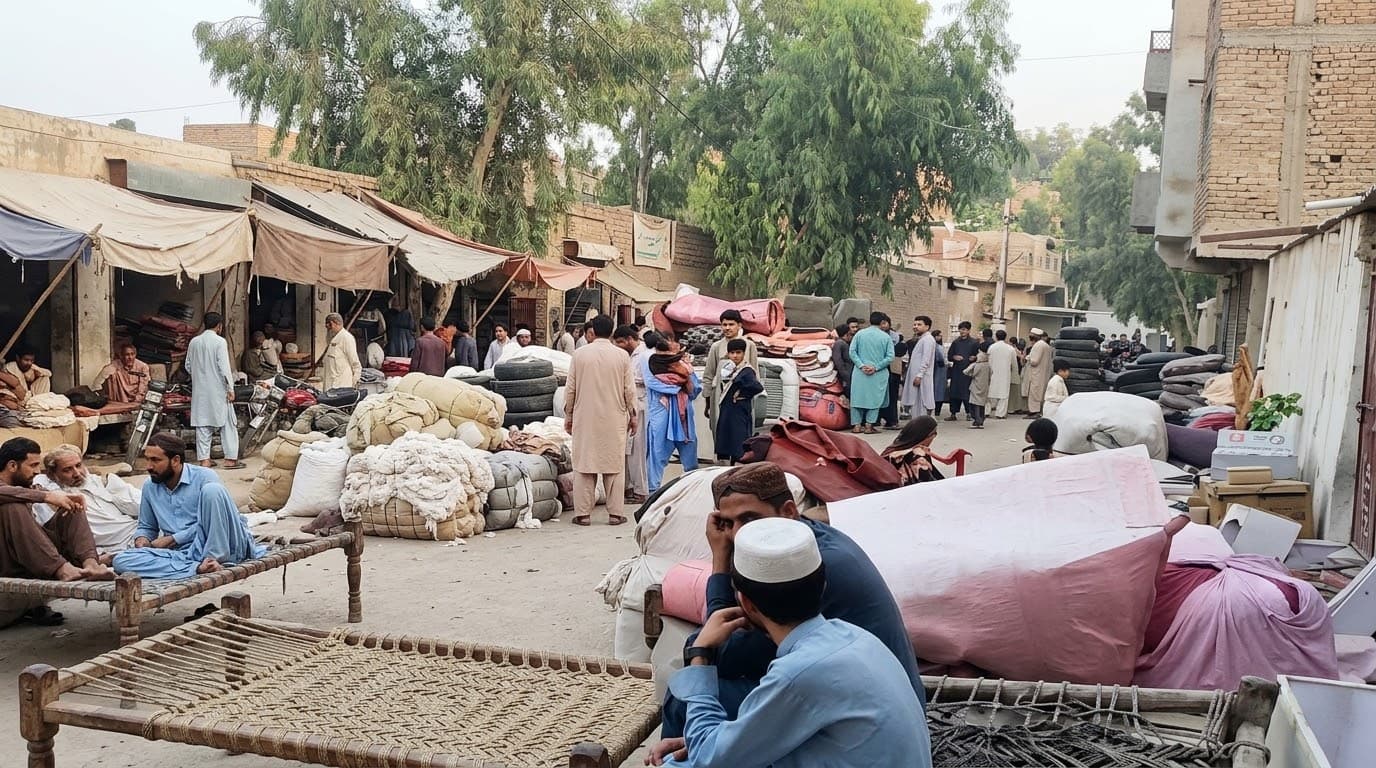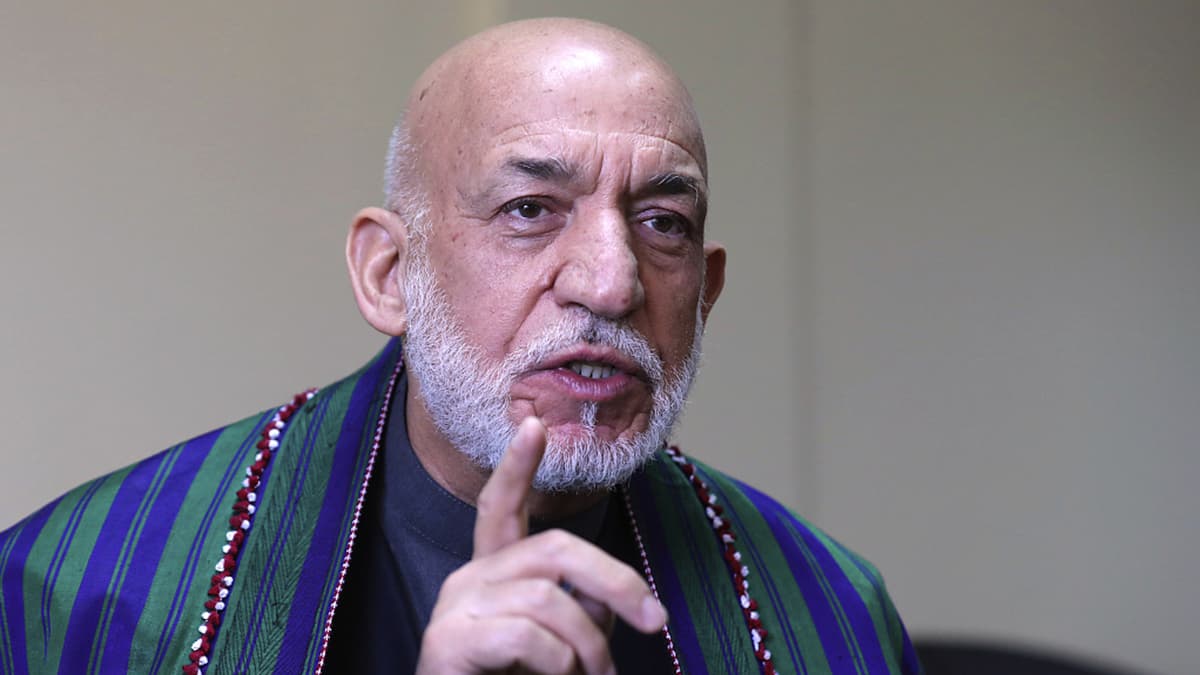

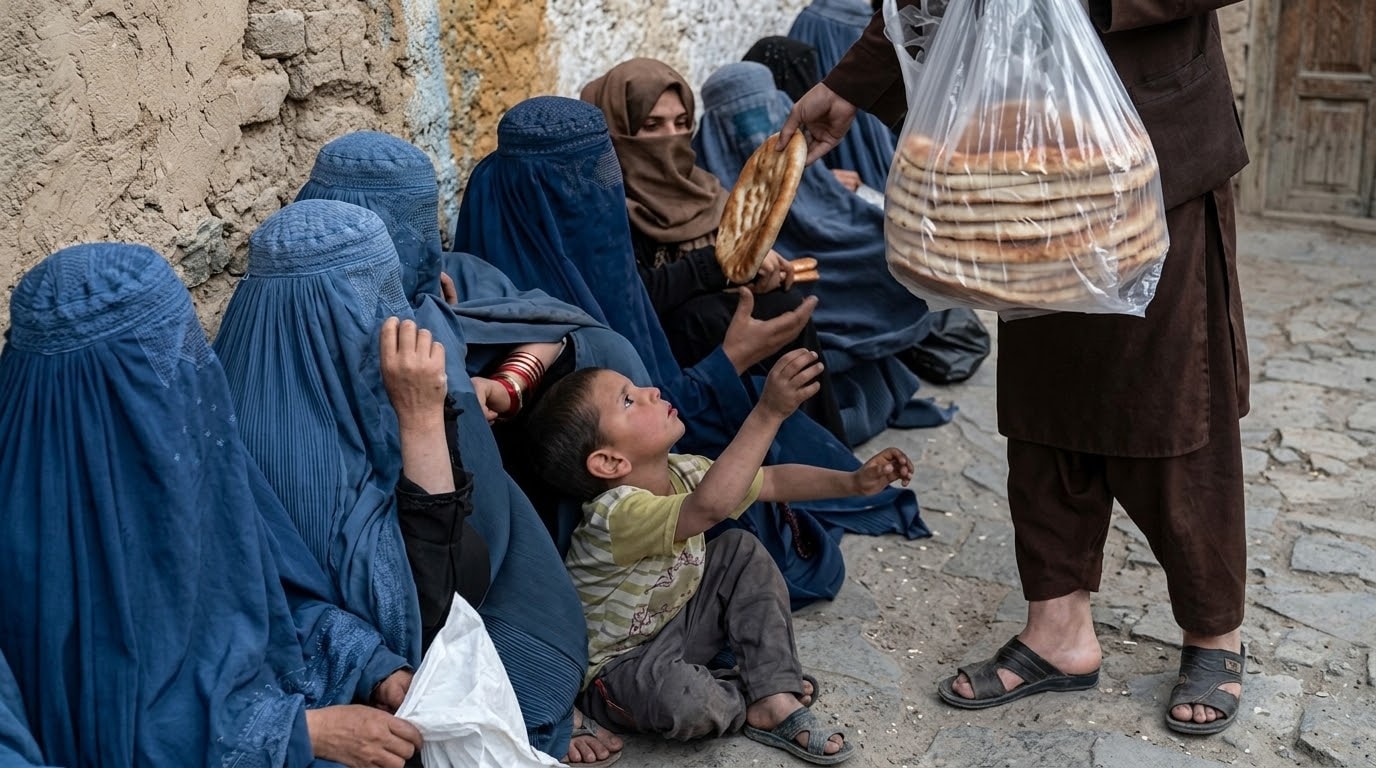
The Food and Agriculture Organization of the United Nations (FAO) and the World Food Programme (WFP) have warned that around 19 million people in Afghanistan will face severe food insecurity between November this year and April 2027, with conditions expected to worsen during the winter months.
In a joint statement issued on Thursday, 23 Mizan, the two agencies said the latest Integrated Food Security Phase Classification (IPC) assessment indicates a rise in the number of people facing acute food shortages, up from 17.4 million during the same period last year.
The assessment estimates that around five million people will face emergency levels of hunger, nearly double the figure projected for April to September 2026.
The agencies identified Badakhshan, Badghis, Daikundi, Ghor, Samangan, Sar-e-Pul and rural areas of Ghazni as among the regions expected to experience the most severe food shortages. They stressed the urgent need for food assistance and agricultural support to prevent loss of life and protect people’s livelihoods.
Richard Trenchard, FAO’s representative in Afghanistan, said early action was essential to prevent the humanitarian crisis from deepening. He called for investment in agricultural processing and local agribusinesses to connect farmers with markets and create employment opportunities.
Trenchard added that Afghan families need support and reliable sources of income to get through the winter and build resilience against economic hardship and climate change.
Meanwhile, John Aylieff, head of the WFP office in Afghanistan, said hunger and malnutrition were making life increasingly difficult for Afghan families.
Writer:Saeed Sameer