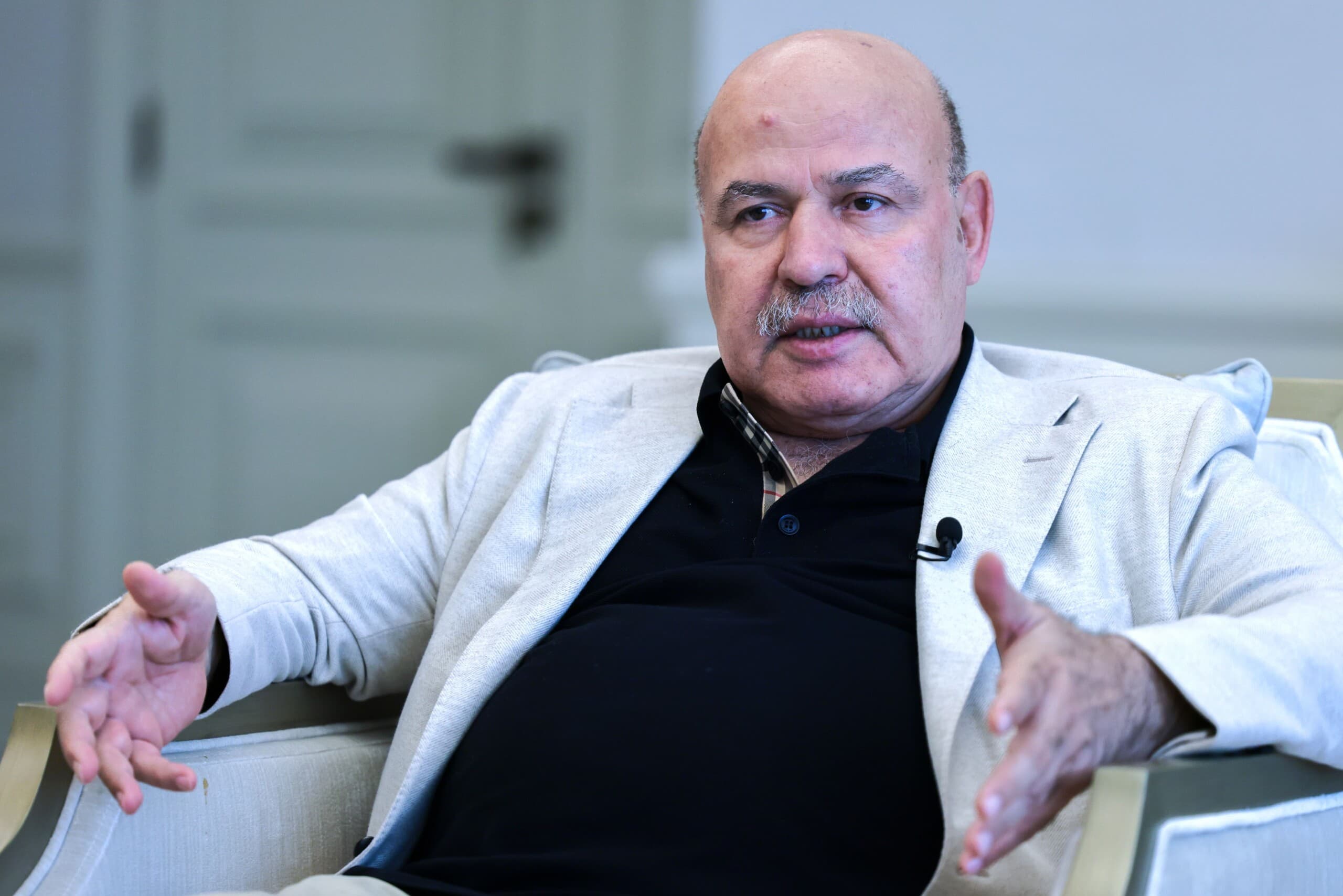

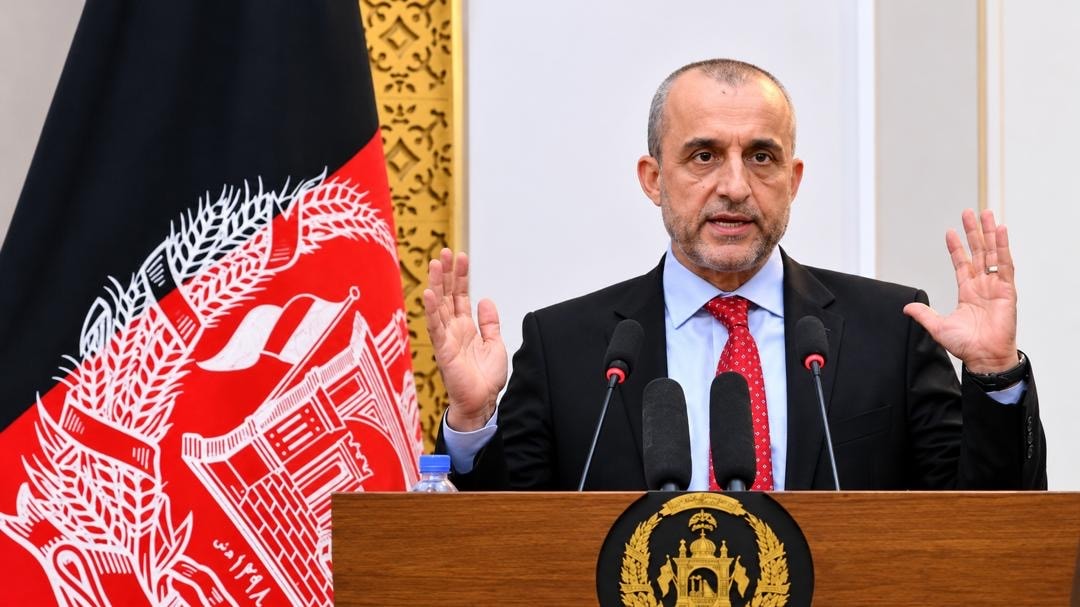
Amrullah Saleh, the former First Vice President of the Islamic Republic of Afghanistan, has said that the Taliban’s ban on poppy cultivation has no basis in Islamic law, arguing that it was imposed as part of the Doha Agreement and the group’s commitments to the United States.
Saleh made these remarks on Thursday (14 Aqrab), in response to a two-day meeting held in Uzbekistan under the Doha Process to discuss counter-narcotics efforts. Representatives of the Taliban also attended the meeting.
He said that before signing the 2021 Doha Agreement, the Taliban had attempted to find Quranic justifications for poppy cultivation and drug trafficking. However, he argued that the group’s leadership now enforces the ban on these activities in accordance with its foreign commitments.
Referring to the Taliban’s apparent shift in position, Saleh questioned what difference existed between the religious rulings before 2021 and those that, following the signing of the Doha Agreement, prompted the group to change its policies.
He also criticized the Taliban’s financial sources, claiming that the weekly transfer of US dollars from Washington had influenced the group’s religious policies. Saleh questioned whether the Taliban had ever provided a clear explanation for what he described as their double standards.
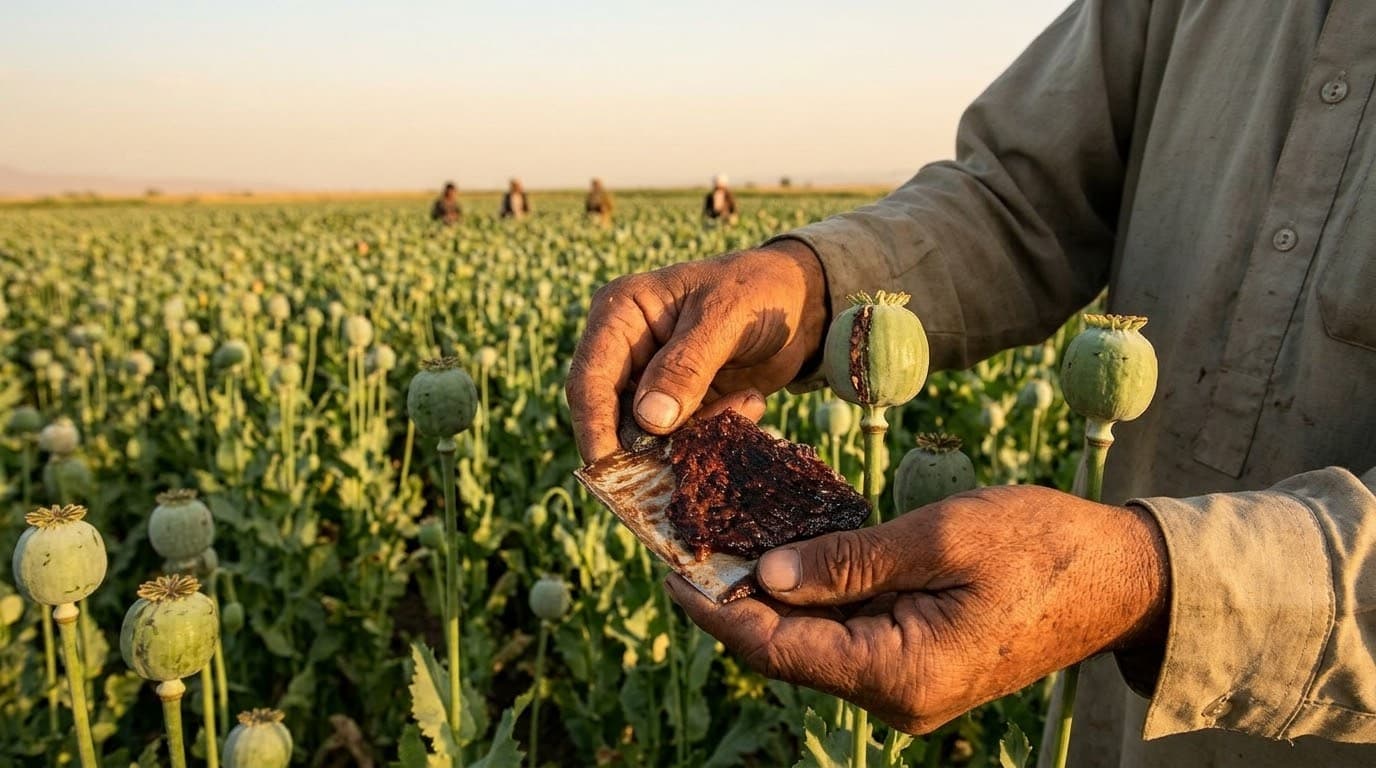
In 2022, following an order issued by the Taliban’s supreme leader, the group banned poppy cultivation across Afghanistan. It subsequently announced measures to prevent the production, trafficking, and consumption of narcotics.
However, Taliban opponents allege that before returning to power, the group financed part of its war efforts through drug trafficking and taxes imposed on the narcotics trade. They argue that the current ban on poppy cultivation is driven more by the Taliban’s foreign commitments than by Islamic principles.
Writer:Saeed Sameer