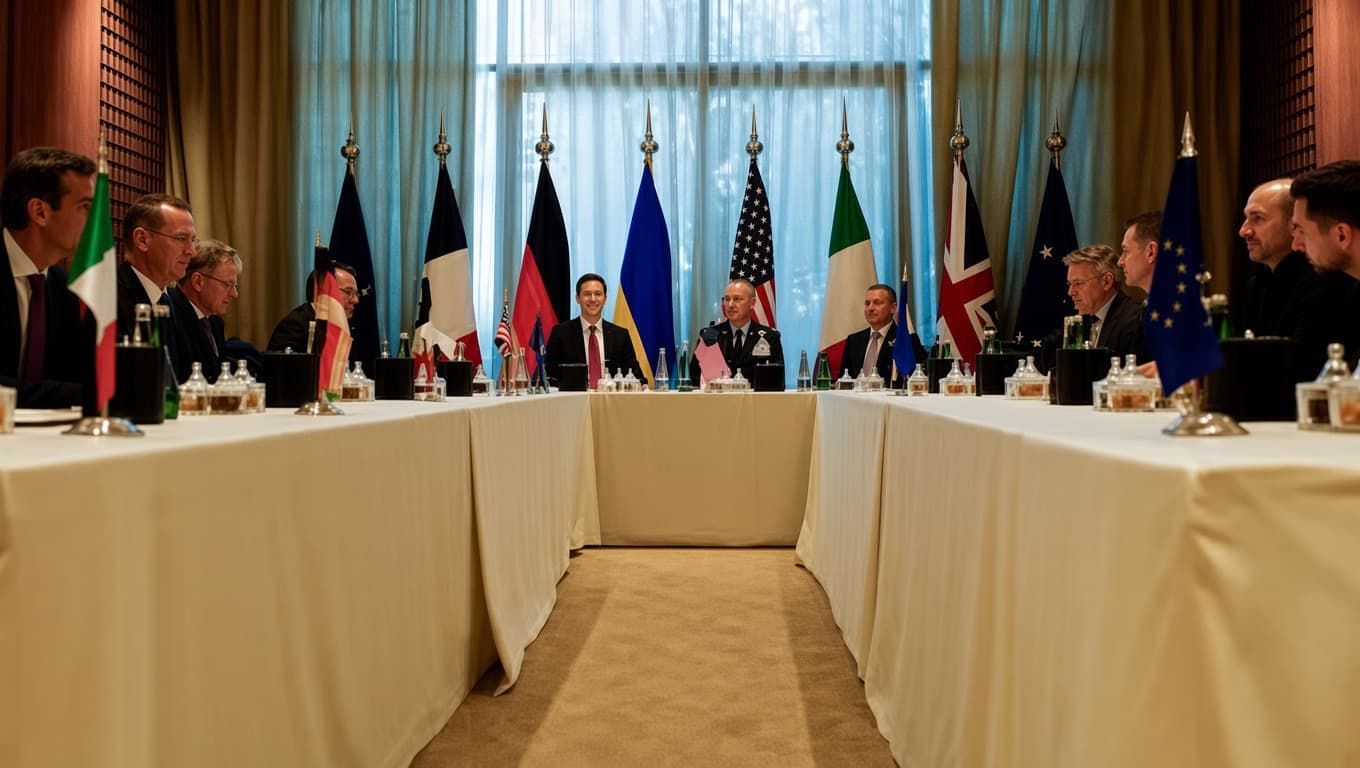

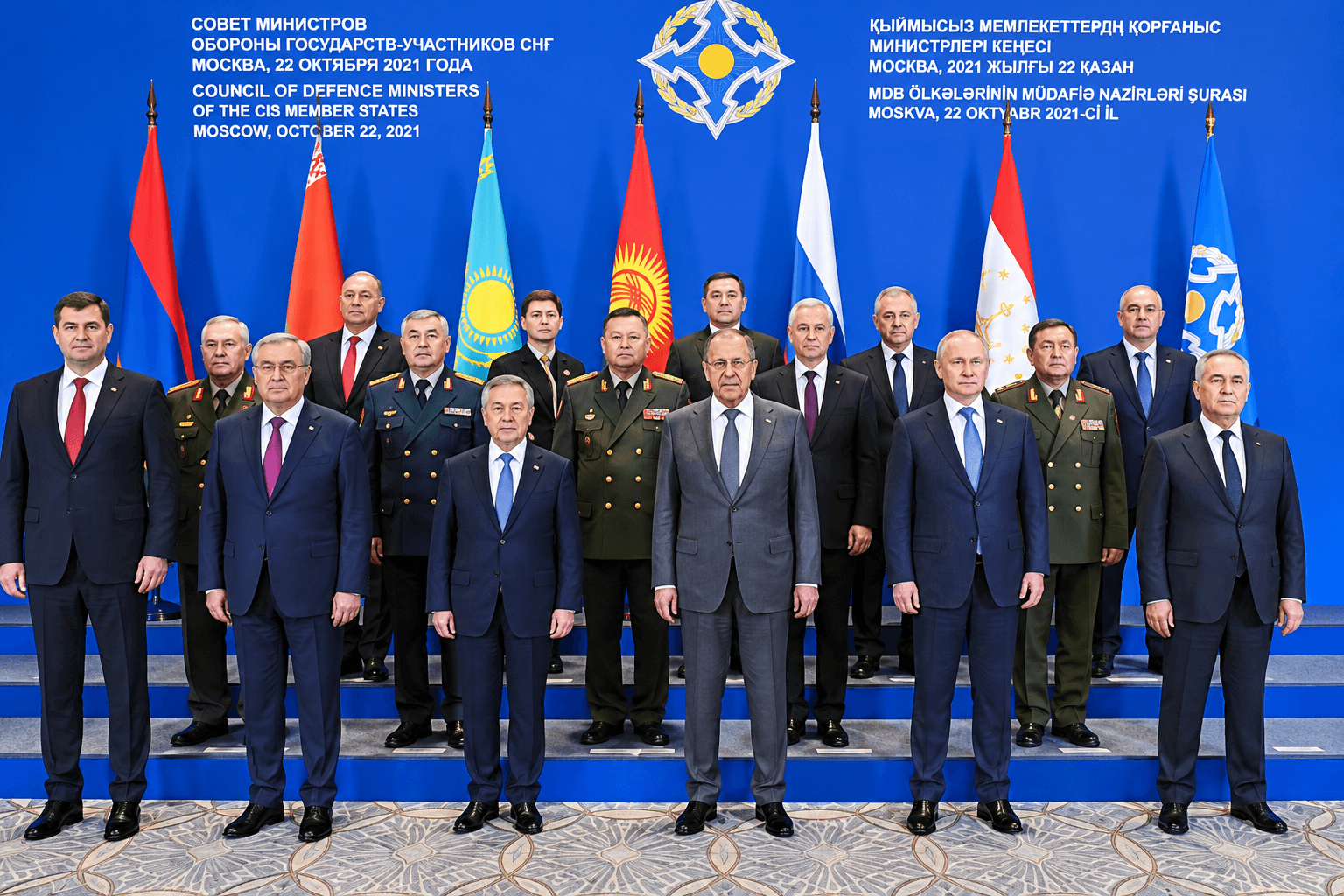
Foreign ministers, defence ministers and secretaries of the security councils of member states of the Collective Security Treaty Organisation (CSTO) have warned of the growing activities of terrorist groups, drug trafficking and the risk of escalating conflicts in the region during a joint meeting in Moscow.
According to a statement issued by Russia’s Ministry of Foreign Affairs, the meeting was held on Tuesday, 19 Aqrab (November 10), under the chairmanship of Russian Foreign Minister Sergei Lavrov. Participants discussed the security situation in member states and neighbouring regions, emphasising the need to strengthen collective defence capabilities to counter emerging threats.
Combating cybercrime, illegal migration and terrorist threats were among the key issues discussed at the meeting. Several documents were also submitted for approval by the Collective Security Council. These proposals aim to expand joint air forces, strengthen air defence systems and enhance biological security.
At the conclusion of the meeting, it was decided that the organisation’s next meeting of foreign ministers would be held in the first half of next year in Tajikistan.
Tajikistan shares a border of more than 1,200 kilometres with Afghanistan, much of which runs through mountainous and difficult-to-access terrain along the Panj River. The CSTO has repeatedly expressed concern over the activities of terrorist and extremist groups in northern Afghanistan, identifying the Islamic State Khorasan Province (ISKP) as a threat to the security of Central Asia and the organisation’s member states.
According to the report, member states are concerned that extremist activities, drug trafficking and terrorist threats could spill over from Afghan territory into their countries. Consequently, strengthening border controls has become a priority in their security strategies.
In this context, the organisation has launched a joint five-year programme to strengthen security along the Afghanistan–Tajikistan border. Under the programme, Russia, Kazakhstan, Belarus and Kyrgyzstan are expected to provide Tajikistan with weapons, military equipment and technical border-protection resources by the end of the current calendar year.
Writer:Roya Stanikzai