

The Taliban’s “Police law” (Shurta law) consists of five chapters and 53 articles, with the group’s Ministry of Interior designated as the authority responsible for its implementation. The law outlines the duties and powers of the “Shurta,” or police, the responsibilities of security officials, matters related to the courts, as well as a number of prohibitions.
Under the law, the duties of the “Shurta” include maintaining security and public order; securing airports and related facilities; preventing the possession and use of unauthorized weapons and ammunition; taking necessary measures to rescue people in the event of accidents and other emergencies; and protecting people’s property and assets.
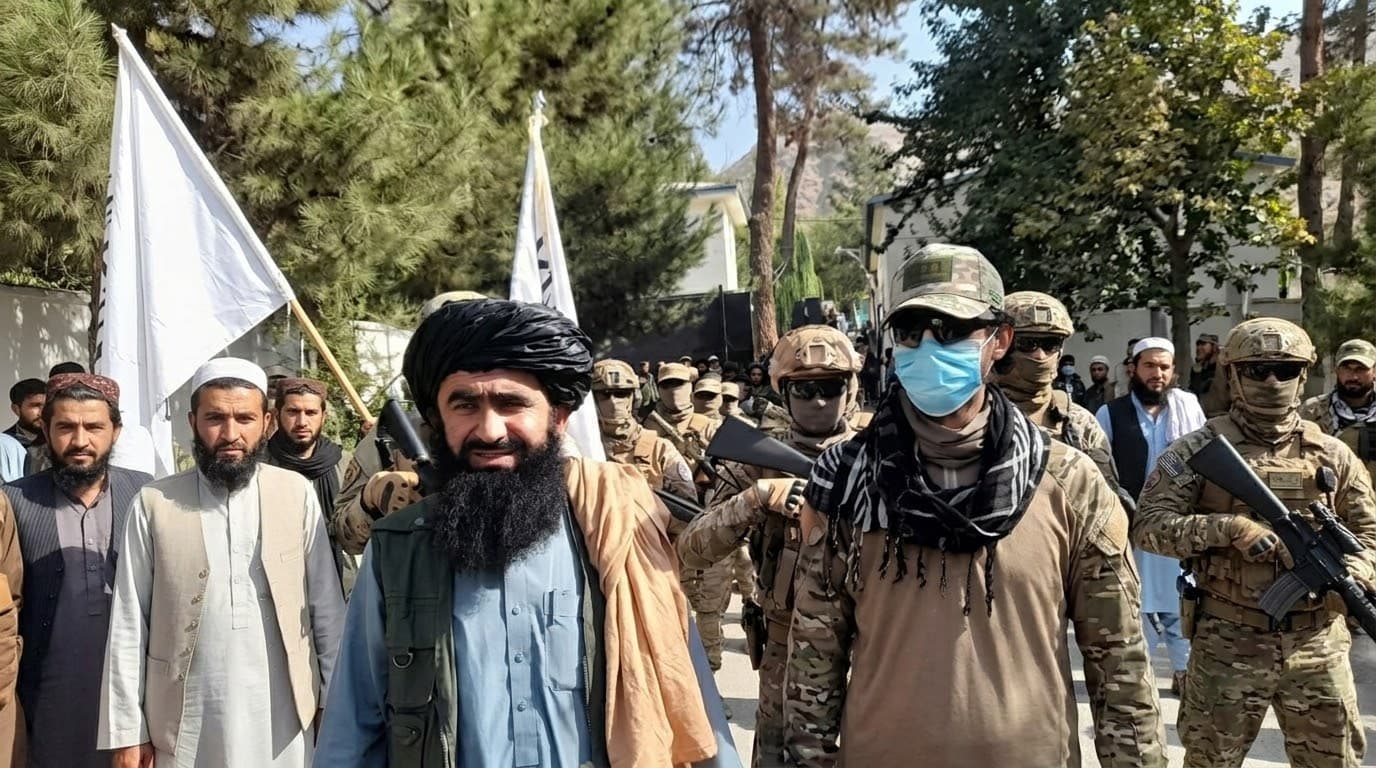
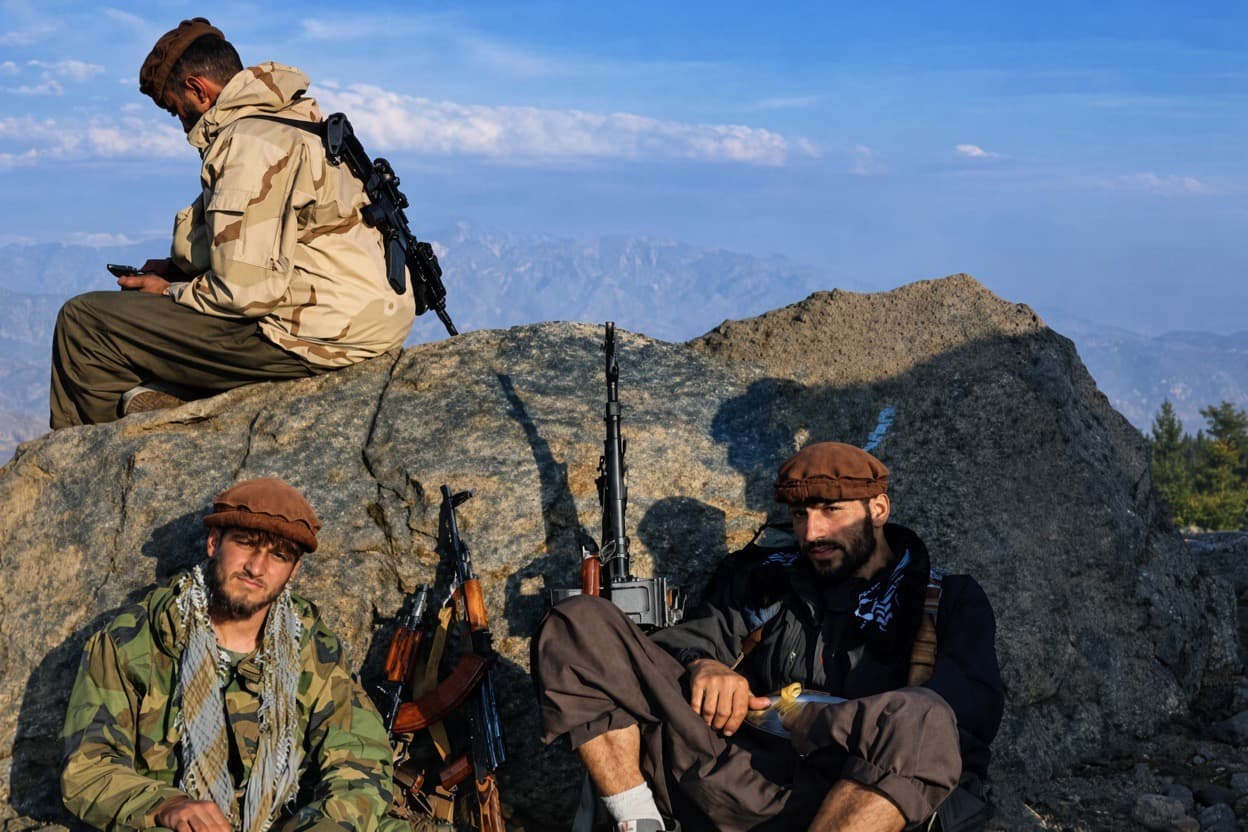
The Taliban use their fighters as police officers, or members of the “Shurta.” A number of these forces reportedly lack adequate formal training or are graduates of religious schools. In some provinces, the Taliban have also organized literacy courses for some of their fighters.
Under the “Shurta Law,” these forces are defined as individuals who cooperate with the “Sahib al-Shurta” on matters related to security, follow his orders, and enforce Taliban government directives concerning security and public order.
The law defines the “Sahib al-Shurta” as a security official appointed, by order of the Taliban leader, within the organizational structure of the Ministry of Interior to maintain security and order in the capital and the provinces. The position includes overseeing and directing security and public-order affairs within the official’s designated jurisdiction.
In the law’s definitions section, a “crime” is described as a violation involving any act that Taliban authorities have ordered to be carried out or prohibited in matters related to security and public order. This definition serves as the basis for action by the “Shurta” against conduct deemed criminal under the law.
The law also defines an “accused person” as someone who is not known for corruption, but against whom either a person regarded as just or two witnesses whose standing in terms of integrity and corruption is not established testify before the ruler regarding the person’s alleged corruption. The law refers to such an individual as an “accused person.”
The text also refers to a “suspect,” defined as a person to whom a crime is attributed on the basis of a prevailing suspicion. Under the provisions of the law, the “Shurta” may take action to arrest or pursue such a person. The law also sets out the limits and procedures governing these actions within the framework of its prescribed regulations.
Writer:Salima Aryaei