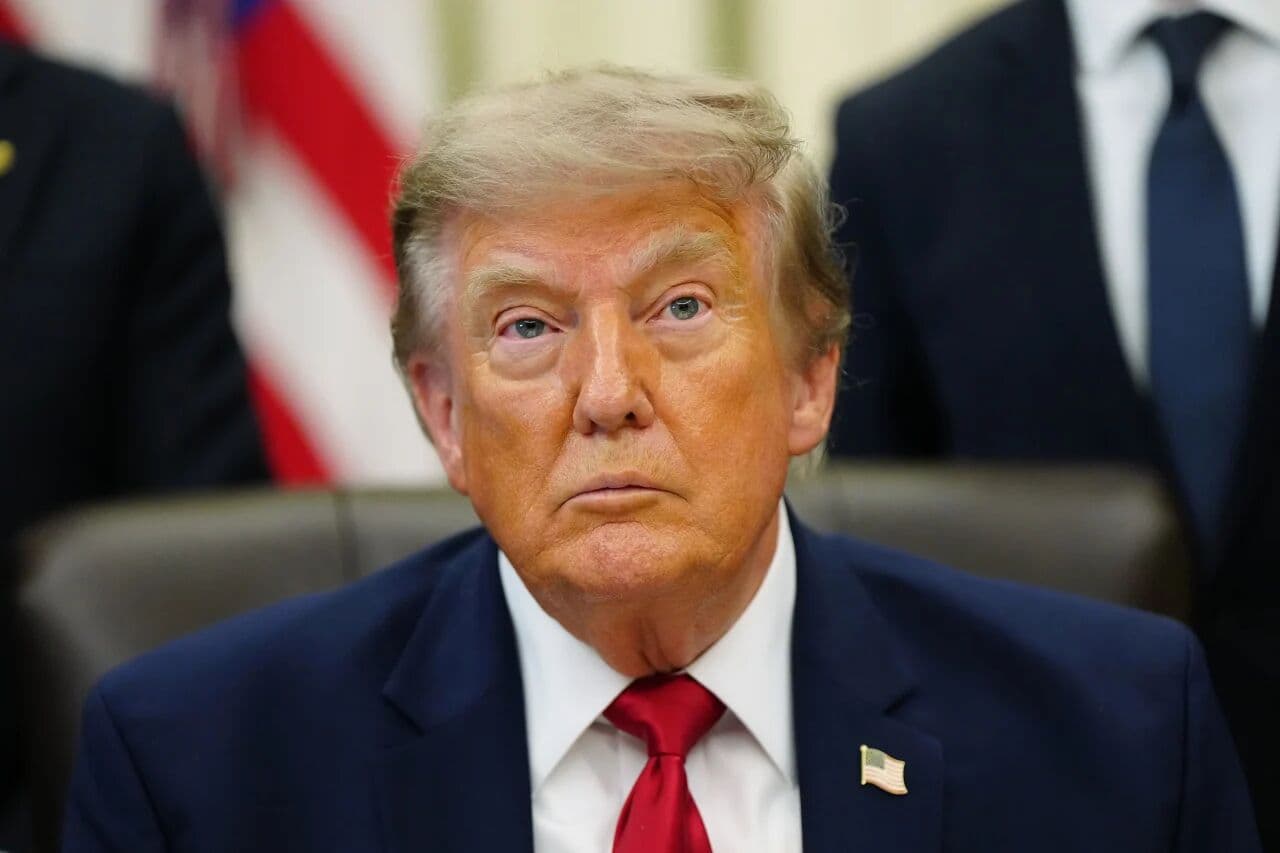

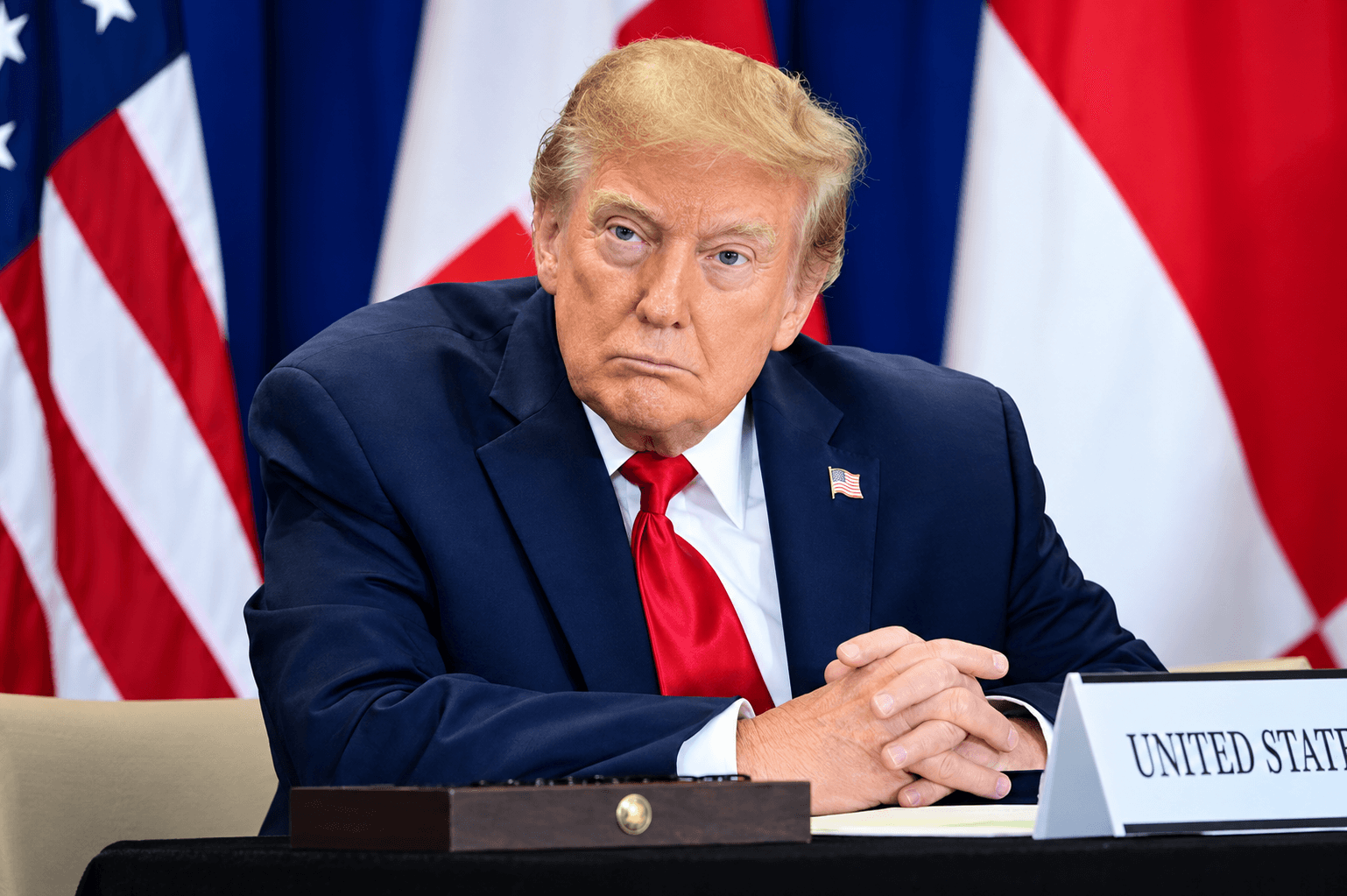
U.S. President Donald Trump says the final withdrawal of American forces from Iraq was carried out in an orderly manner and without any loss of life. However, he has described the process as significantly different from the withdrawal of U.S. forces from Afghanistan.
On Wednesday, September 30, Trump said on his Truth Social account that the withdrawal of U.S. forces from Iraq marked a “day of victory” for both the United States and Iraq. He said the troops had departed from the military base in Erbil.
Trump said that no U.S. military equipment was left behind in Iraq and that all American forces were withdrawn from the country without suffering any fatalities.
He described the start of the war in Iraq as the result of “very bad decisions” and said that he had provided commanders with the necessary equipment and had not allowed a temporary U.S. military presence to turn into a permanent one.
The U.S. president also compared the withdrawal from Iraq with the withdrawal of American forces from Afghanistan, saying that the departure from Iraq had been handled well and had produced positive results.
Trump also praised Iraqi Prime Minister Ali al-Zaidi, saying that he had been provided with the necessary assistance and support. He added that he had the authority to decide whether U.S. forces should remain or withdraw, but ultimately concluded that the time had come for American troops to return home.
The withdrawal of U.S. forces from Iraq comes approximately five years after the American military withdrawal from Afghanistan. Trump and several officials in his administration have repeatedly criticized the manner in which U.S. forces withdrew from Afghanistan.
Trump has previously described the U.S. withdrawal from Afghanistan as one of the “greatest disasters” in American history and claimed that U.S. forces were left in a difficult situation during the withdrawal, without adequate security preparations.
Meanwhile, Trump’s critics have characterized the U.S. withdrawal from Afghanistan as premature and lacking sufficient security preparations. Supporters of the decision, however, argue that maintaining a military presence in Afghanistan could have resulted in greater human and financial costs.
Writer:Saeed Sameer