
As the Taliban marks the fifth anniversary of its return to power, a new investigation has documented at least 231 cases of women being killed in Afghanistan since the group seized control of the country.
The Guardian reported in an investigative article, produced in collaboration with female journalists from The Times and published on Friday, August 7, that the cases were documented across 10 Afghan provinces and date back to the Taliban’s return to power in August 2021.
According to the investigation, 53 of the 231 documented cases were recorded as suicides. However, in a number of these cases, family members and witnesses said the victims had died as a result of domestic violence.
The highest numbers of documented cases were recorded in Jawzjan, with 36 cases, followed by Herat with 32, Badakhshan with 28, and Ghazni with 26. According to the report, the victims ranged in age from five to 65.
The investigation found that 165 of the victims were housewives with no independent source of income. The report said this limited their ability to confront domestic violence and pursue legal action in cases of abuse.
The report also found that only 58 arrests were recorded among the cases examined. In some of these cases, suspects were released after a short period.
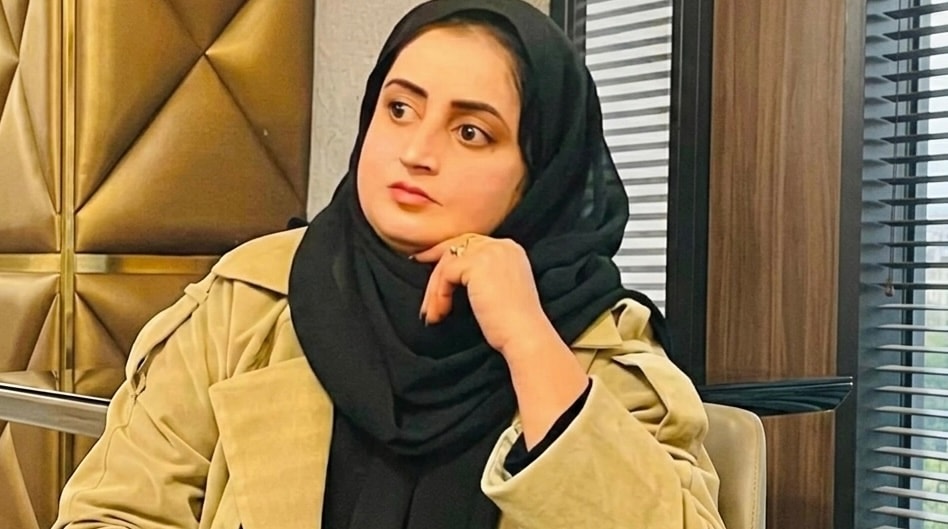
The Guardian examined the case of Lisa Shams, a 33-year-old woman, as part of the investigation. According to a forensic report, the probable cause of her death was identified as ingestion of rat poison. However, Lisa’s father considers her death a murder and said he had seen signs of beating on her face and body. He accused Lisa’s husband of killing her.
The Guardian also examined the Taliban’s new penal code, reporting that a husband who beats his wife even when the assault results in visible injuries may face a maximum sentence of 15 days in prison.
By contrast, according to the report, a woman who goes to her family’s home without her husband’s permission, and whose family refuses to return her when her husband demands it, could face up to three months in prison along with members of her family.
The report said such regulations could further discourage women experiencing violence from seeking help or shelter from domestic abuse.
During the investigation, female journalists from The Times compiled 174 cases from reports by local media and directly documented 57 additional cases.
The Guardian said no comprehensive official statistics on the killing of women in Afghanistan are published. Following the Taliban’s return to power, the Ministry of Women’s Affairs, the specialized prosecutor’s office for cases of violence against women, and the network of women’s shelters were dissolved, while around 250 female judges were also removed from their positions.
The Guardian emphasized that the 231 documented cases do not represent the total number of women killed in Afghanistan, but rather only those cases that the journalists from the Guardian and The Times were able to document under difficult security conditions.
Writer:Salima Aryaei