
The Tel Aviv-based newspaper Israel Hayom has published a report describing what it called a “complex Mossad operation to penetrate Iran and weaken the Islamic Republic.” The report, citing sources within Mossad, including a former senior official of the organization, contains unusually detailed information about Mossad’s structure and activities.
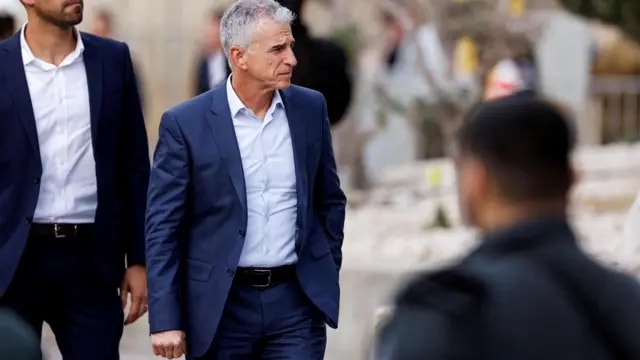
According to the report, after David Barnea became head of Mossad in June 2021, he introduced extensive changes to the organization’s structure and methods of operation. One of the most significant changes was the restructuring of Mossad’s human intelligence unit, known as “Tzomet,” which is responsible for recruiting, training, and directing the agency’s operational agents.
As part of this restructuring, several new branches were established within Mossad. One of these branches was tasked with recruiting and training non-Israeli operatives—an initiative that, according to Israel Hayom, was unprecedented within the organization.
The report states that prior to this, non-Israelis had worked with Mossad only as intelligence sources or informants. Under the new structure, however, they were employed as operational agents. Israel Hayom claims that some of these operatives were active inside Iran and that some played a role in disrupting Iran’s air defense systems at the beginning of the 12-day war.
Another section of the report says that a new branch was also created for influence operations and media activities. Its responsibilities reportedly include collecting information from open sources, analyzing public opinion, monitoring media, strategically disseminating information, and operating social media accounts through fake identities.
Israel Hayom also cited the publication of photographs showing Rostam Ghasemi, Iran’s former Minister of Roads and Urban Development, alongside an unveiled woman in 2022 as an example of the branch’s activities. The images, which surfaced during the “Woman, Life, Freedom” protests, attracted widespread attention and eventually led to his resignation.
At the time, it was reported that the photographs had been taken during a trip to Malaysia and that the woman in the images was Mr. Ghasemi’s wife. However, the former Mossad official interviewed by Israel Hayom claimed that under the new strategy, the organization decided to release some confidential economic information related to Iran as well—information that had previously been kept secret to protect intelligence sources.
The report further states that Israel’s objective during the 12-day war was not the overthrow of the Islamic Republic. However, following the conflict, Mossad reportedly concluded that the Iranian government had become vulnerable and that a combination of military operations, intelligence infiltration, and influence campaigns could create conditions for weakening or potentially toppling it.
One Mossad source quoted by Israel Hayom claimed that Israel had planned its next military operation against Iran for May 2026, but that protests related to rising currency exchange rates altered those plans.
The source also stated that Mossad’s focus had been on dissatisfied young people and supporters of Crown Prince Reza Pahlavi. According to the source, Mossad would have preferred the protests and military operations to occur at a different time because it believed that public fear of the government remained high.
Another section of the report discusses efforts to arm and train certain opposition groups, including Kurdish groups in Iran and neighboring countries. It also mentions creating and strengthening a political alternative, widening the gap between the government and the public, and conducting certain operations inside Iran as part of the reported strategy.
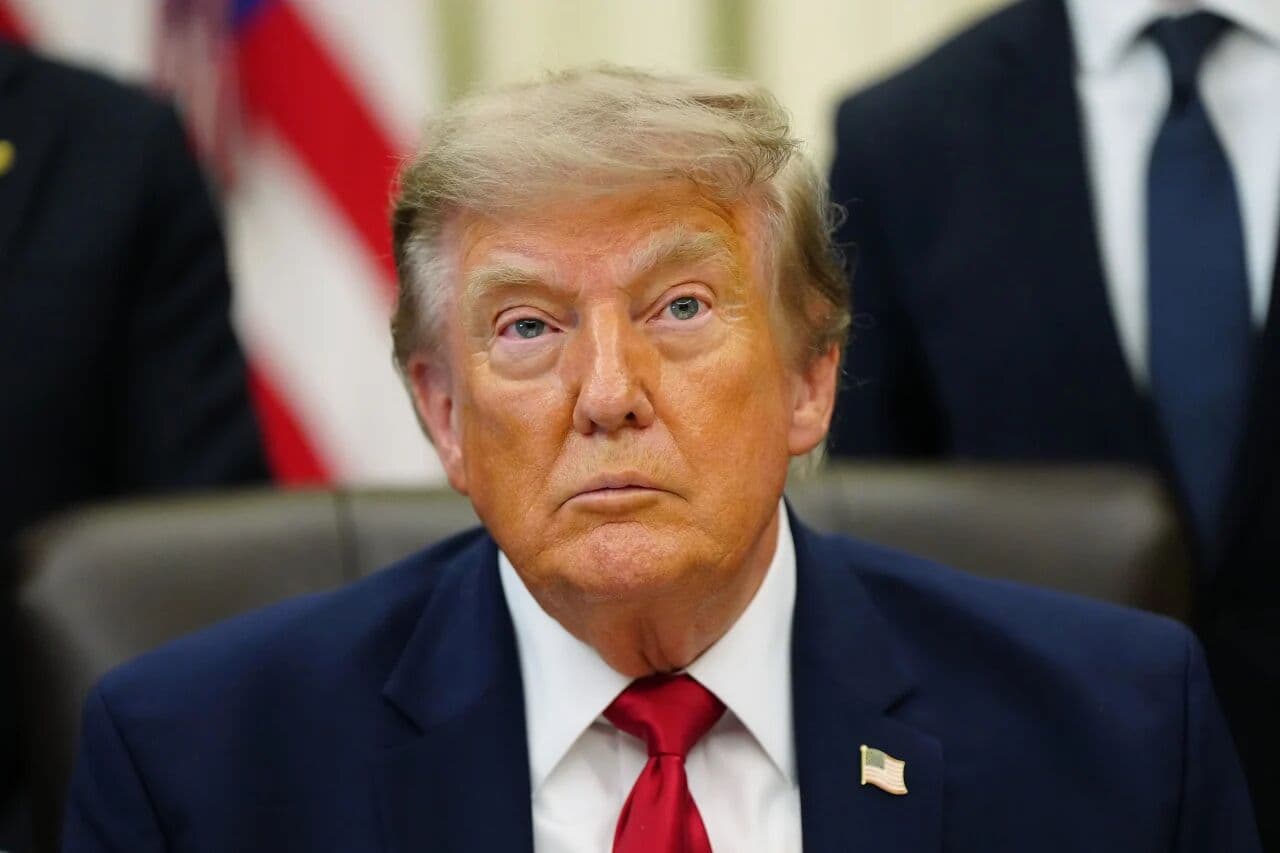
Israel Hayom further reported that the Central Intelligence Agency (CIA) shared Mossad’s assessment of the situation in Iran and played a role in persuading U.S. President Donald Trump.
However, the former head of Mossad’s influence operations branch told the newspaper that it was unlikely the United States had been guaranteed that the Islamic Republic would collapse immediately following any potential strikes.
The report concludes by stating that David Barnea believes that if the United States does not grant significant economic concessions to the Islamic Republic during negotiations, the Iranian government could face a serious crisis by the end of 2026.
Writer:Salima Aryaei