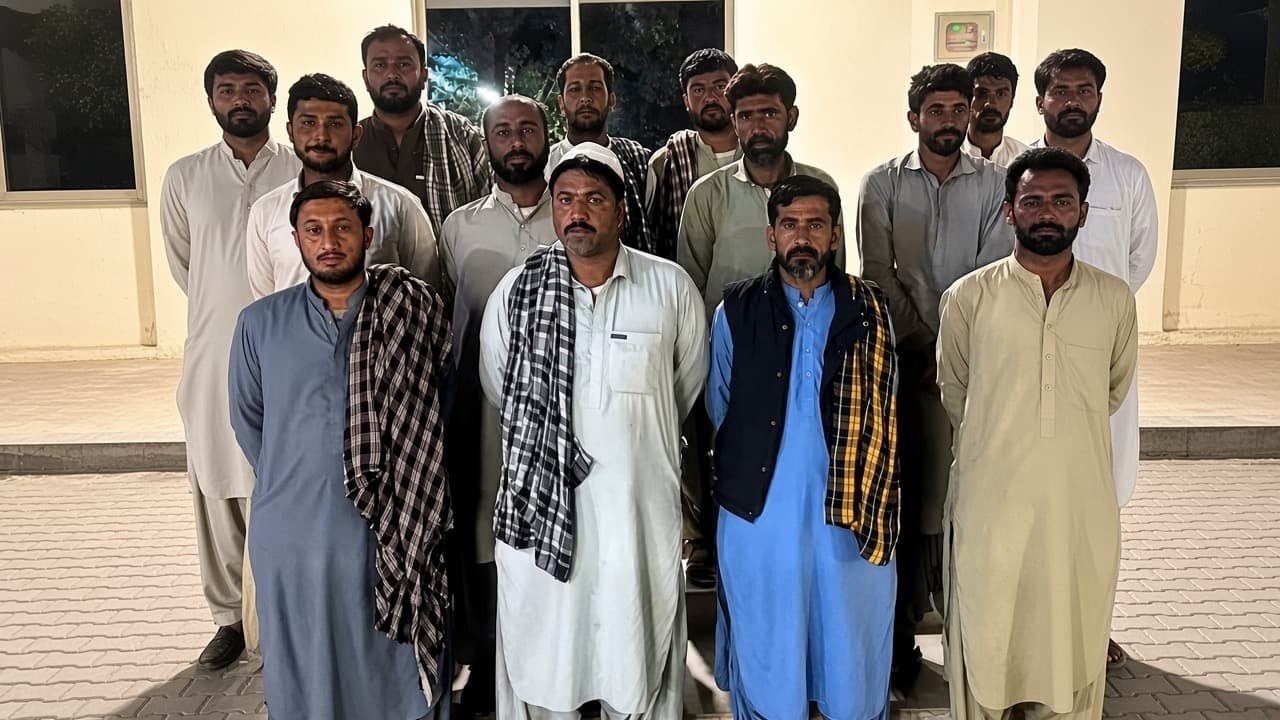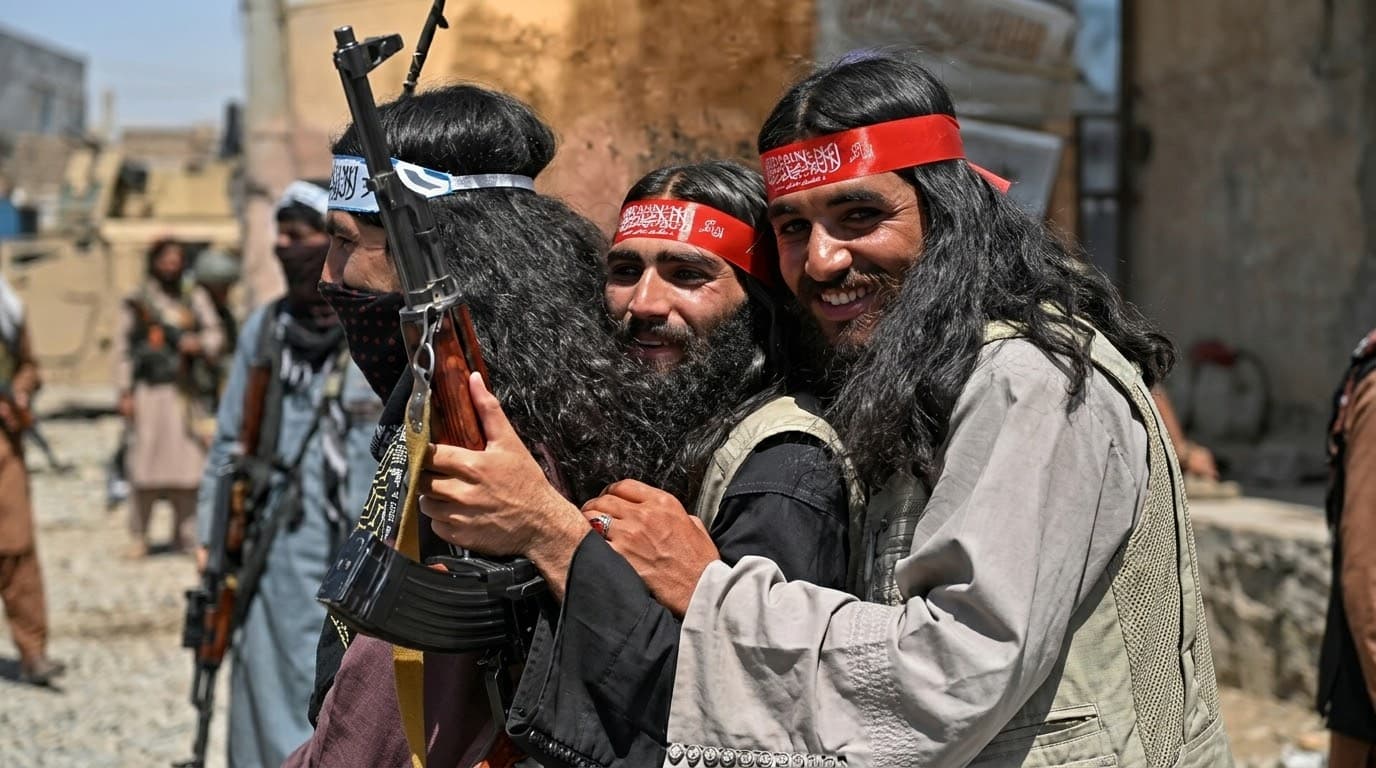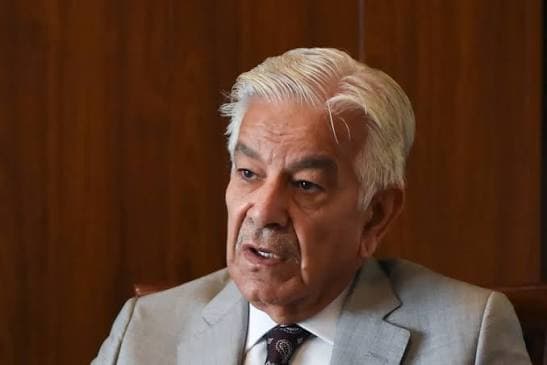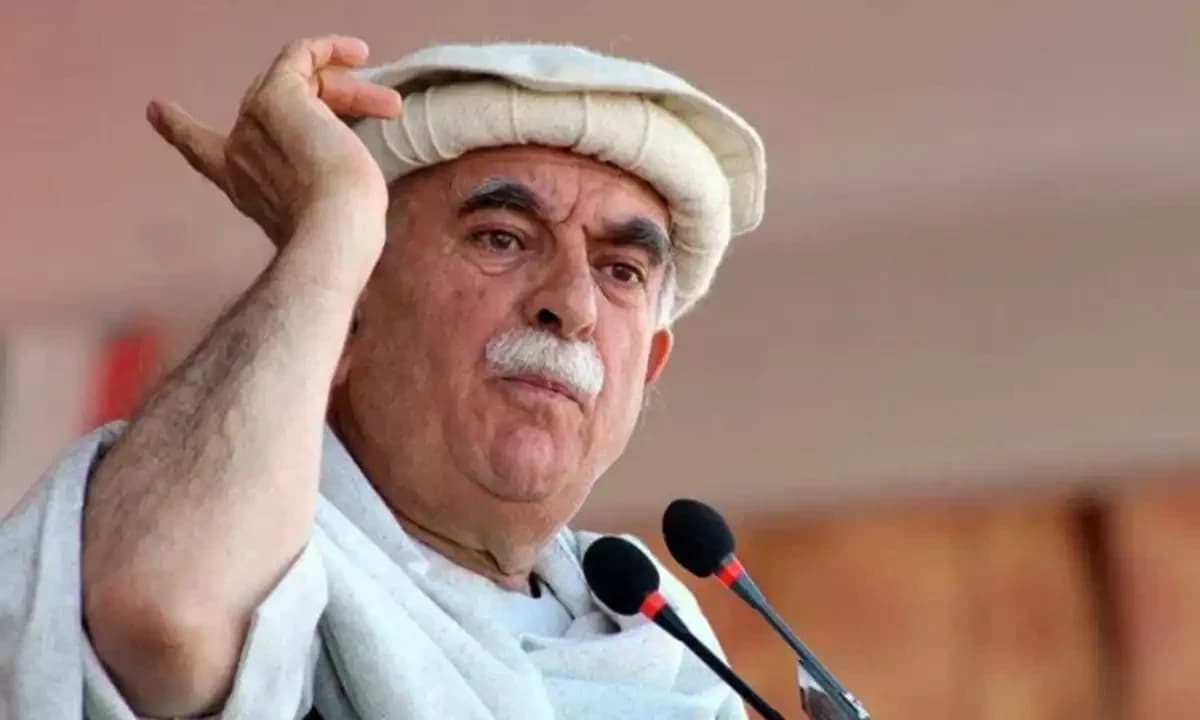


The Belgian Ministry of Foreign Affairs has announced that it has received the list of members of a Taliban delegation scheduled to travel to Brussels and has begun the necessary security screening process for issuing visas to them. The delegation is expected to travel to Brussels for talks with European Union officials on the issue of the return of Afghan migrants.
Maxime Prévot, Belgium’s Minister of Foreign Affairs, said on Thursday that the European Commission had provided the Belgian government with the identities of the delegation members, allowing the country’s security agencies to carry out the required assessments before making a decision on visa issuance.
The decision to host a Taliban delegation in Brussels has faced widespread political and human rights criticism. Despite growing objections, the European Union has not withdrawn its plan to hold the talks.
In recent months, many European countries have faced political and public pressure to deport rejected asylum seekers and individuals with criminal records, and they are seeking ways to implement such measures.
The Belgian foreign minister had previously stressed that the country does not normally issue visas to Taliban representatives, but that exceptions may be considered in specific cases due to Brussels hosting various international and European institutions.
Meanwhile, Magnus Brunner, the European Commissioner for Home Affairs, described the visa process for members of the Taliban delegation as “complex,” stating that although the EU does not recognize the Taliban government, it is compelled to engage in technical-level dialogue on migration-related issues.
EU officials have emphasized that these contacts are strictly technical in nature and do not imply recognition of the Taliban government.
However, the invitation of Taliban representatives to Brussels has sparked a wave of criticism from several European politicians, parties, and human rights organizations. Critics argue that such a move could amount to political legitimization of the Taliban and would conflict with the European Union’s human rights values.
Reports indicate that the decision was influenced by requests from nearly 20 EU member states seeking stricter migration policies and mechanisms for returning Afghan asylum seekers.
Previously, countries such as Germany and Austria have also taken steps toward deporting certain Afghan asylum seekers or establishing limited contacts with Taliban representatives.
On the other hand, international aid organizations, including the International Rescue Committee, have warned that forced returns to Afghanistan could put many lives at risk, as the country continues to face a humanitarian crisis, widespread poverty, and food insecurity.
Human rights organizations have also expressed concern about the potential consequences of these talks, warning that information sharing in the deportation process could jeopardize the safety of some Afghan asylum seekers.
Writer:Salima Aryaei