
On the occasion of June 10, World Handicrafts Day, a number of women artisans in Afghanistan say that restrictions imposed by the Taliban have led to a decline in production, a shrinking market, and a broader downturn in the handicrafts sector.
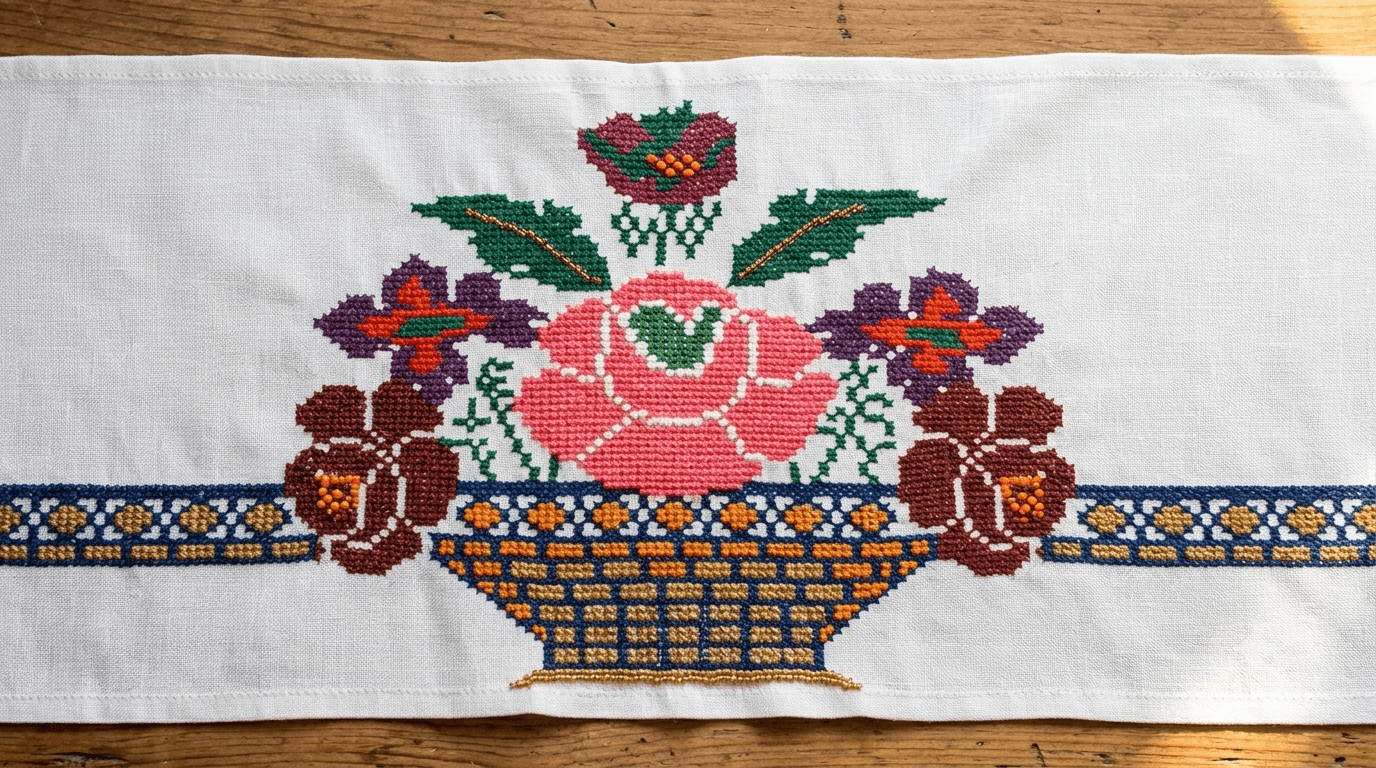
Afghanistan is among the countries where handicrafts play a significant role in cultural identity and the local economy. Carpet weaving, embroidery (khamak-dozi), kilim weaving, felt-making, pottery, and other traditional crafts have long been an integral part of life in various provinces and a source of income for families, particularly women.
However, some women working in this sector told media outlets that, following recent political developments, their employment opportunities have been significantly restricted, and access to both domestic and international markets has declined.
Samiya Arefi, one of the women artisans, says that gender-based restrictions and the current conditions have forced many women either to close their workshops or limit their activities to their homes.
She further notes that, in some cases, women are only permitted to attend exhibitions if accompanied by a “mahram,” a requirement that makes the promotion and sale of their products more difficult.
Other women artisans also report that limited access to raw materials, reduced opportunities to showcase and sell their products, and restrictions on mobility have severely affected the handicrafts market.
Despite these challenges, women emphasize the importance of handicrafts in preserving cultural identity and generating income, noting that with proper support, the sector could become a major source of employment and export revenue.
Cultural experts also consider handicrafts a living heritage of Afghanistan, arguing that their transmission from one generation to the next helps preserve cultural diversity and social identity.
However, ongoing restrictions and the lack of structural support have left the future of this sector uncertain, even though handicrafts remain one of the country’s key cultural and economic assets.
Writer:Salima Aryaei