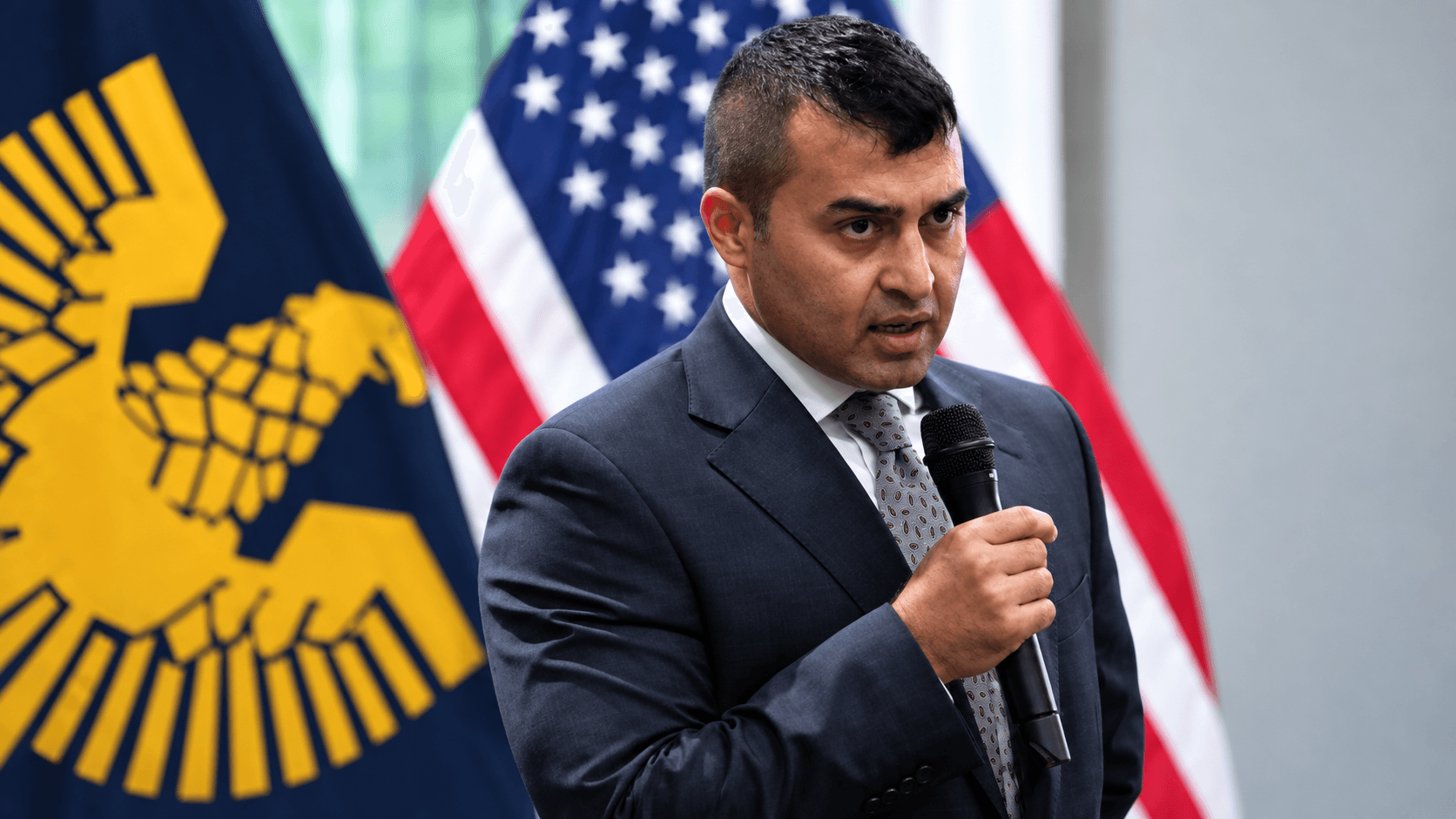


Fazl Ahmad Manawi, the former Minister of Justice of Afghanistan, says the public disclosure by the International Criminal Court (ICC) of arrest warrants for four senior Taliban officials demonstrates that the Afghanistan situation continues to be pursued by the Court and that individuals’ legal accountability does not expire with the passage of time.
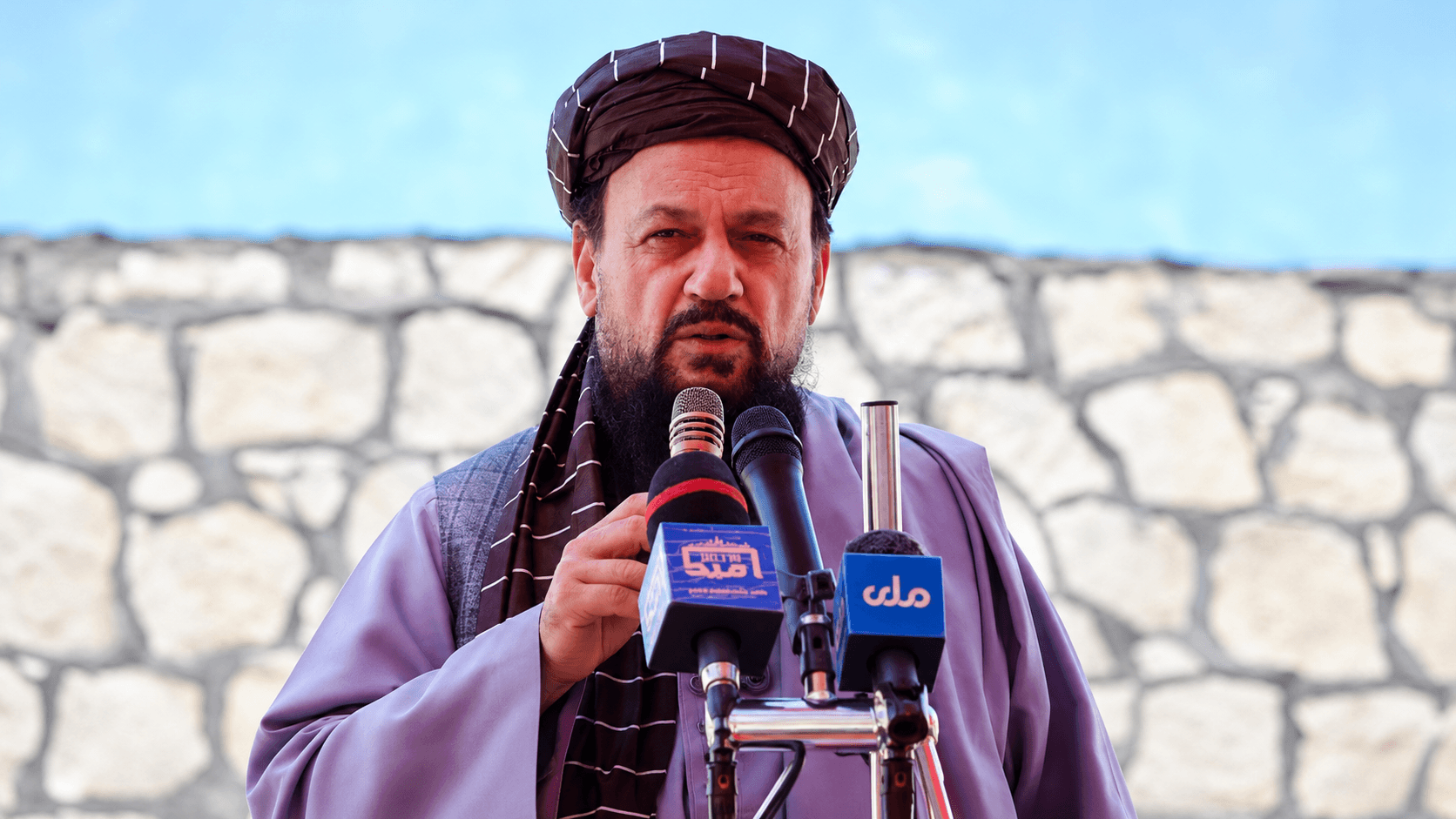
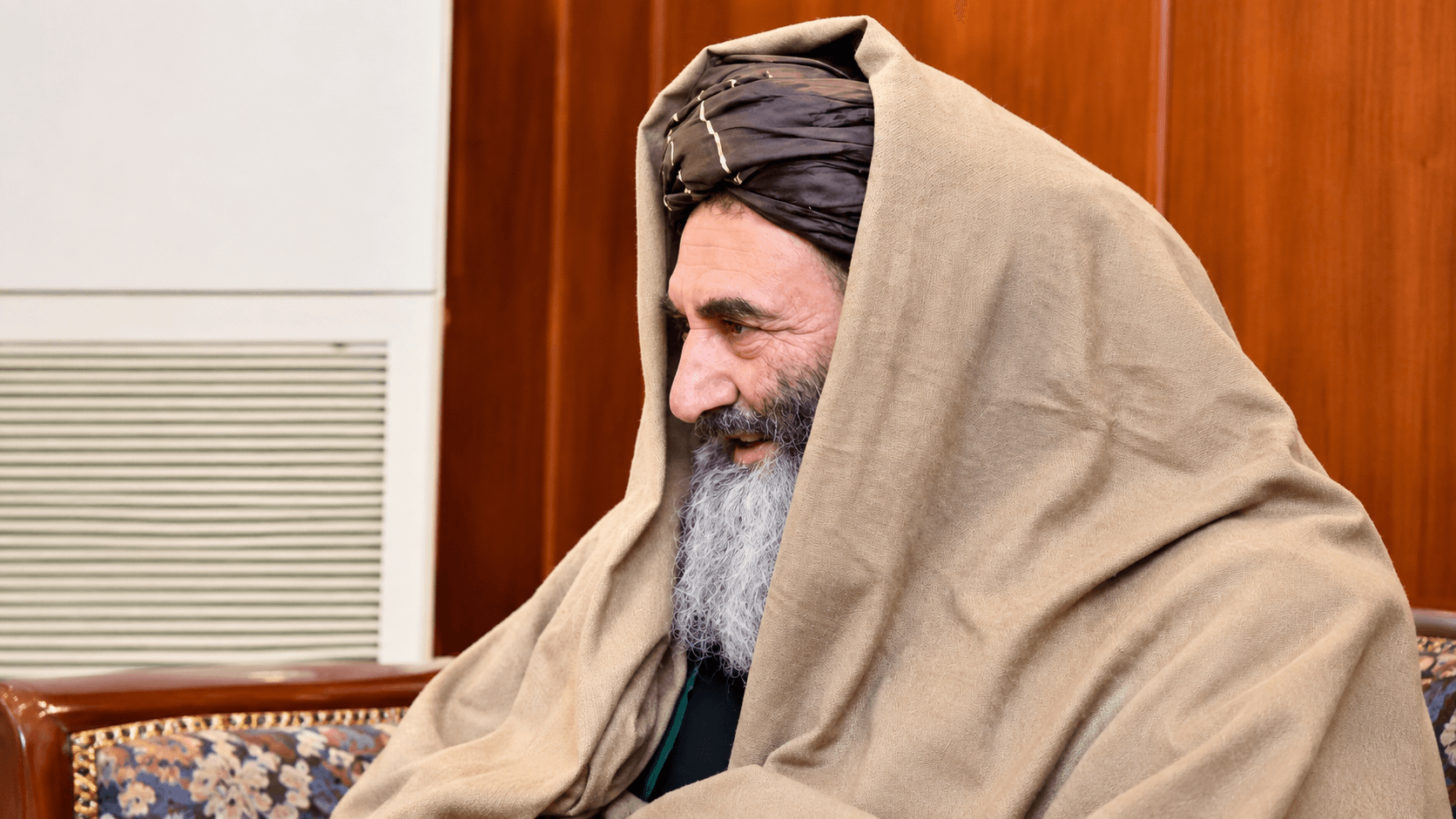
On Monday, October 5, the International Criminal Court announced that it had lifted the confidentiality of arrest warrants issued in 2025 for Hibatullah Akhundzada, Abdul Hakim Haqqani, Habibullah Agha, and Neda Mohammad Nadim. The warrants for Akhundzada and Haqqani were issued on July 8, while those for Habibullah Agha and Neda Mohammad Nadim were issued on September 9, 2025.
The Court’s judges said there are reasonable grounds to believe that the four Taliban officials bear criminal responsibility in connection with crimes against humanity, including persecution and other forms of persecution on gender grounds. According to the Court’s findings, the alleged crimes target women and girls, individuals who do not conform to the Taliban’s policies concerning gender and gender identity or expression, and those perceived as “allies of women and girls.”
In a message posted on the social media platform X, Manawi welcomed the Court’s latest action, saying that the judicial process concerning Afghanistan has not come to a halt. He added that, on November 21, 2022, he and several others had provided the International Criminal Court with information regarding the situation in Afghanistan and cases of human rights violations.
According to Manawi, the investigation into the Afghanistan situation has continued “slowly but steadily” since then. He stressed that cases that are documented and recorded may be addressed with a delay, but will ultimately be considered as part of the pursuit of justice.
The former Minister of Justice also called on the International Criminal Court to accelerate and strengthen its subsequent actions in light of the scale and continuing nature of the situation in Afghanistan.
The International Criminal Court has stated that, based on the evidence it examined, Taliban policies have resulted in the deprivation of women and girls of fundamental rights, including the rights to education, private and family life, freedom of movement, freedom of expression, thought, and religion.
Manawi says justice for victims becomes meaningful only when cases do not remain confined to documents and archives, but when individuals’ legal responsibility for their actions is also pursued through judicial proceedings.
Writer:Roya Stanikzai