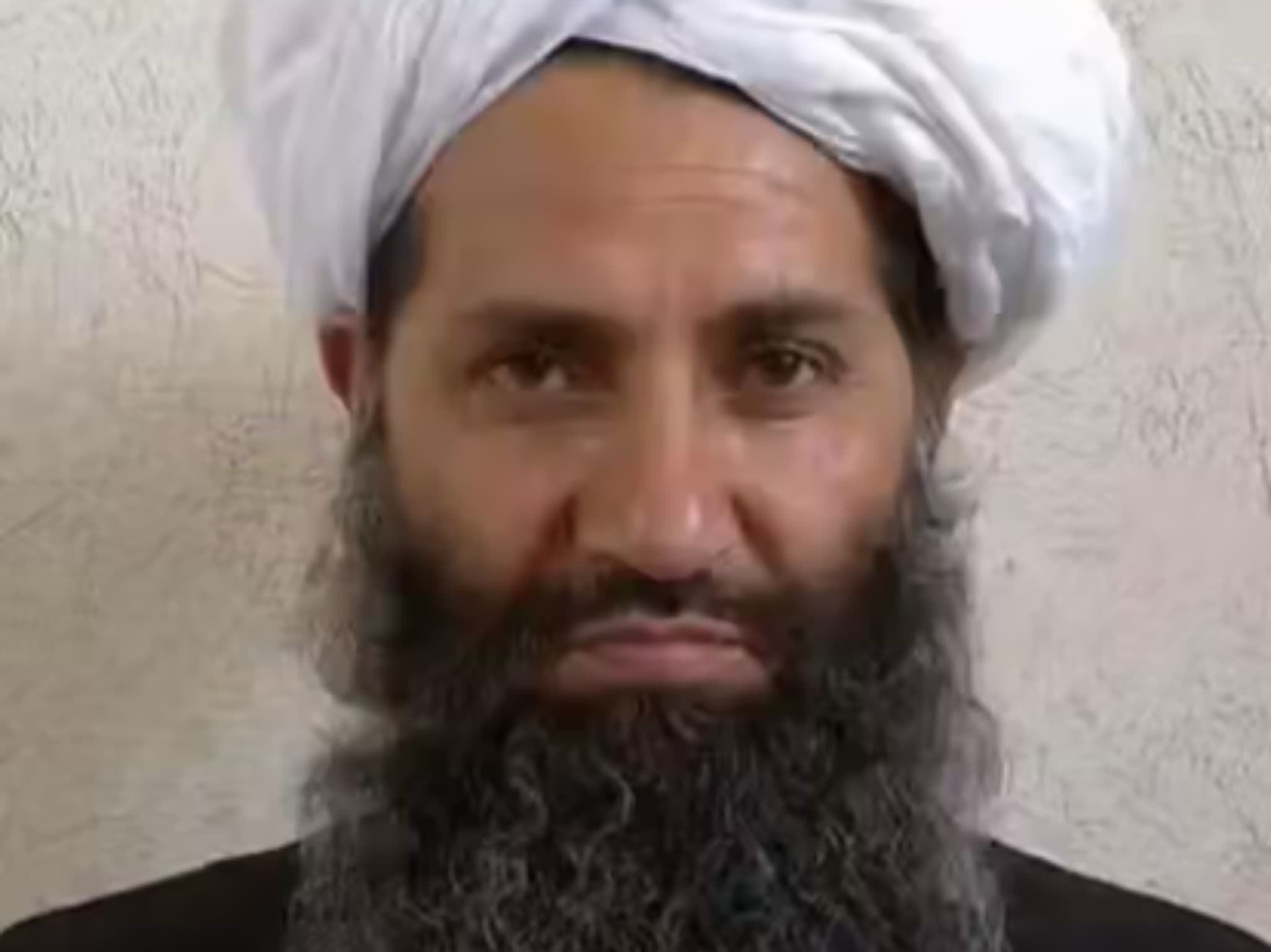

Hibatullah Akhundzada, the Taliban’s supreme leader, has issued a new decree warning that making baseless allegations against officials and employees of the group, as well as voicing criticism that he considers inconsistent with the facts, is prohibited and could result in discretionary (ta’zir) punishment.
The decree, titled “Preventing Unfounded Accusations and Insults Against Employees and Officials of the Islamic Emirate,” was published in the 25th issue of Mizan, the Taliban Supreme Court’s official publication.
The decree states that, under Islamic teachings, making baseless allegations against officials and raising criticism that is detached from reality are religiously impermissible. The document also condemns the dissemination of false information and the spread of rumours, stating that such actions can fuel resentment and hostility among Muslims, undermine public trust and weaken people’s resolve.
The restrictions outlined in the decree are not limited to Taliban officials. They also extend to insults directed at employees of the group’s administrative institutions, religious scholars and Taliban fighters.
Another section of the document states that assaulting public-service employees and individuals responsible for providing public services including physically attacking Taliban soldiers, tearing their clothing and verbally abusing them may also result in ta’zir punishment.
Hibatullah Akhundzada has further identified insulting judicial institutions and disrupting court proceedings as offences for which a judge may impose discretionary punishment. However, the decree emphasises that pardoning offenders is considered the preferable course of action.
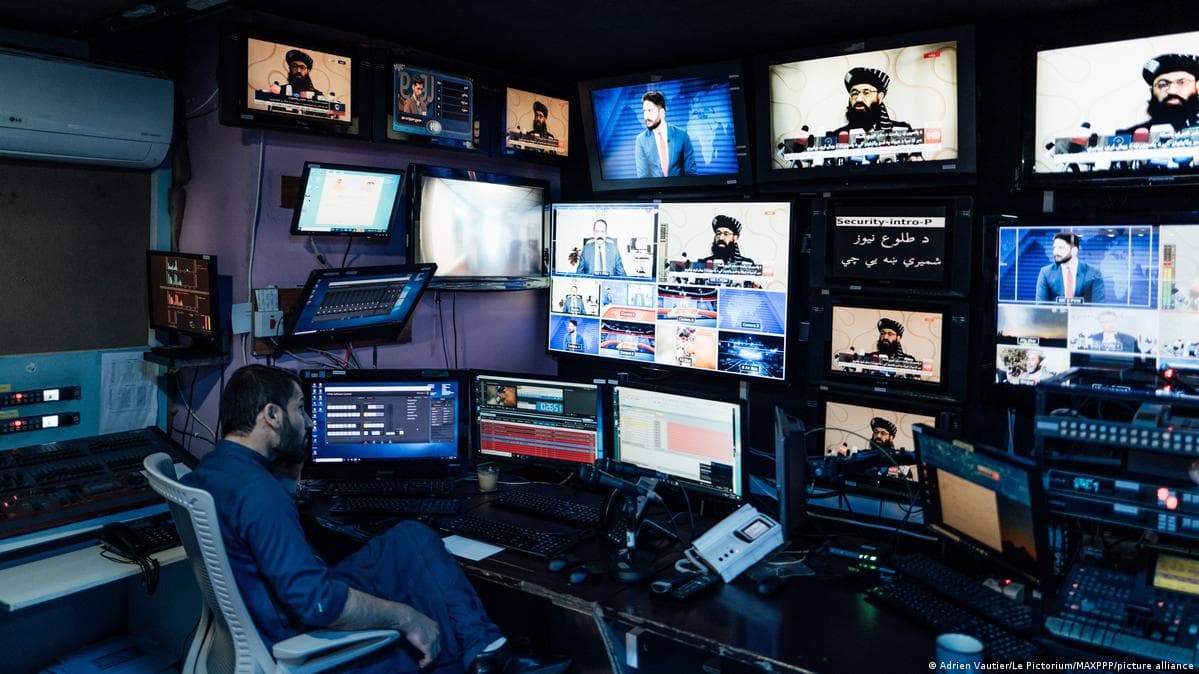
At the end of the directive, employees of Taliban administrations, members of the group’s forces and media outlets are instructed to comply with its provisions.
Critics argue that such directives could further restrict criticism of Taliban officials and limit public oversight of the group’s activities. They also warn that the order could make it more difficult for media outlets to investigate and report on the performance of institutions operating under Taliban control.
Hibatullah Akhundzada has previously opposed public criticism of the Taliban’s decisions and decrees. In an audio message released in January 2024 (Jadi 1402), he urged members of the group not to allow anyone to criticise or protest against Taliban decrees. At the time, he described open disagreement and dissent as factors that could weaken and ultimately lead to the collapse of the group.
Writer:Roya Stanikzai