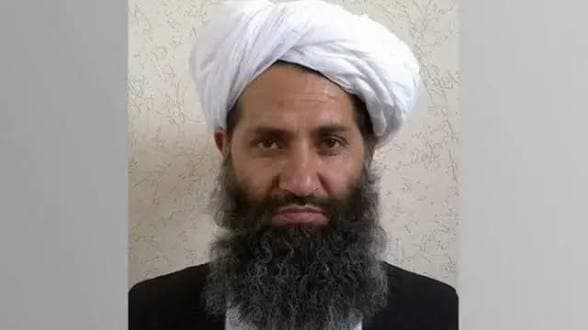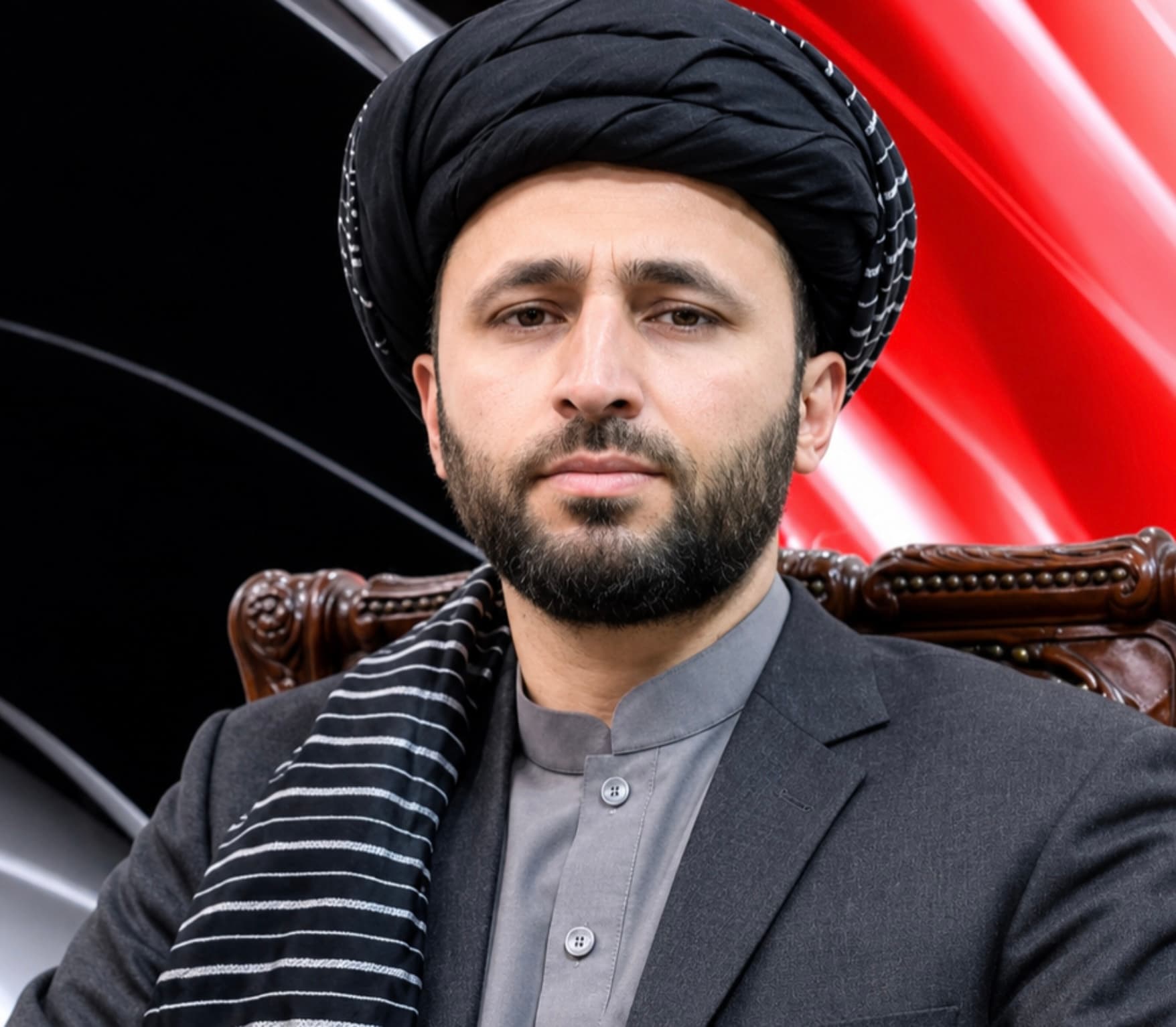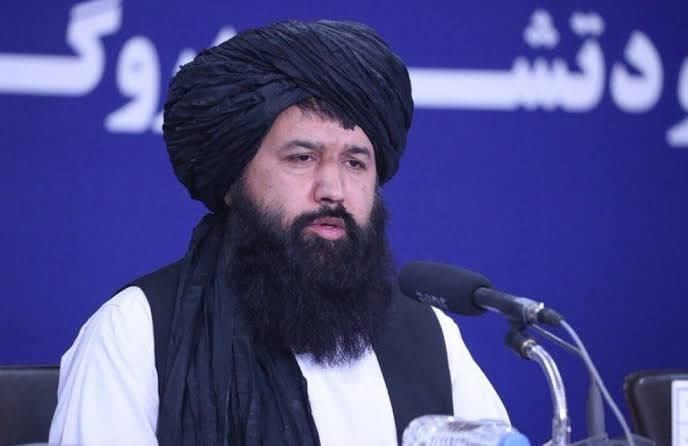

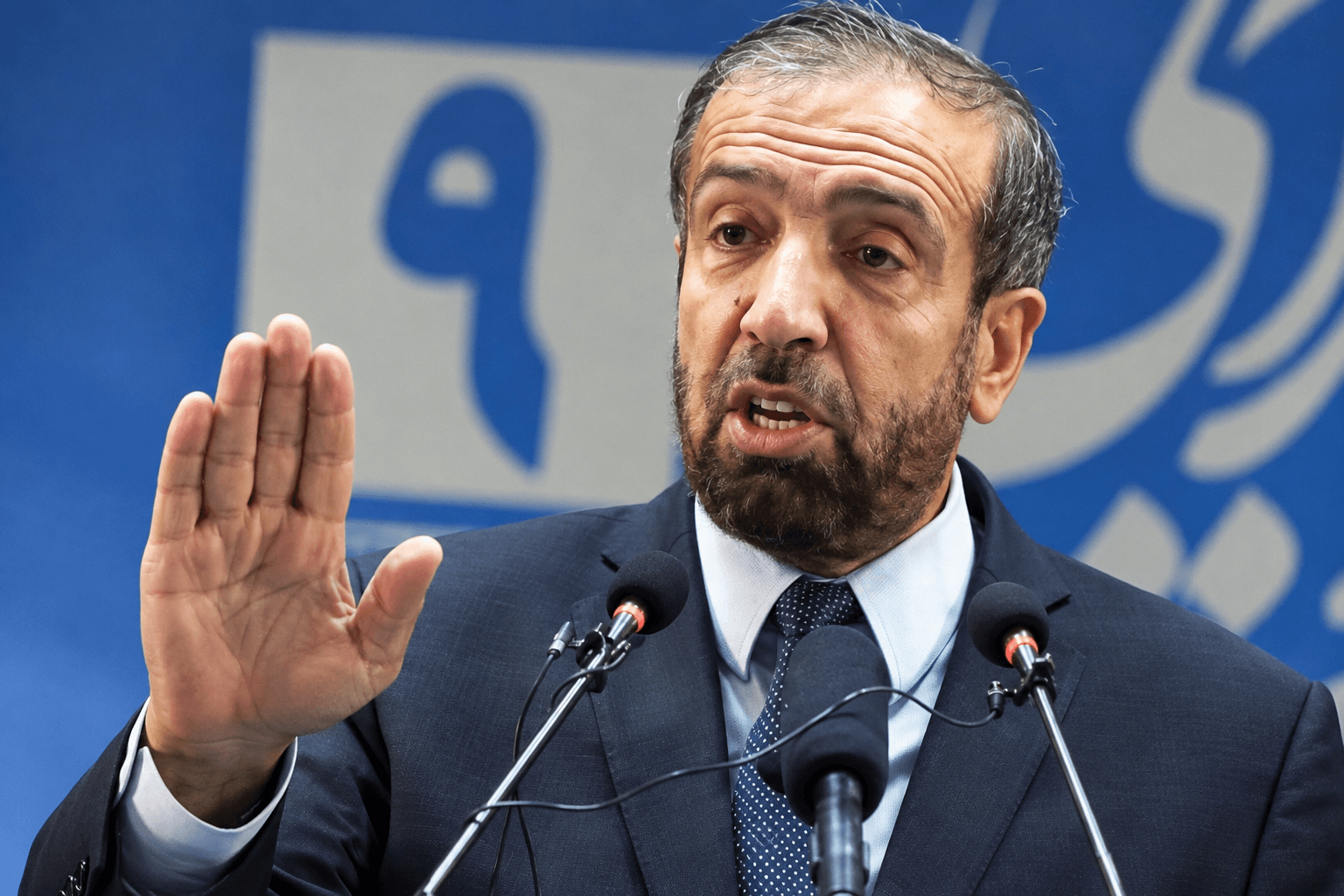
Fazl Ahmad Manawi, Afghanistan’s former Minister of Justice, says Taliban supreme leader Hibatullah Akhundzada issued at least 251 restrictive decrees and directives between August 2021 and the end of 2025. He also says the Taliban’s newly introduced penal code violates citizens’ fundamental rights.
In a post on his X account on Saturday, November 21, Manawi wrote that instead of having a law-based system, accountable institutions and a separation of powers, Afghanistan under Taliban rule is governed according to the wishes and daily decrees of a single individual.
He said some of these decrees impose extensive restrictions on women and girls, including the ban on girls’ education, the exclusion of women from higher education, and restrictions preventing them from working in domestic and international organisations, as well as the United Nations. According to Manawi, restrictions on women’s participation in public life have also increased significantly.
The former justice minister added that the scope of these directives has extended into people’s private lives and daily affairs. Restrictions on women’s voices, the compulsory enforcement of the Taliban’s prescribed dress code, media censorship, prohibitions on criticising officials, the ban on chess, and restrictions on poetry and literary gatherings are among the measures he highlighted. Requirements governing students’ clothing and turbans, as well as the ban on wearing neckties, are also included in his list.
Manawi also referred to a Taliban decree issued in December 2024, which prohibits the construction of windows that overlook the private spaces of neighbouring homes.
In another part of his remarks, he said Hibatullah Akhundzada approved a new 119-article document in January 2026 concerning the criminal procedures and principles governing Taliban courts. According to Manawi, the document prescribes punishments for various acts, including beatings, imprisonment and even execution, while imposing further restrictions on freedom of expression and citizens’ fundamental rights.
The former justice minister described several provisions of the document as particularly concerning from a human rights perspective, especially those relating to restrictions on women and children and the regulation of family relationships.
Manawi also accused the Taliban of devoting much of their efforts to regulating the personal lives of citizens rather than addressing pressing challenges such as poverty, unemployment, corruption, insecurity, inadequate healthcare services and the country’s reconstruction needs.
He concluded by emphasising that Afghanistan needs a legitimate constitution, an accountable system of governance, justice, freedom and political participation for its citizens not decrees that, in his words, impose increasingly severe restrictions on people’s lives.
Writer:Roya Stanikzai