
The finalization of an agreement between Iran and the United States has been accompanied by widespread reactions in Iran, Israel, and several other countries. The agreement, which is scheduled to be signed on Friday in Switzerland, has become one of the most closely watched topics in the political and international arena.
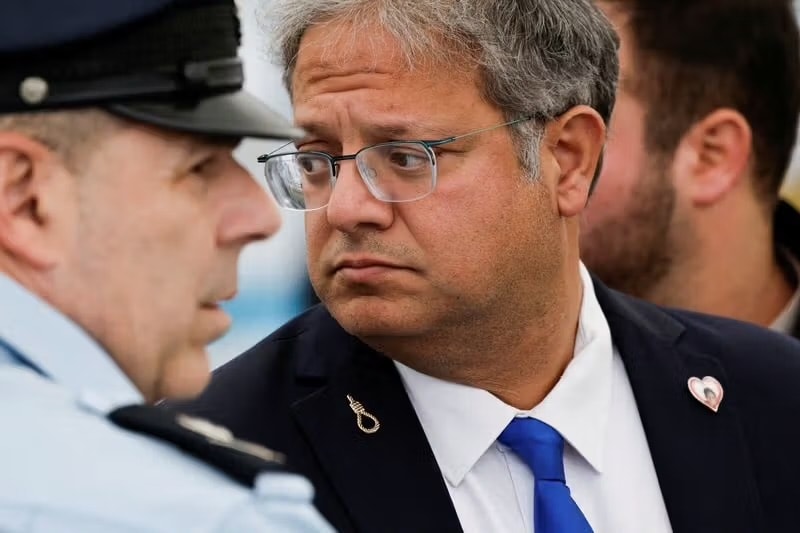
Itamar Ben-Gvir, Israel’s Minister of National Security, responded to the agreement by stating that any deal between Washington and Tehran is not binding on Israel. He emphasized that Israel is not a party to the agreement and will make its own security decisions based on independent assessments and its national interests.
Ben-Gvir also called for continued pressure on Hezbollah, stating that Israel should not accept anything less than the dismantling of the group. He added that Israel’s security must remain the top priority in any regional political and security developments.
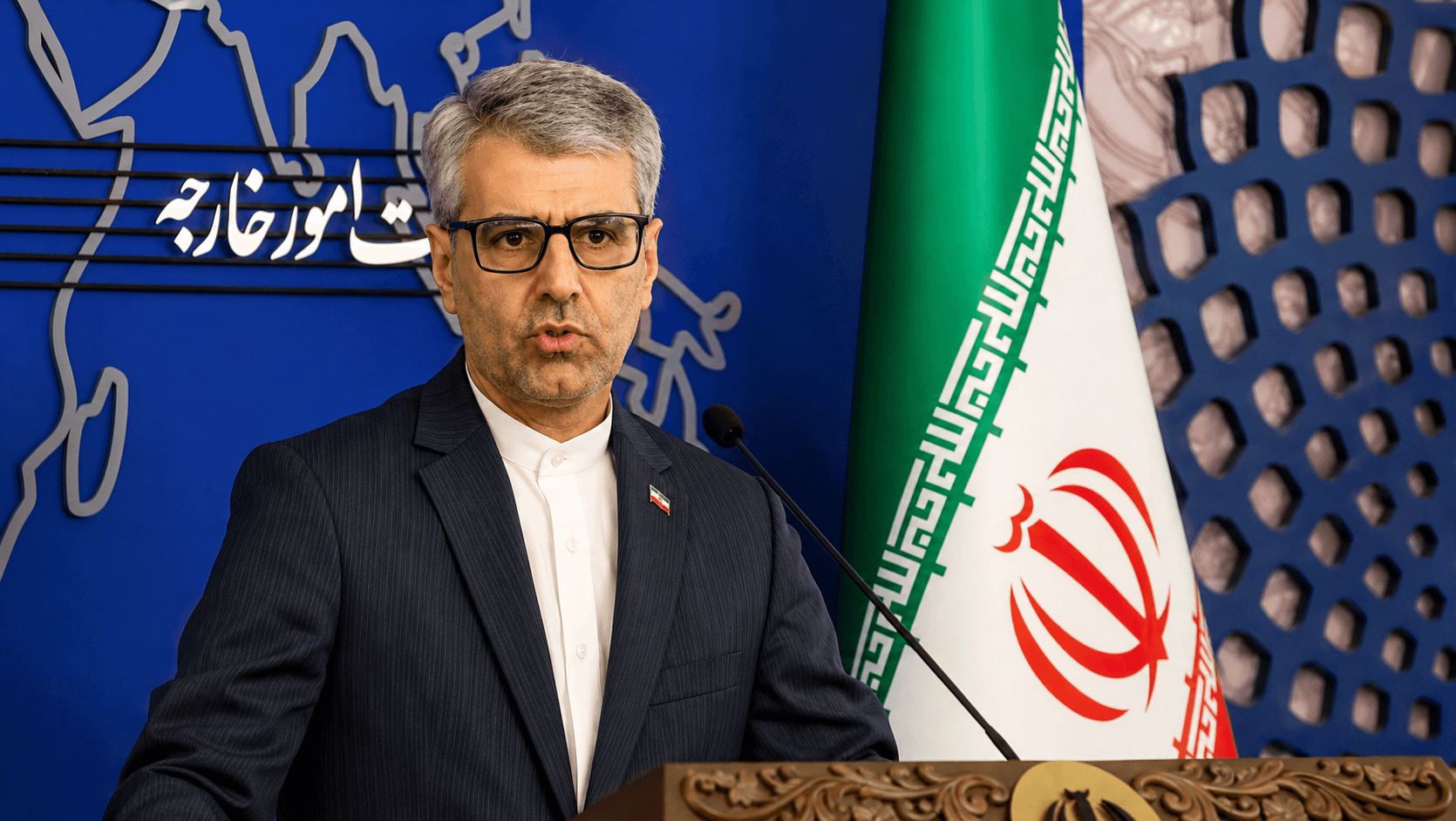
Inside Iran as well, the agreement has received mixed reactions. Some supporters of the Islamic Republic have welcomed it, while others have expressed differing views and assessments regarding its potential consequences.
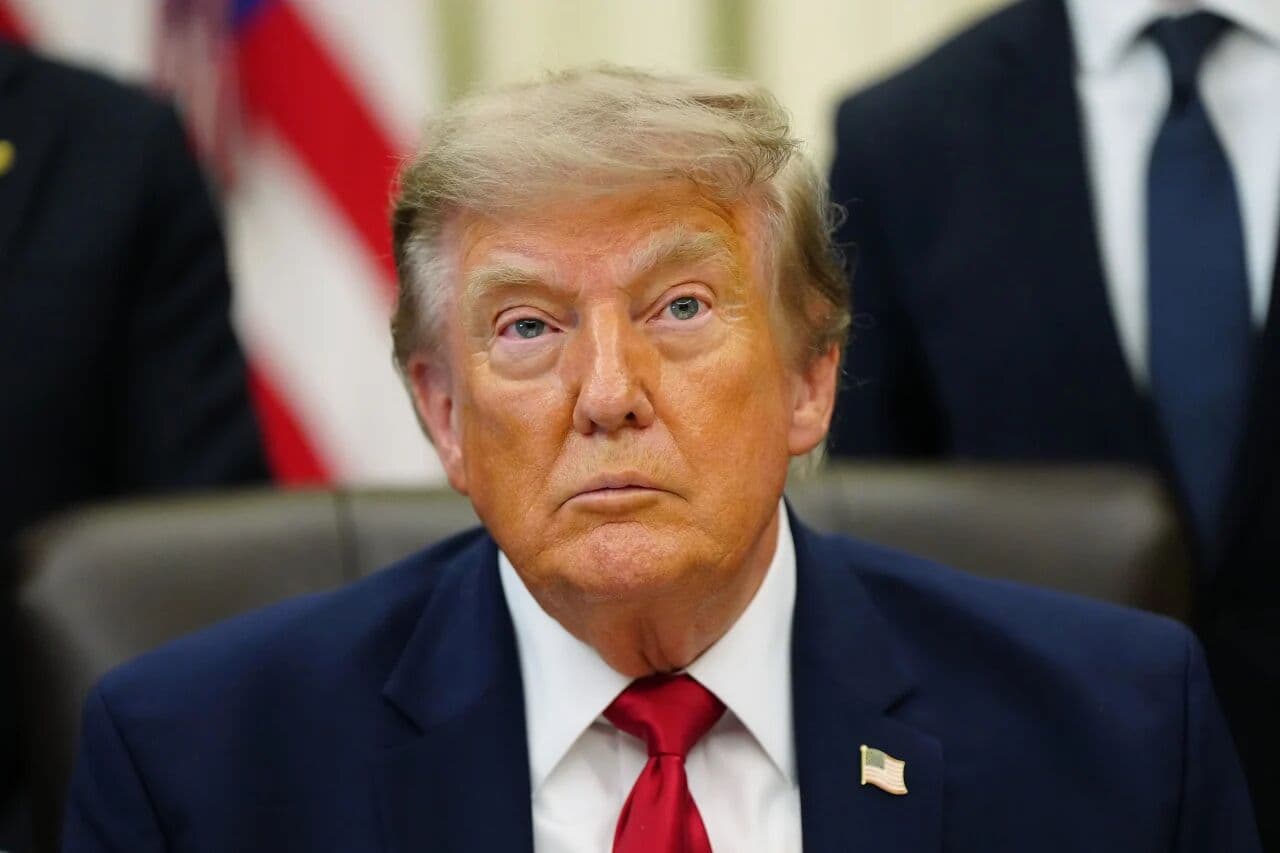
U.S. President Donald Trump had previously announced that the agreement between Iran and the United States had been fully finalized. According to him, the deal could pave the way for an end to conflicts and a reduction of tensions in the region.
Based on published information, the agreement includes the lifting of the U.S. naval blockade on Iran and the reopening of the Strait of Hormuz. More details of the agreement are expected to be released following its official signing in Switzerland.
The signing ceremony is scheduled to take place on Friday with representatives of both sides in attendance in Switzerland an event that has already attracted significant attention from political observers and international media outlets.
Writer:Salima Aryaei