
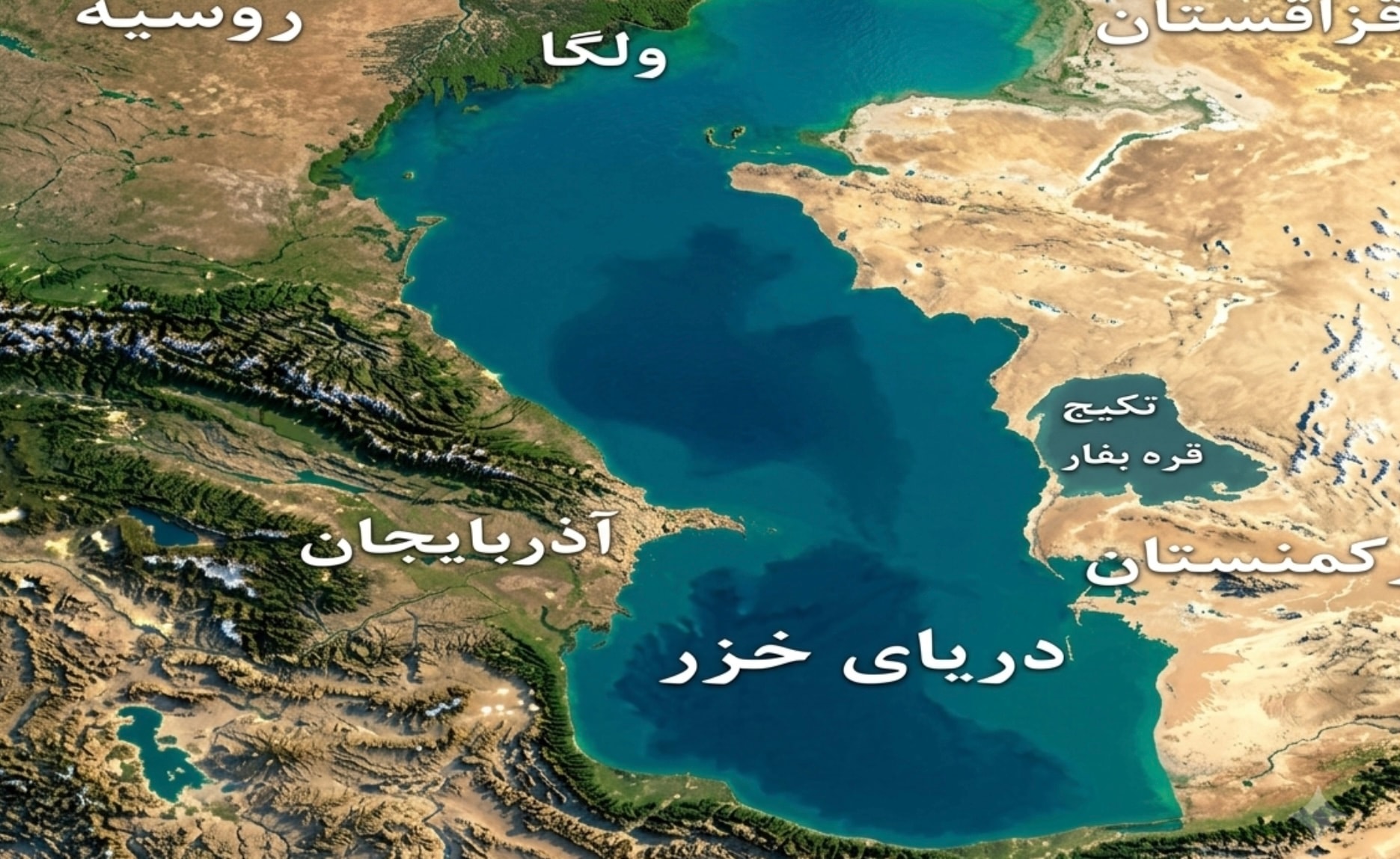
The Iranian government’s submission of a bill to the Islamic Consultative Assembly (Iranian Parliament) seeking accession to the Convention on the Legal Status of the Caspian Sea has sparked widespread reactions in Iran’s political and media circles due to the importance of the agreement in establishing the legal framework governing the sea.
Hassan Qashqavi, a member of Iran’s parliament, described the convention as “highly important” from a security perspective, stating that Iran is the last Caspian littoral state that has yet to ratify it. He also emphasized that, given Tehran’s upcoming hosting of the summit of Caspian Sea littoral states, it would be appropriate for the convention to be approved by parliament before the meeting takes place.
Based on the resolution adopted at the summit of Caspian Sea coastal states in July 2022 in Turkmenistan, Tehran will host the next round of the summit. At that meeting, Ebrahim Raisi, the then-president of Iran, represented the country.
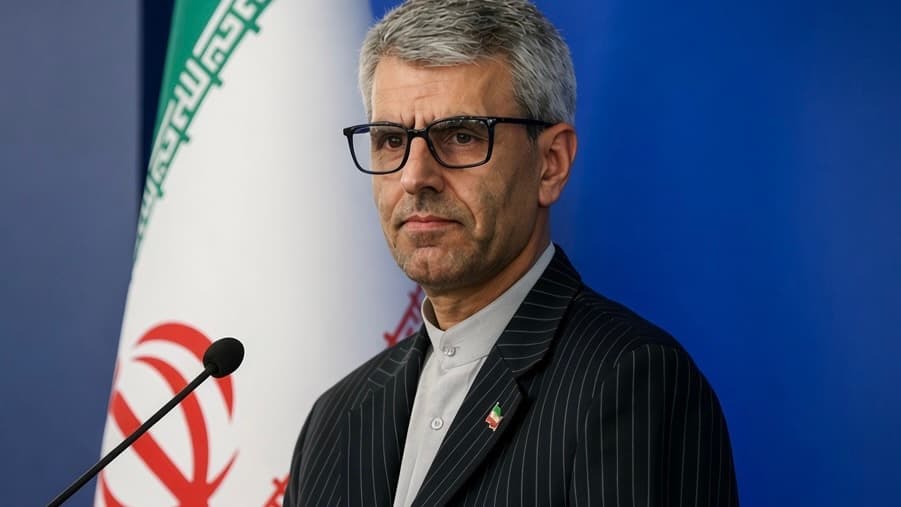
Esmaeil Baghaei, spokesperson for Iran’s Ministry of Foreign Affairs, announced two days before the bill was submitted to parliament that ratifying the convention could prevent potential exploitation by actors outside the region and their interference in the Caspian Sea in the absence of a shared legal framework.
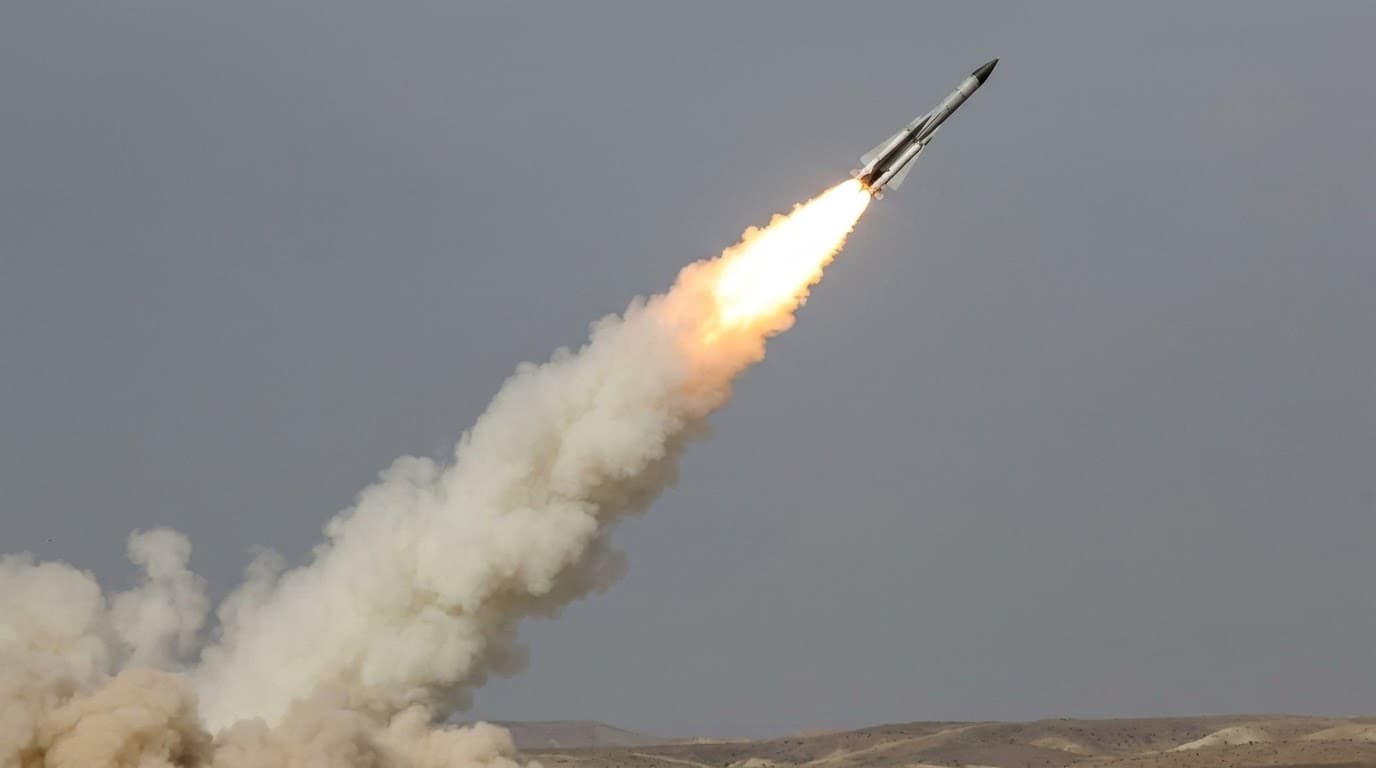
The introduction of the bill comes at a time when regional security developments have further increased the importance of the Caspian Sea. In recent months, Iranian positions in the sea have reportedly been targeted during regional conflicts, while the war between Russia and Ukraine has also extended into this area. Additionally, Ukraine recently targeted an Iranian vessel in the Caspian Sea; Ukrainian President Volodymyr Zelenskyy claimed that the ship was carrying military equipment and was linked to Russia.
Kazem Gharibabadi, Iran’s Deputy Foreign Minister, has also recently provided lawmakers with explanations regarding the provisions of the convention, although details of the meeting have not been made public.
Iran’s share and legal status in the Caspian Sea have been among the most controversial issues in the country’s political and public discourse in recent years. At the same time as the bill is being reviewed, some social media users have expressed concerns about the potential consequences of Iran joining the convention, particularly amid ongoing security and military tensions in the region.
Iranian media outlets have also published differing views on the bill. The news website Tabnak expressed concern over approving the convention under current circumstances, arguing that the move could affect the country’s strategic priorities. In contrast, the state-run IRNA news agency described ratification of the convention as a step toward strengthening Iran’s northern border security. The Mehr News Agency, while emphasizing the security aspects of the document, reported that although the convention helps limit the military presence of extra-regional powers, it leaves the final determination of maritime borders to future negotiations.
Writer:Salima Aryaei