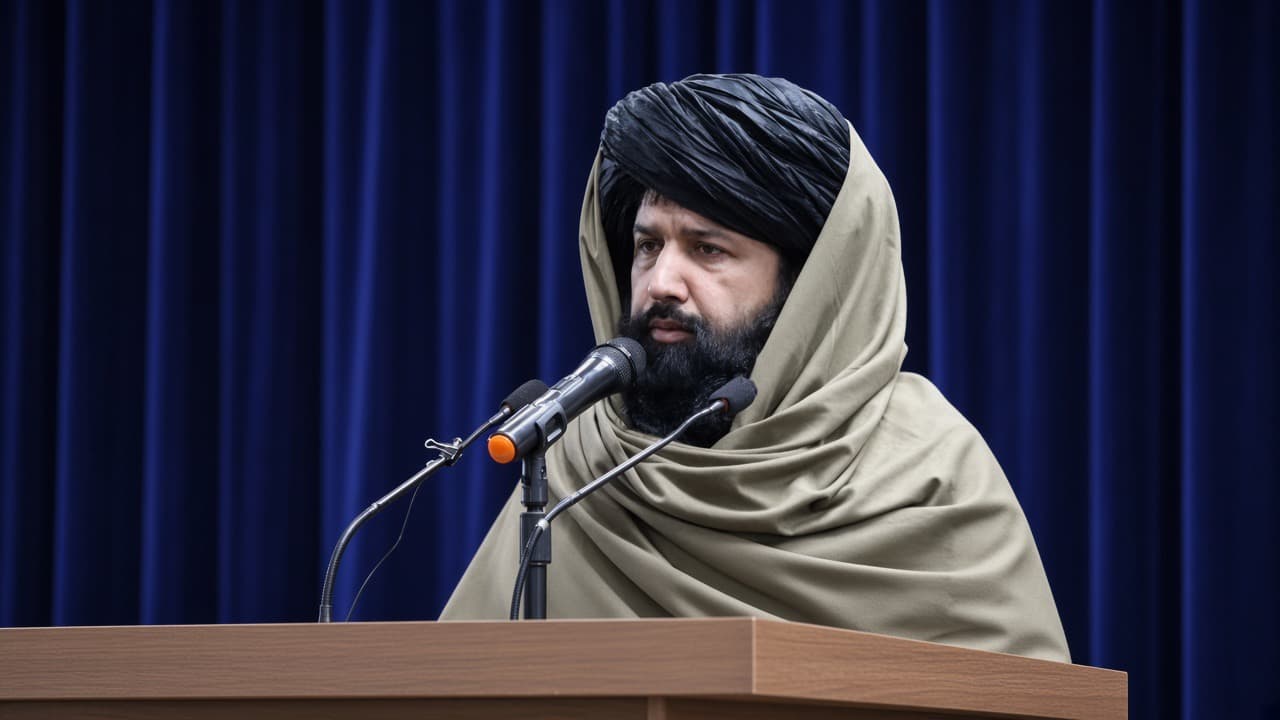

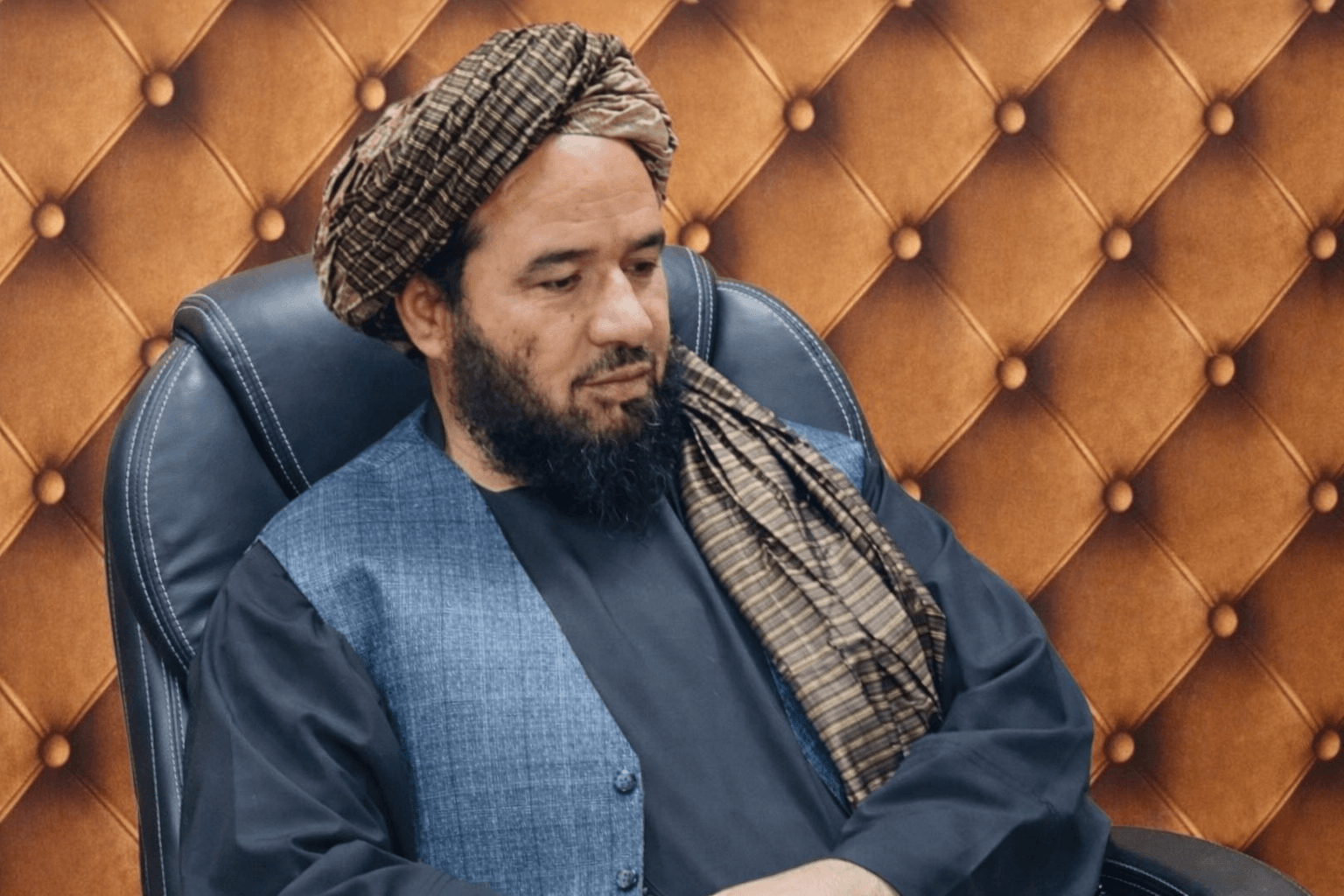
Juma Khan Fateh, a Taliban commander who was transferred to Kabul following mediation by Qari Fasihuddin Fitrat, told the BBC that the reason for his resignation from the position of Deputy Governor of Zabul was his lack of familiarity with the Pashto language and the inability of the people of the province to communicate in Persian.
He said that the people of Zabul were not familiar with Persian, while he himself was not proficient in Pashto. According to him, this linguistic gap made it impossible for him to continue his assignment in Zabul, and he eventually resigned from his position.
However, some informed sources in Badakhshan have provided a different account of the reasons behind his resignation. According to these sources, the main factors were disagreements between Juma Khan Fateh and the Taliban leadership over the management of gold mines, as well as his objections to what he described as ethnically biased behavior by Taliban officials in Badakhshan.
Tensions between Juma Khan Fateh and the Taliban continued for approximately one month. During this period, reports emerged about the possibility of clashes between forces loyal to him and Taliban members in Badakhshan. However, the dispute was eventually resolved after mediation by Qari Fasihuddin Fitrat, and Fateh was transferred to Kabul, bringing the tensions to an end.
After his relocation to Kabul, Juma Khan Fateh denied having any disagreement with the Taliban leadership and said he was prepared to continue serving based on the decisions and needs of the group’s leadership. He also stated that he had made sacrifices for the establishment of the Taliban government and remained ready to make further sacrifices.
At the height of the tensions, a number of Tajik political and civil activists expressed support for Juma Khan Fateh and urged him not to back down in his confrontation with the Taliban. They argued that reconciliation with the Taliban leadership would not serve his interests and warned him about the potential consequences of such an agreement.
In contrast, another group of Tajik activists opposed supporting Fateh. Referring to his background, they argued that Taliban commanders should not be expected to challenge the structure of the group and criticized efforts to portray him as a figure resisting the Taliban leadership.
Fateh’s recent comments regarding the role of language differences between Persian and Pashto speakers in the continuation of his assignment have once again sparked discussions on social media and among users about linguistic and ethnic discrimination within the Taliban’s structure.
Some Tajik users have raised the question of how a Persian-speaking official can be deemed unable to serve as Deputy Governor in Zabul due to a lack of Pashto proficiency, while some Pashto-speaking officials who do not speak Persian have been appointed as governors or senior officials in Persian-speaking provinces, including Badakhshan.
In recent years, some Taliban members and officials in Badakhshan have repeatedly criticized what they described as ethnic discrimination in the appointment of local officials and have called for changes to certain appointments. However, the Taliban leadership has so far issued no official response to these demands.
Writer:Salima Aryaei