
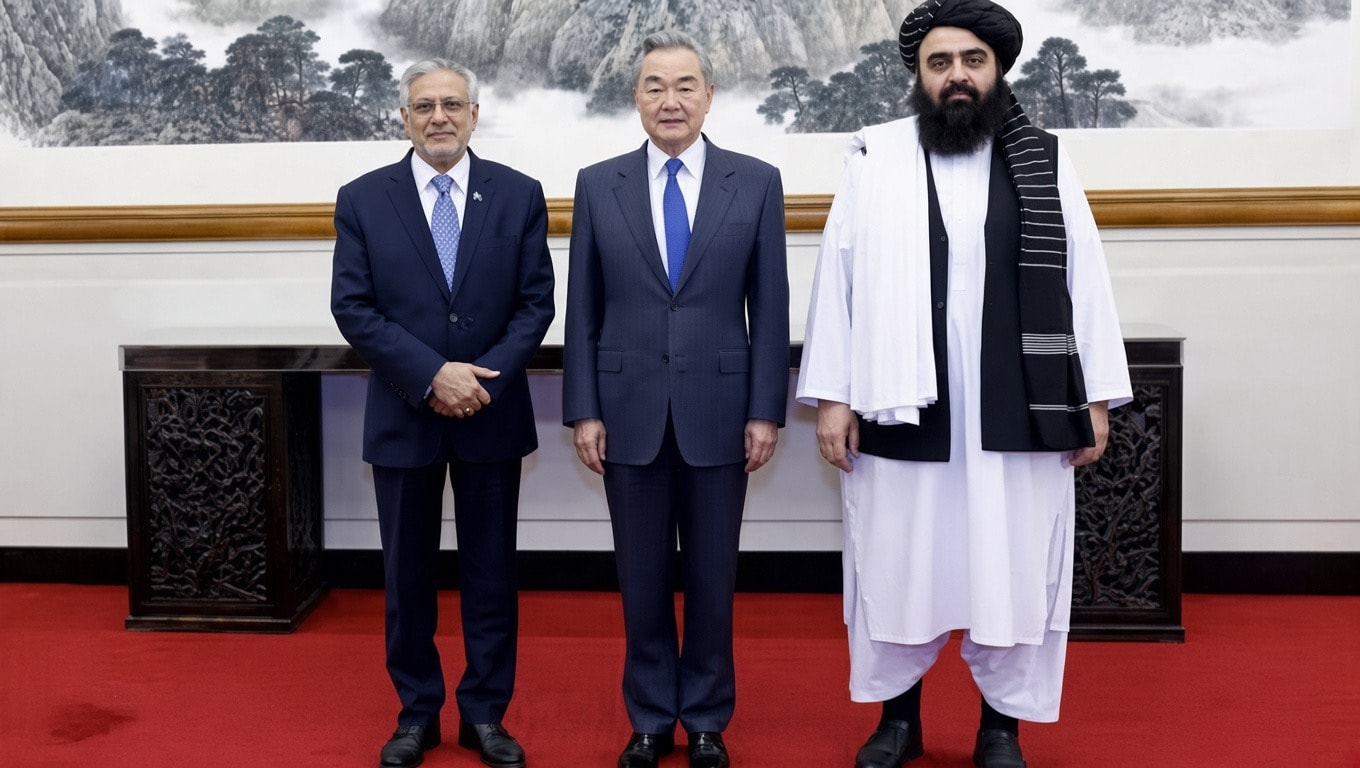
“Middle East Monitor” writes in an analytical report that tensions between the Taliban and Pakistan extend beyond the activities of the Tehrik-e-Taliban Pakistan (TTP) and border disputes. As Pakistan expands its security and defense role in the Middle East, Afghanistan has also become an increasingly important source of pressure on Islamabad.
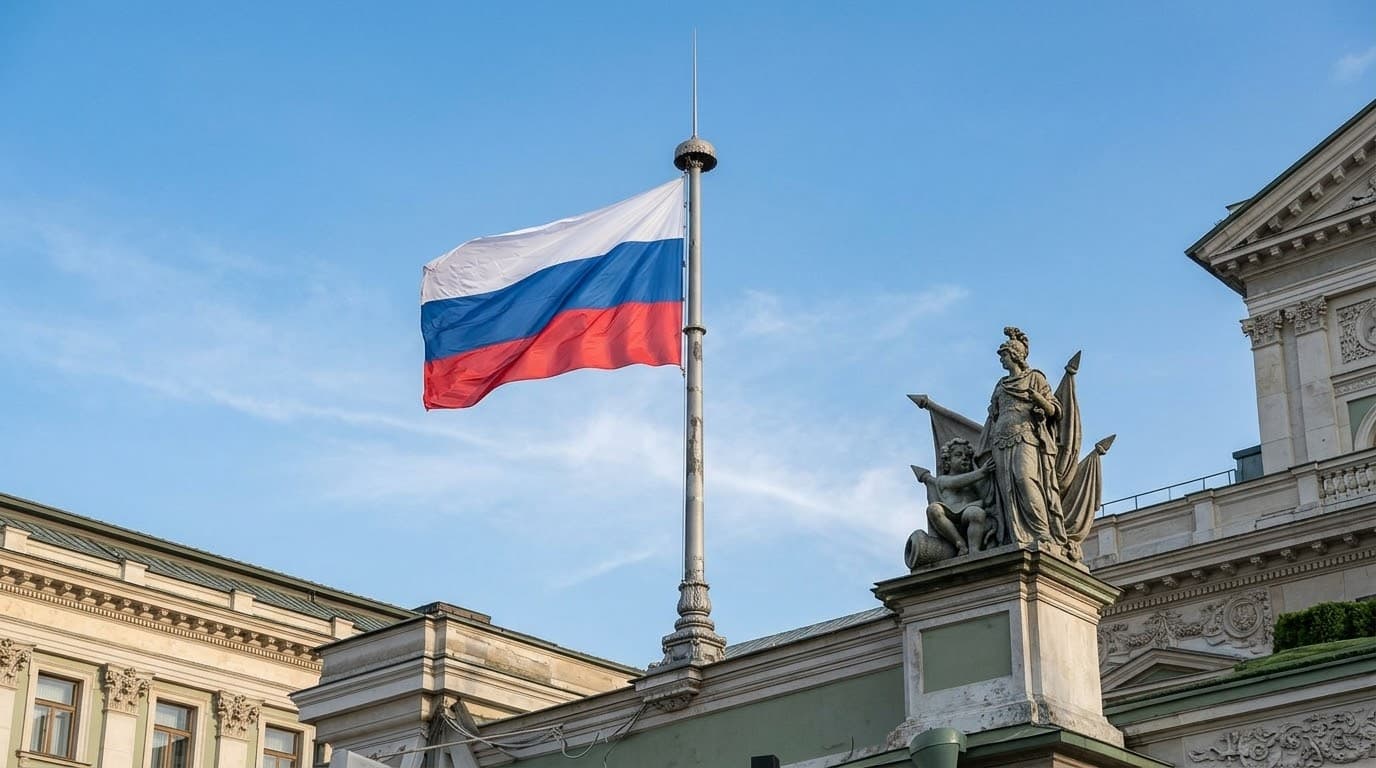
According to the report, the Moscow Format meeting, hosted by Russia, is scheduled to take place on October 5, with tensions between the Taliban and Pakistan expected to be among the key issues on the agenda. Russian officials have said they are working to create conditions for Kabul and Islamabad to reach a “reasonable compromise.”
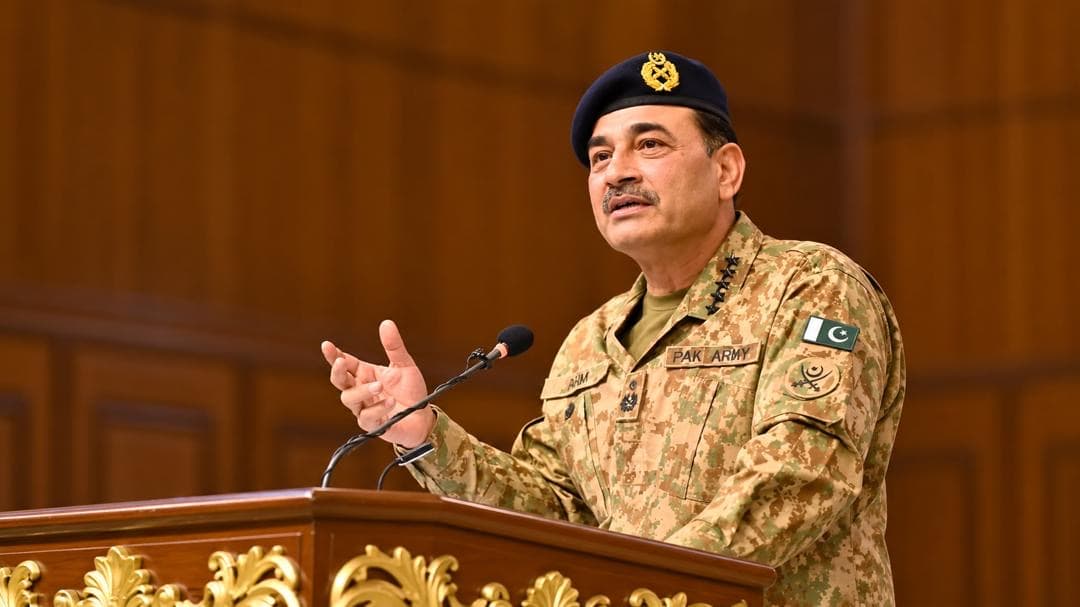
The report says Pakistan is demanding that the Taliban not only take action against the TTP but also sever ties with networks that emerged from past conflicts in Afghanistan and Pakistan. This remains a complicated issue for the Taliban because of the historical links and overlapping networks between the Taliban and the TTP.
According to the report, Islamabad has sought to pressure the Taliban through border restrictions, economic measures and airstrikes in an effort to push the group toward stronger action against the TTP. However, it argues that increased pressure does not necessarily guarantee the outcome Pakistan seeks.
The report also notes that the tensions have encouraged the Taliban to reduce their dependence on Pakistan and expand relations with other countries, including India. At the same time, armed opposition activity against the Taliban in Badakhshan and Nuristan has added to the complexity of Afghanistan’s security situation. Pakistan has denied supporting the Taliban’s armed opponents, and there is insufficient evidence of organized Pakistani backing for these groups.
“Middle East Monitor” further points to Pakistan’s expanding defense cooperation with Saudi Arabia and Turkey as another factor reshaping regional dynamics. Islamabad is now facing growing security challenges along its western borders while simultaneously taking on a more prominent role in Middle Eastern security affairs.
The report concludes that developments in Afghanistan can no longer be viewed solely through the lens of South Asian affairs. Given Pakistan’s expanding role in the Middle East’s security landscape, Afghanistan has increasingly become part of a broader regional equation.
Writer:Roya Stanikzai