
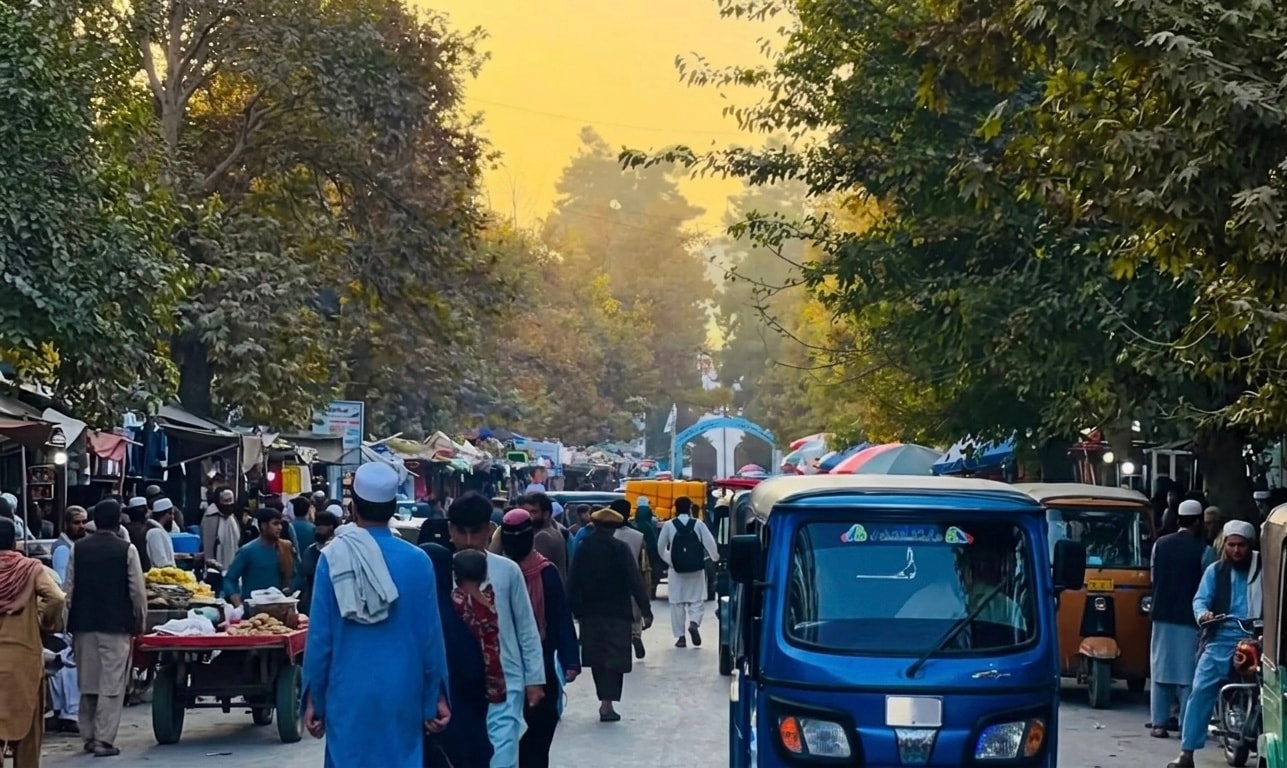
Some residents of Takhar province say that the presence and activities of Taliban “morality police” (the Department for the Promotion of Virtue and Prevention of Vice) have increased in the province’s cities and markets a situation they say has raised concerns about further restrictions on women and girls and has created an atmosphere of fear and caution in public spaces.
Several citizens told media outlets on Saturday, 30 Jowza, that officers of the Taliban’s morality police are extensively monitoring women’s dress and movement in various parts of the city, particularly in busy markets and intersections. According to them, there have been reports in some cases of women being stopped, questioned, and temporarily detained.
Residents say that the expansion of such surveillance has led many women to leave their homes for daily activities with greater concern and caution, and has reduced their presence in public places.
A number of women in Taloqan, the capital of Takhar province, say these restrictions have affected their daily lives and turned public spaces into environments marked by fear and self-censorship.
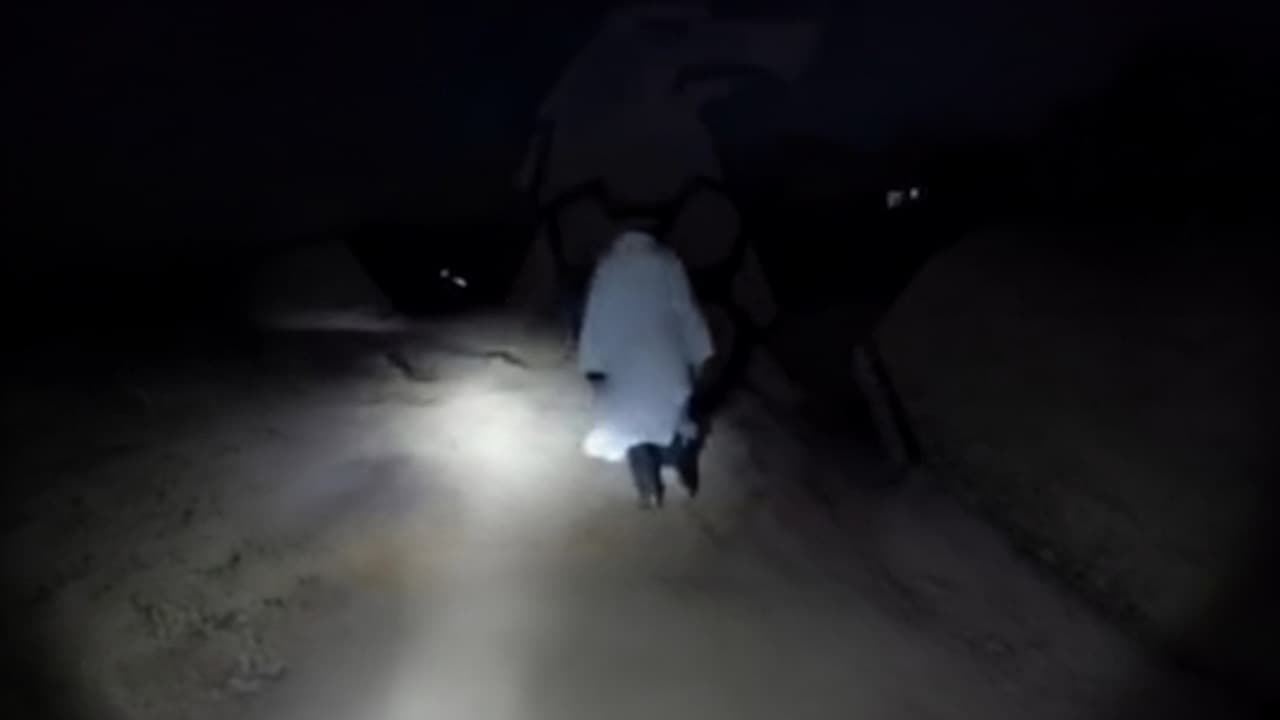
Arefa Ahmadi, who uses a pseudonym for security reasons, says that even a short trip to the market is accompanied by fear of encountering Taliban morality officers. She states: “One day I went to Taloqan city with my 10-year-old brother to run an errand. Taliban morality officers stopped me because I was wearing a mask and not a burqa. After being taken to the Department for the Promotion of Virtue, I was detained for about four hours and then released on my father’s guarantee. Since then, I have not dared to go into the city again.”
At the same time, some social activists in Takhar warn that the continuation of this trend could further reduce women’s participation in social and economic activities and pave the way for greater isolation.
Meanwhile, local Taliban authorities in Takhar have so far not responded to these reports. With the continuation of this situation, concerns are growing about the further restriction of women’s living space and social presence in the province.