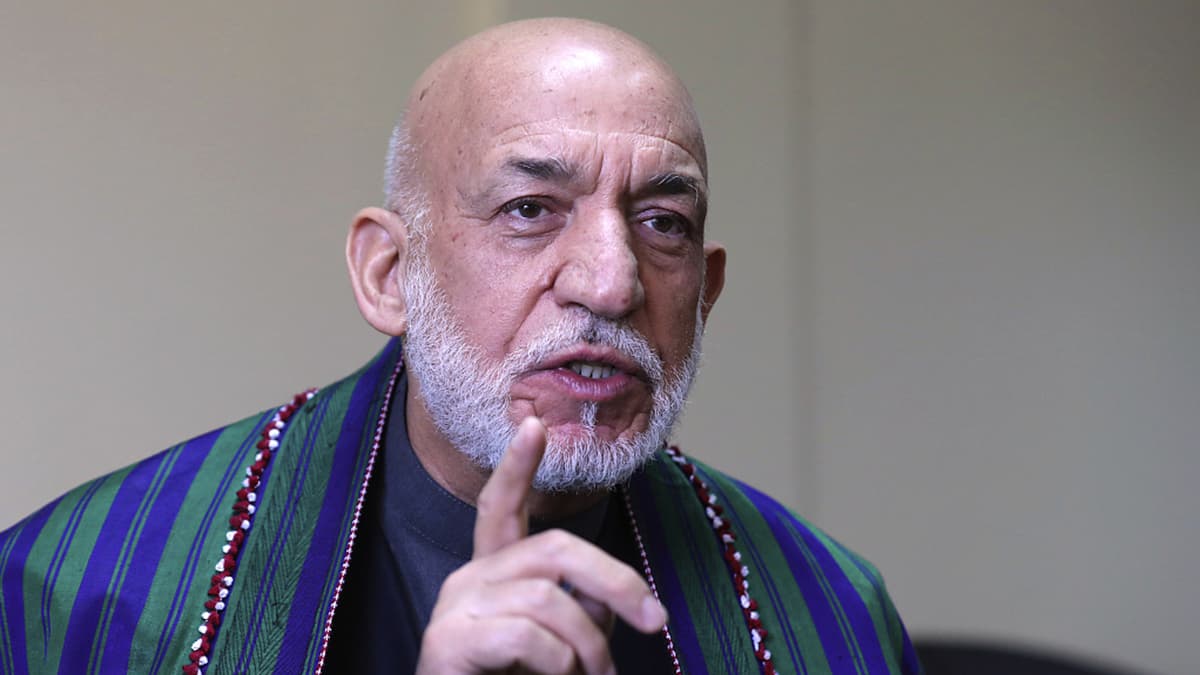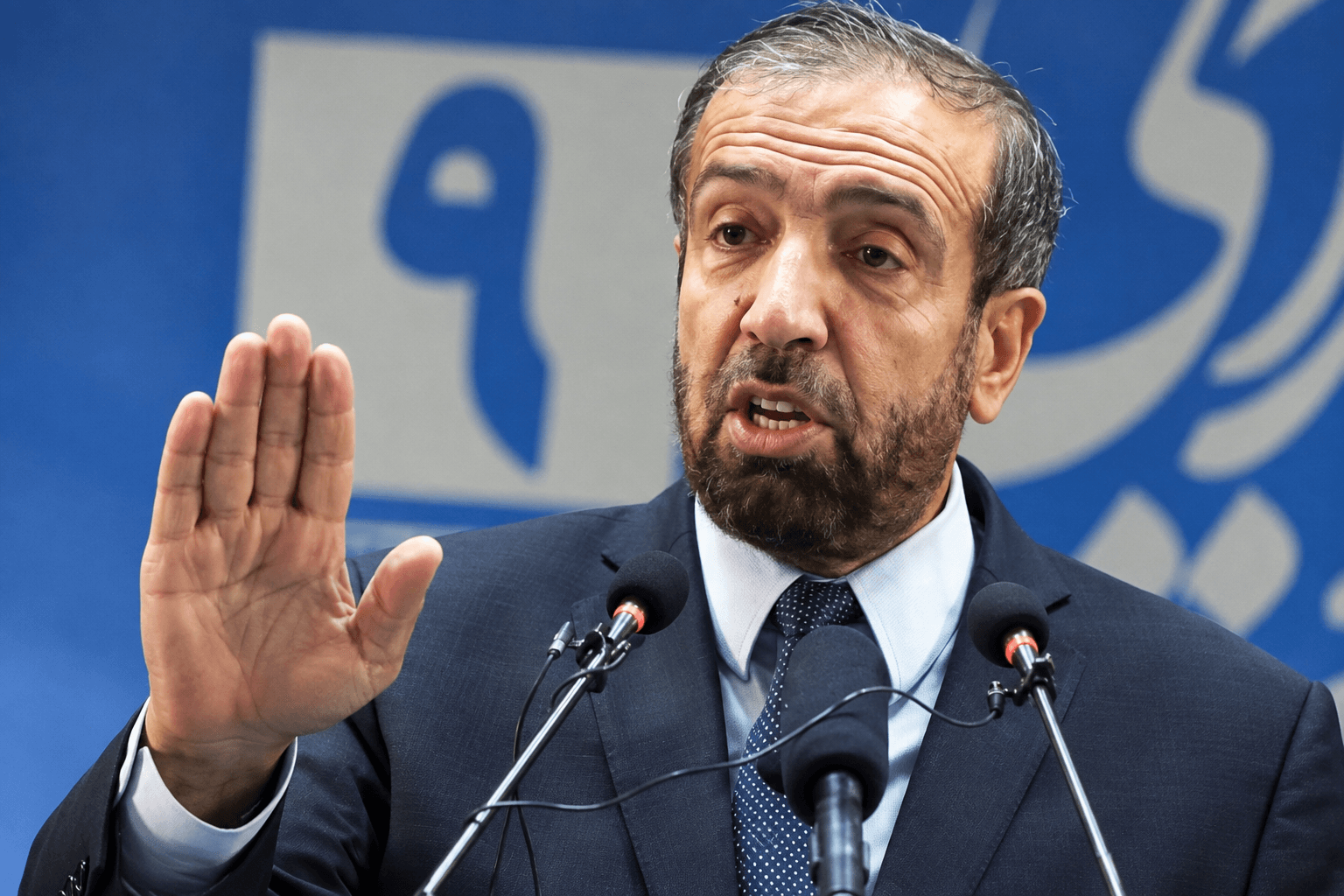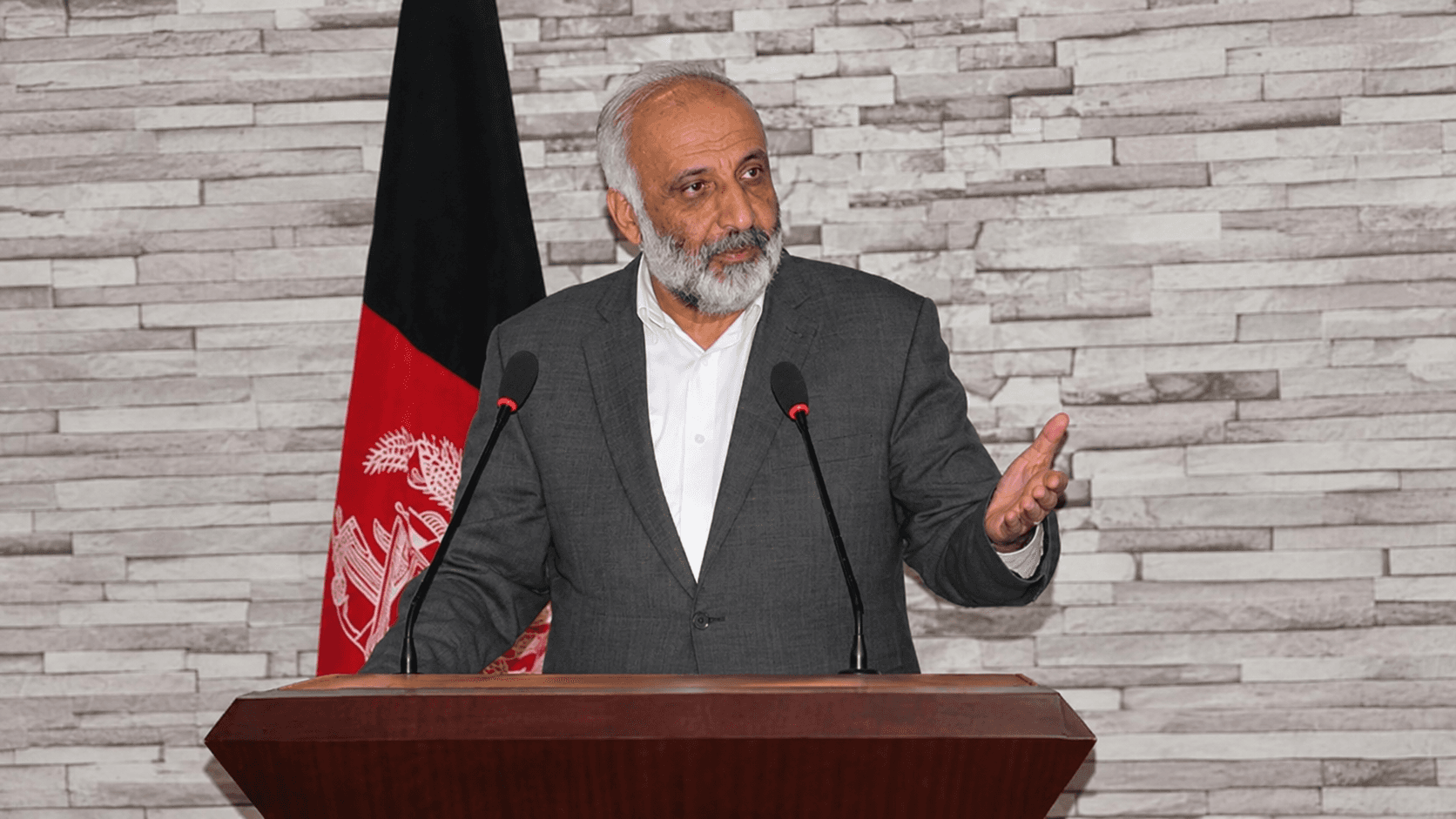

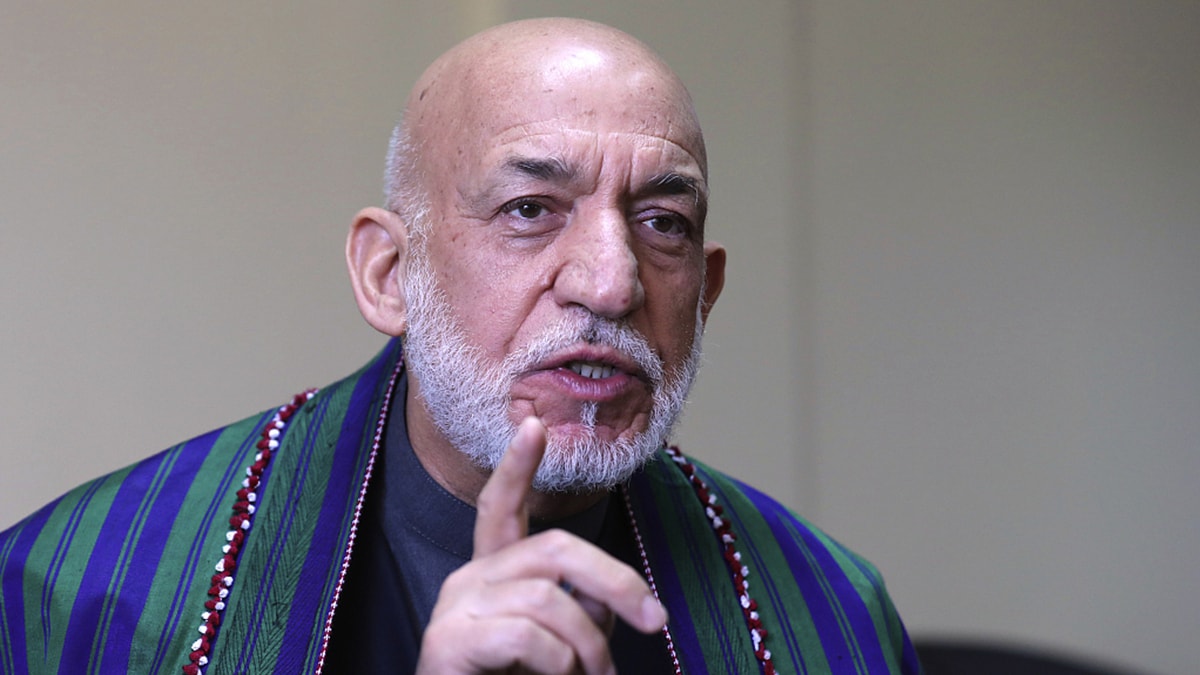
Ziaullah Hashimi, spokesperson for the Taliban’s Ministry of Higher Education, has sharply criticized former Afghan President Hamid Karzai over his recent remarks on girls’ education, saying that Karzai “has no right to comment on Afghanistan’s affairs.”
In a post on X on Wednesday, July 15, Hashimi wrote that commentary on higher education should come from individuals who left behind a positive legacy in advancing the country’s academic sector during their time in office. Addressing the former president, he added that, in the Taliban’s view, Karzai’s record does not grant him such standing.
Hashimi’s remarks came after Karzai, citing a recent UNICEF report on the consequences of denying girls access to education, stressed that universal access to education particularly for girls could play a vital role in improving public health, promoting development, and securing Afghanistan’s future.
The Taliban official’s comments drew widespread attention across Afghan social media. Many of Karzai’s supporters described Hashimi’s tone as inappropriate, arguing that a ministry spokesperson should not address a former president in such terms.
Others, however, including some political and cultural commentators, supported the Taliban’s position and criticized Karzai’s record while in office. They argued that his policies toward the Taliban particularly his emphasis on dialogue and reconciliation contributed to the group’s eventual return to power.
Karzai’s critics have also pointed to his continued presence in Kabul following the Taliban’s takeover as evidence of political alignment with the group. Karzai, however, has repeatedly called for the formation of an inclusive government, the reopening of schools and universities to girls, and the protection of citizens’ rights.
Following the fall of the Taliban’s first regime in 2001, Hamid Karzai became head of Afghanistan’s Interim Administration and later served two elected terms as the country’s president. Throughout his presidency, he consistently supported dialogue with the Taliban, a policy that remained the subject of both support and criticism across Afghanistan’s political spectrum.
Writer:Salima Aryaei