
Following criticism and protests by Hazara and Shia leaders over the conduct of Abdul Hakim Sharaee, the Taliban’s Minister of Justice, he has asked the leaders to come to his office to provide explanations and respond to the concerns raised.
Reliable sources said that Hazara and Shia leaders decided at an emergency meeting not to go to the Justice Minister’s office.
A number of Hazara and Shia scholars and prominent figures in Afghanistan accused Abdul Hakim Sharaee in a statement issued on Thursday, 15 Asad, of “systematic discrimination” and attempts to “forcibly displace” Hazaras and Shias. They warned that the continuation of this process was “no longer tolerable.”
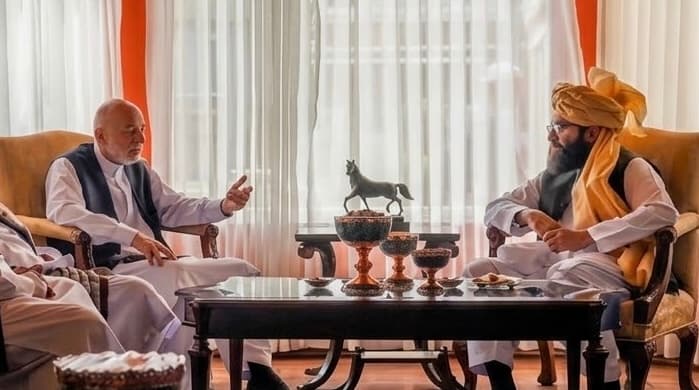
According to reports, the Taliban’s Justice Minister summoned several members of the group behind the statement to his office on Saturday, 17 Asad. Those summoned included members of the Afghan Shia Scholars Council, the High Commission of Shias, and several former members of parliament.
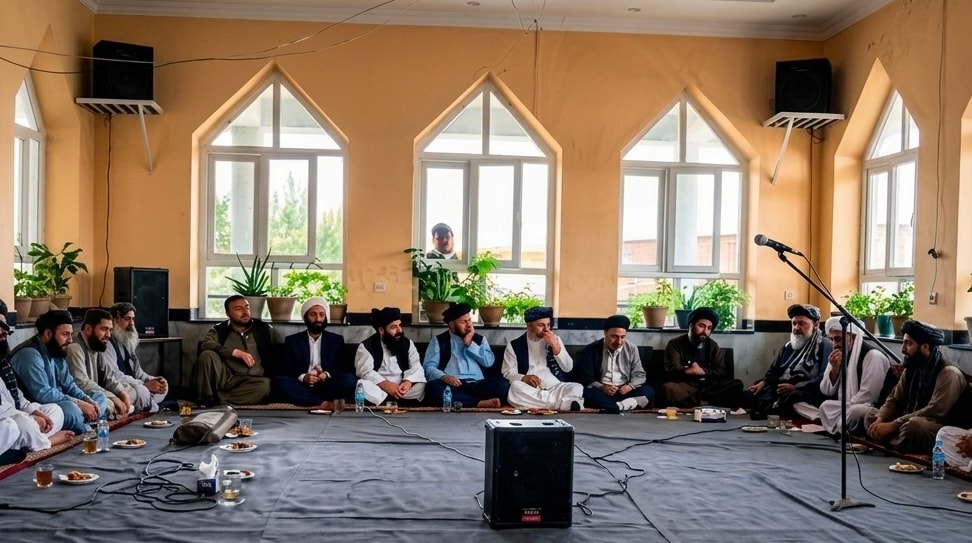
However, the leaders decided at a meeting held Saturday evening at Al-Zahra Mosque in western Kabul not to go to the Justice Minister’s office.
They said that if senior Taliban leaders, particularly Taliban Prime Minister Mohammad Hassan Akhund, requested talks, they would be willing to meet with them.
Writer:Saeed Sameer