
The United Nations Assistance Mission in Afghanistan (UNAMA), marking World Day to Combat Desertification and Drought, has warned that the ongoing drought, expanding desertification, and water shortages are posing serious threats to the lives of millions of Afghan citizens and to the country’s food security.
UNAMA said in a statement on Wednesday, 27 Jawza, that Afghanistan is on the front lines of climate change impacts and is facing challenges such as prolonged droughts, degradation of fertile land, and declining water resources.
The statement added that these factors are directly affecting people’s livelihoods, agricultural production, and food security, while also increasing the vulnerability of local communities.
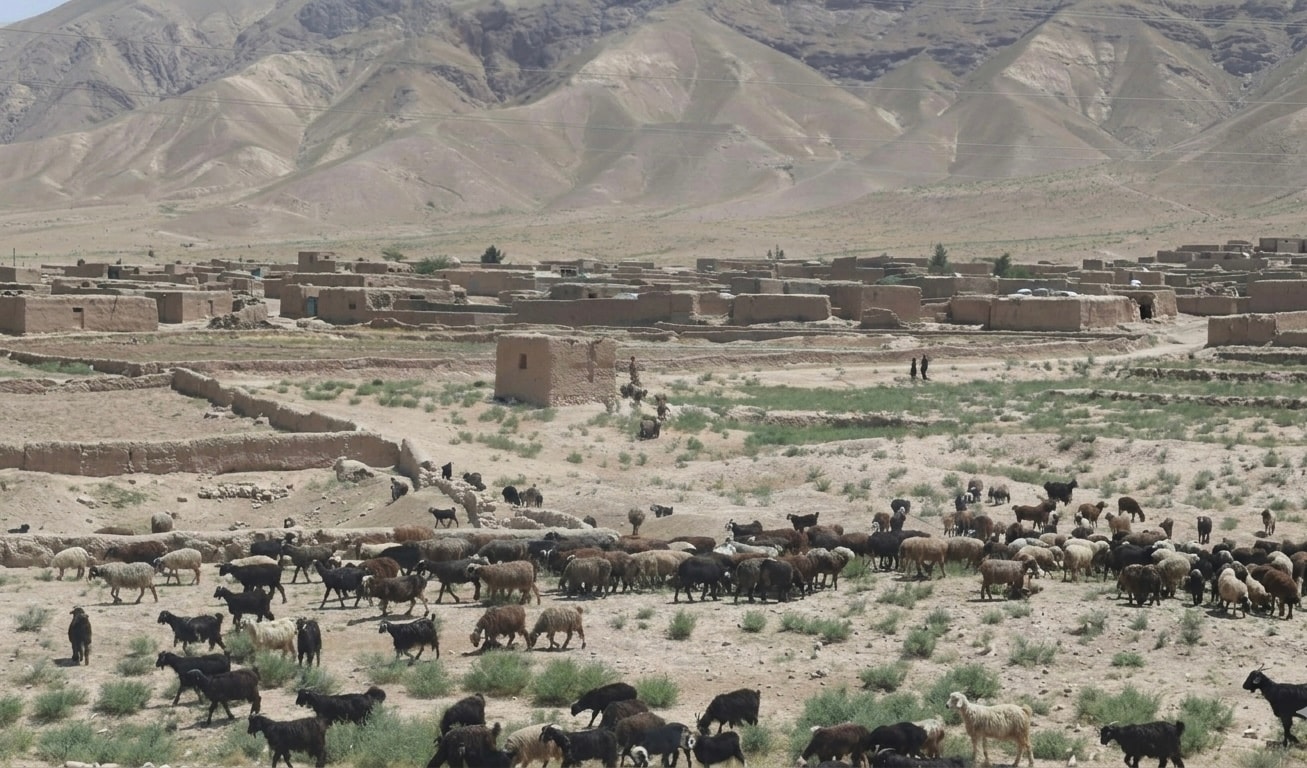
This year’s theme for World Day to Combat Desertification and Drought is “Rangelands: Know Them, Value Them, and Restore Them.” UNAMA emphasized that rangelands are vital for pastoral communities and the preservation of Afghanistan’s natural ecosystems, but a significant portion of these resources has been degraded in recent years.
According to the mission, recognizing the value of rangelands, leveraging the knowledge and experience of local communities, and investing in natural resource restoration programs can help enhance Afghanistan’s resilience to the impacts of climate change.
UNAMA also stressed the importance of supporting sustainable land management and empowering local communities, particularly women, as key measures to address environmental crises.
Afghanistan is among the countries most affected by climate change, despite contributing only around 0.1 percent of global greenhouse gas emissions.
Recurring droughts, shifting seasonal patterns, devastating floods, the expansion of deserts, and the destruction of rangelands, forests, and wetlands are among the most significant impacts of climate change in the country.
However, United Nations agencies say that investment and financial support to address these challenges and mitigate the effects of the climate crisis in Afghanistan remain very limited and insufficient.
Writer:Salima Aryaei