
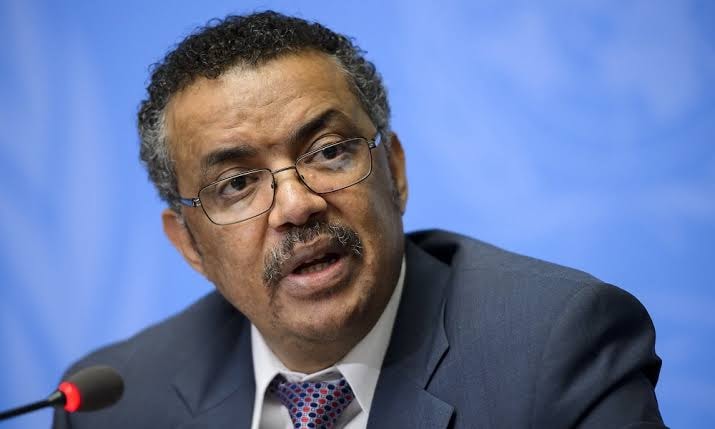
Tedros Adhanom, Director-General of the World Health Organization (WHO), in an open letter to residents of Tenerife, sought to ease concerns over the docking of the cruise ship Hondius. He emphasized that hantavirus is not a threat comparable to COVID-19, and the risk of this virus spreading to Tenerife residents is assessed as “low.”
According to him, none of the ship’s passengers currently show symptoms of illness, and a WHO expert has been stationed on the vessel to monitor the situation.
The cruise ship Hondius had been drifting at sea for weeks after cases of the “Andes” strain of hantavirus were identified. This virus, primarily transmitted through rodents, can cause severe respiratory illness and kidney failure.
Concerns over the ship docking in Tenerife, particularly given memories of the COVID-19 pandemic, have sparked reactions among local residents. However, WHO and Spanish authorities have stressed that the risk of widespread transmission under current conditions is low, and the transfer of passengers will be carried out under strict health and security measures.
In his letter, Tedros Adhanom wrote: “This must be communicated with transparency; this is not another COVID-19.” He added that the “Andes” strain of hantavirus identified on this ship is a serious illness and has so far claimed three lives, but WHO’s assessment indicates the risk to the daily life of Tenerife residents remains low.
The WHO Director-General also announced that the Spanish government has prepared a “precise and well-planned” operation to transfer passengers to shore. According to this plan, passengers will be moved at the industrial port of Granadilla, away from residential areas, in sealed vehicles under security measures along a fully controlled route to the shore, and then returned directly to their home countries.
In another part of the letter, he thanked Spanish Prime Minister Pedro Sánchez for allowing the ship to dock, calling the action “an example of solidarity and ethical responsibility.”
Tedros Adhanom said that Tenerife was chosen to host the ship in accordance with international health regulations and because the island has the necessary healthcare infrastructure and facilities.
The WHO Director-General also stated that he will personally travel to Tenerife to closely follow the operation and to express gratitude to healthcare workers, port personnel, and local authorities.
He concluded the letter by writing: “Viruses do not understand politics and do not respect borders. The best protection we have is solidarity.”
In the first week of May 2026, a rare and deadly outbreak of hantavirus on the cruise ship Hondius drew the attention of global health authorities. The ship, which had departed from Ushuaia, became the focus of an international tracking and quarantine operation after several passengers developed severe respiratory illness and some died.
The ship carried about 150 passengers and crew. The first victim was a Dutch man who died on the ship on April 11. His body was removed from the ship two weeks later on Saint Helena Island. His wife also disembarked on the same island and, after being transferred to South Africa, fell seriously ill at Johannesburg Airport and died. Subsequently, a German woman also died on the ship, and several others showed severe respiratory symptoms and fever.
Writer:Salima Aryaei