
Only 40–42% of Afghans Have Access to Electricity; Rural Areas Remain Underserved.
The United Nations Development Programme (UNDP) said on Sunday, 23 August, that only 40–42 percent of Afghanistan’s population has access to the national electricity grid. According to the report, nearly 90 percent of this access is concentrated in urban areas, while a large proportion of rural communities continue to lack reliable access to electricity.
The UN agency said limited access to reliable electricity remains one of Afghanistan’s biggest challenges. According to the agency, insufficient and unstable electricity supplies have negatively affected the health and education sectors, household livelihoods, economic activity, and local economic growth.
Citing the difficulties of extending the electricity grid to remote and sparsely populated areas, UNDP identified decentralized renewable energy systems as a practical solution for providing electricity to these communities. Such an approach could meet local electricity needs without complete reliance on the national grid.
In recent years, the agency has worked to support the continuity of essential services and economic activities by installing solar panels and battery storage systems in schools, health facilities, and women’s markets. These systems can help meet part of the essential electricity needs of such facilities during power outages.
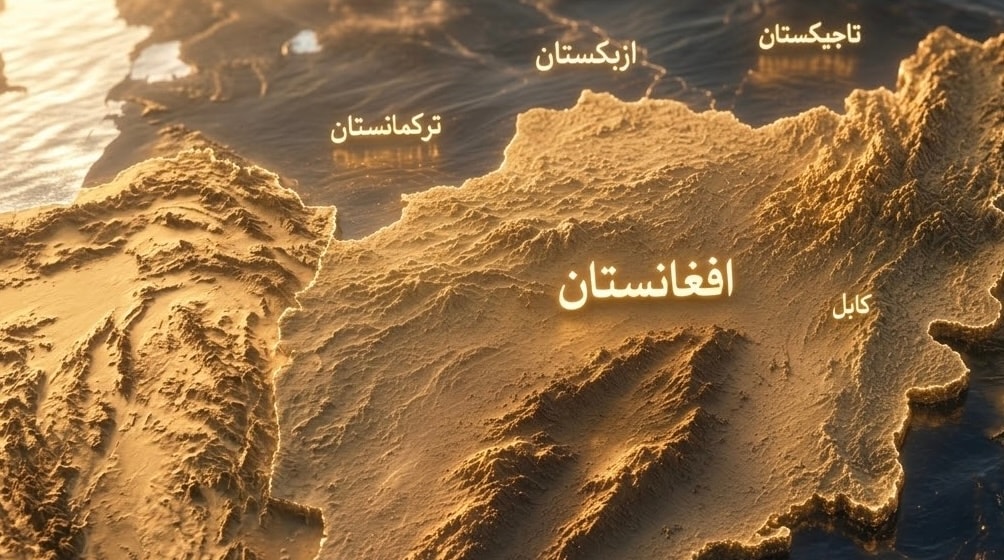
Despite pledges by the Taliban in recent years to increase domestic electricity generation and expand energy projects, Afghanistan continues to import a significant share of its electricity from neighboring countries. Uzbekistan, Tajikistan, and Turkmenistan are among the country’s main suppliers of imported electricity.
Dependence on imported electricity, limited domestic generation capacity, and the lack of a reliable nationwide power grid have been cited as key factors behind the instability of electricity supplies. The situation is particularly challenging in rural areas, where access to the electricity network remains extremely limited.
UNDP has emphasized that expanding renewable energy solutions, particularly decentralized solar systems, could play an important role in improving electricity access for underserved communities and strengthening essential services and economic activities across Afghanistan.
Writer:Salima Aryaei