
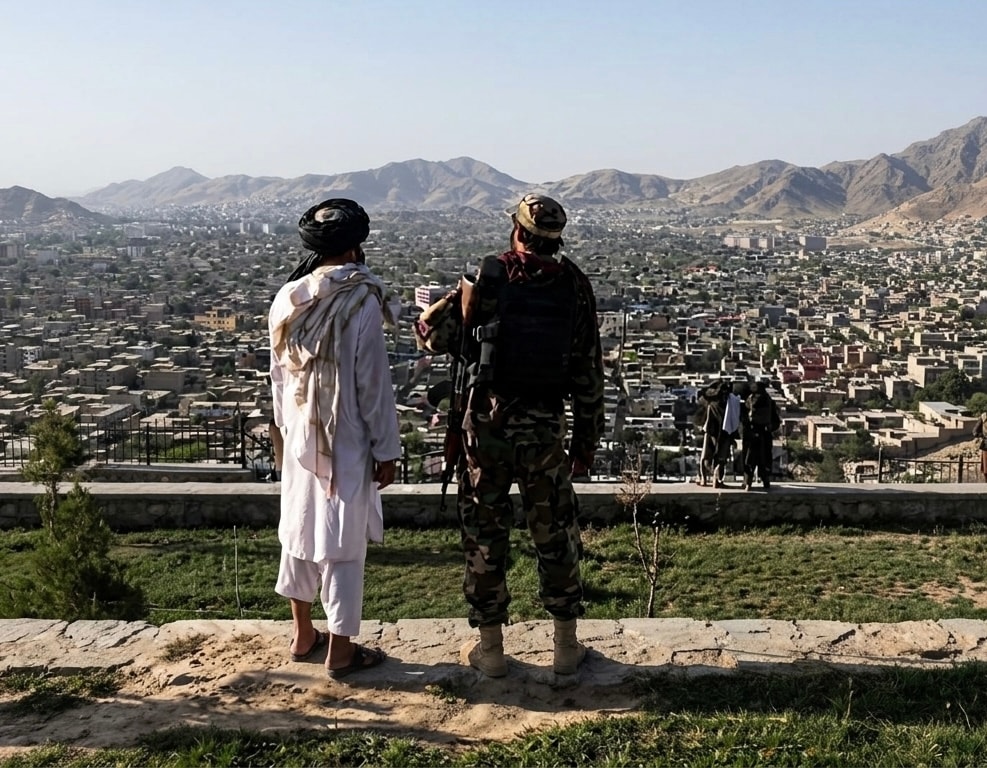
A resident of Kabul says that Taliban forces in some areas of the capital are collecting 100 Afghanis door-to-door from residents, telling people that the money is allocated to covering mosque expenses and the salary of the imam.
The citizen, who requested anonymity due to security concerns, told media outlets that Taliban members visit homes every week and collect 100 Afghanis from each household. According to him, the Taliban officials describe this practice as fundraising for mosque-related expenses and the imam’s salary.
He stressed that many families are living in difficult economic conditions and are unable to afford additional expenses. He added that increasing financial pressure has made it difficult for some citizens to pay such amounts.
The Kabul resident also said that the presence of armed Taliban members during the collection of money prevents people from expressing opposition. He noted that under such circumstances, many citizens feel they are unable to refuse the request.
He also criticized the increasing number of mosques in some parts of Kabul, saying that in certain areas of the city, mosques have been built very close to one another. According to him, if funding for these institutions is already difficult to secure, the increasing number of mosques raises questions among citizens.
Previously, some Afghan citizens have also criticized Taliban-led fundraising under various pretexts. Some consider these actions a form of financial pressure on families already struggling with poverty and unemployment.
Meanwhile, Afghanistan continues to face a severe humanitarian and livelihood crisis. The United Nations has stated that in 2026, approximately 21.9 million people about 45 percent of the country’s population will require humanitarian assistance.
According to the UN report, the most urgent needs include access to food, treatment for acute malnutrition, basic healthcare services, clean drinking water, and protection services. The organization warns that 17.4 million people in Afghanistan are facing acute food insecurity, with the possibility of this number increasing further.
The UN also reported that reductions in international funding have limited food assistance coverage and weakened the capacity of relief organizations to respond to growing needs.
According to the report, around 4.9 million children under the age of five, as well as pregnant and breastfeeding women, require treatment for acute malnutrition in Afghanistan. Relief agencies have repeatedly warned that poverty, unemployment, and declining foreign aid are placing millions of Afghan families under severe economic strain.
Writer:Salima Aryaei