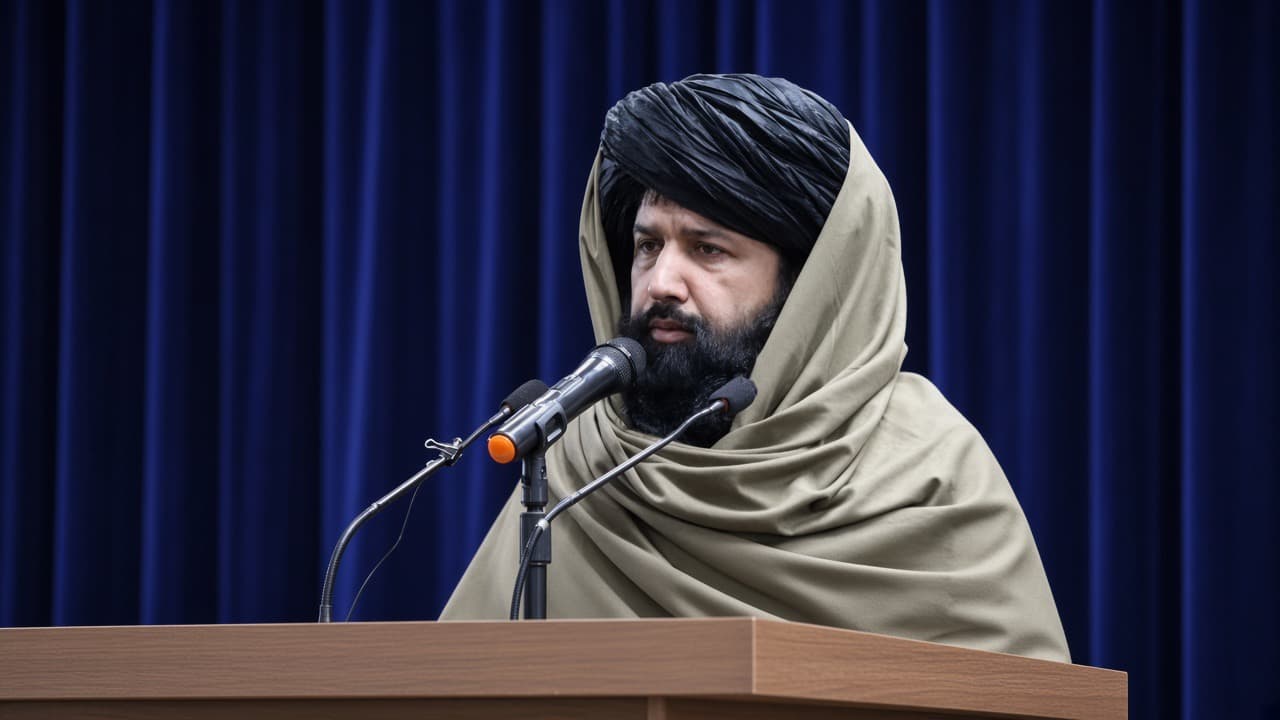

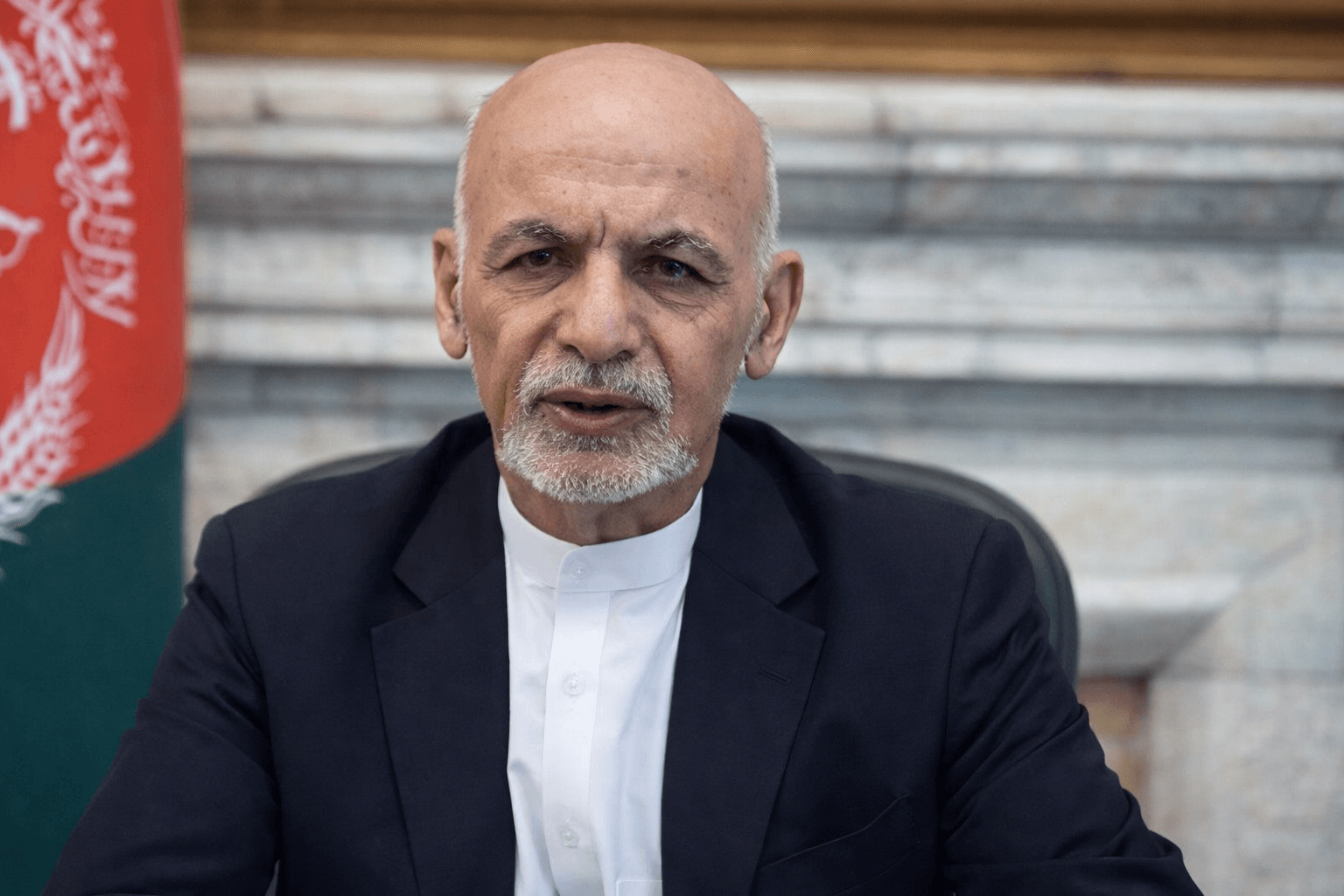
Former Afghan President Ashraf Ghani has warned that Kabul is on a path to becoming the world’s first capital city to run out of water. He said that during his presidency, plans had been developed to secure Kabul’s water supply, but according to him, a lack of attention to national interests and the failure to achieve a fair peace agreement prevented those plans from being implemented.
In a podcast on Thursday, 18 Saratan (July 9), Ghani discussed water management, particularly the issue of the Helmand River’s water resources. Referring to a well-known Afghan proverb, he said: “The water is in the jug, yet we wander thirsty.” He used the phrase to highlight the country’s existing water potential and the challenges surrounding the management of its resources.
In recent years, the expansion of unregulated construction, extensive concrete paving, the drilling of deep wells, inefficient sewage systems, and population growth have placed significant pressure on Kabul’s groundwater reserves. These factors have intensified concerns about the future of the capital’s water resources.
The International Crisis Group has also recently warned that, if the current trend continues, Kabul’s underground water reserves could be completely depleted by 2030. The organisation stressed that continued excessive extraction of groundwater will increase the risk of severe water shortages.
Signs of this crisis are already visible across different parts of Kabul, where groundwater levels have declined significantly in many areas. The situation has made access to drinking water increasingly difficult for a number of residents.
Environmental expert Kazim Homayoun told Afghanistan International that, in less than three decades, Kabul has transformed from a city with relatively stable water resources into one of the most vulnerable cities in the region. He warned that continuing the current trajectory could have far-reaching consequences for the city’s residents.
Homayoun cautioned that if the current conditions persist, by 2030 or even sooner, parts of Kabul including Dasht-e-Barchi, Karte-4, Khwaja Rawash, Taimani, Company, Deh Afghanan, Shahr-e-Naw, and surrounding areas could face widespread drying of water wells.
He further emphasised that the risk of a sharp decline in groundwater reserves is not limited to Kabul alone. According to him, cities such as Herat and Mazar-e-Sharif are also facing similar challenges. He stressed that sustainable water resource management is essential to preventing the further expansion of this crisis.
Writer:Salima Aryaei