
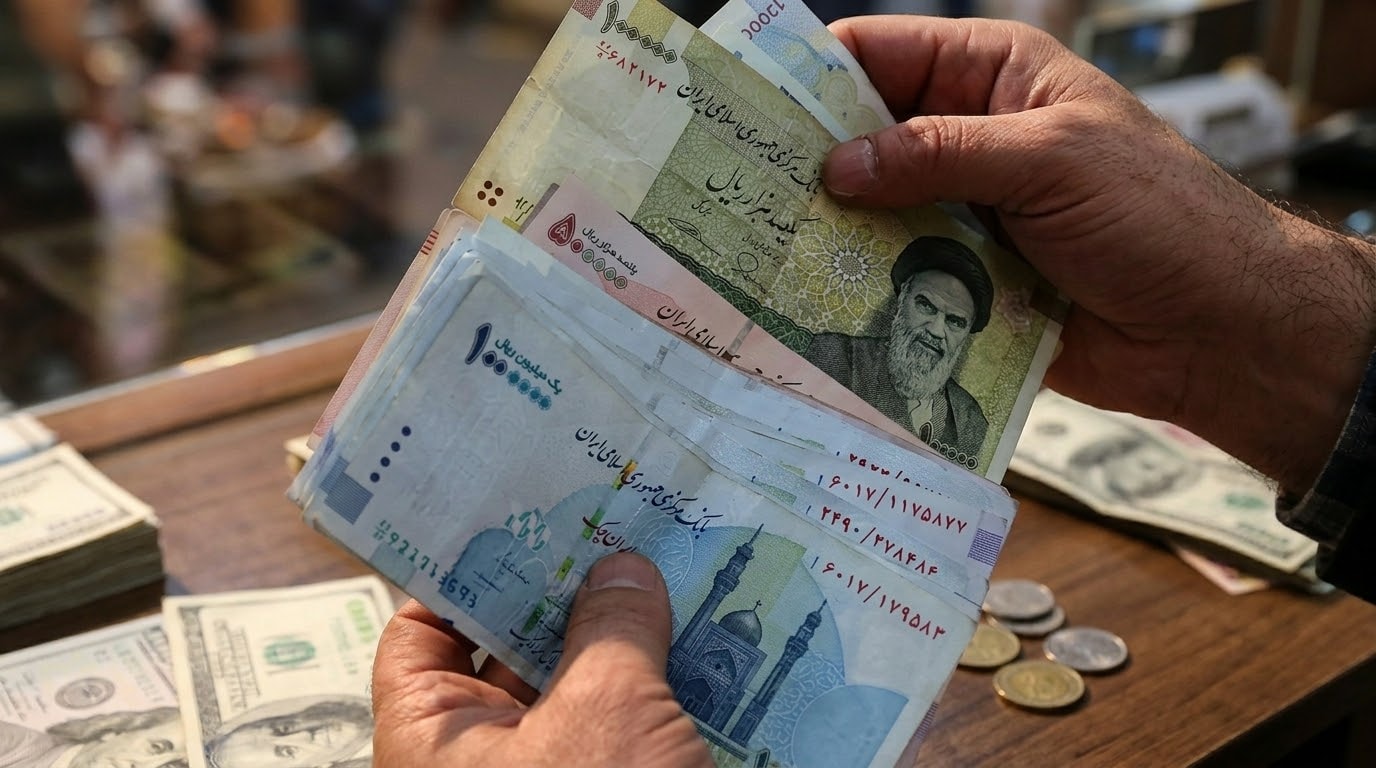
One day after the United States announced a new campaign of economic pressure against Iran, major American media outlets appeared to share a common assessment: the new sanctions could inflict further damage on Iran’s economy, but serious doubts remain about whether such pressure will be sufficient to change Tehran’s behavior.
Fox News, which is regarded as relatively close to U.S. President Donald Trump, offered a more optimistic assessment than other media outlets. The network reported that Iran’s oil exports had fallen from approximately 1.5 million barrels per day most of which had been sold to China before the war to around 500,000 barrels per day.
Citing Iran’s high inflation rate and significant increases in food prices, Fox News wrote that the country’s economy is under severe pressure. However, the network also emphasized that while U.S. economic policies could make Iran poorer, it remains unclear whether such pressure will ultimately force Tehran to change its positions.
In reviewing the experience of sanctions during Barack Obama’s presidency, the network noted that the economic pressure imposed at the time eventually led to nuclear negotiations and the signing of the Joint Comprehensive Plan of Action (JCPOA), commonly known as the Iran nuclear deal. However, Iran was able to retain its right to uranium enrichment during that process. Fox News concluded that demonstrating the economic damage caused by sanctions is relatively straightforward, but determining the extent to which they achieve U.S. foreign-policy objectives is considerably more complicated.
Bloomberg, meanwhile, raised the question in a podcast titled “Iran’s Economic Lifeline” of whether Tehran can continue to generate sufficient revenue to sustain the political structure of the Islamic Republic. The outlet said the answer depends on several factors, including China’s policies, Iran’s ability to circumvent sanctions, and the trajectory of global oil prices.
The podcast emphasized that the central question is no longer whether Iran is under economic pressure the existence of that pressure is clear. The key issue is whether Iran can withstand these conditions for an extended period without causing serious disruption to its political system. Bloomberg’s analysts did not offer a definitive answer.
The Daily Beast podcast, by contrast, focused more heavily on the domestic political consequences of the war for the Trump administration. Its headline, “Trump’s Iran Policy Is Turning Into a Political Disaster,” reflected the central argument of the analysis.
The analysis argued that, based on the objectives Trump announced at the beginning of the war, none of those goals had been fully achieved. It also identified the rising economic costs of the war, particularly higher energy prices, as a factor that could gradually become a political challenge for the U.S. administration.
The Wall Street Journal likewise examined the consequences of the Trump administration’s economic pressure on Iran. Citing reports of increased consumer purchases and fuel shortages in some parts of Iran, the newspaper reported that the country’s oil exports had declined significantly.
Nevertheless, The Wall Street Journal also stressed that economic pressure has not yet brought Iran’s economy to its knees. Like Bloomberg, the newspaper highlighted China’s role in keeping Iran’s economic lifelines open, identifying China as one of the key factors enabling the continuation of Iranian oil exports and financial transactions.
The Wall Street Journal further argued that the Trump administration’s renewed strategy of intensifying sanctions faces a fundamental weakness: the White House has shown limited willingness to confront Chinese banks and financial institutions directly. According to the analysis, as long as these financial and commercial channels remain open, Iran can continue to preserve at least part of its economic activity and oil exports.
Taken together, these assessments suggest that, despite differences in how American media outlets analyze the consequences of sanctions and the war, they broadly agree on one point: economic pressure on Iran has intensified, but translating that pressure into a clear political outcome remains far from certain. China’s role, Iran’s ability to circumvent sanctions, and conditions in the global oil market are among the factors that could ultimately determine the outcome of the U.S. economic pressure campaign.
Writer:Salima Aryaei