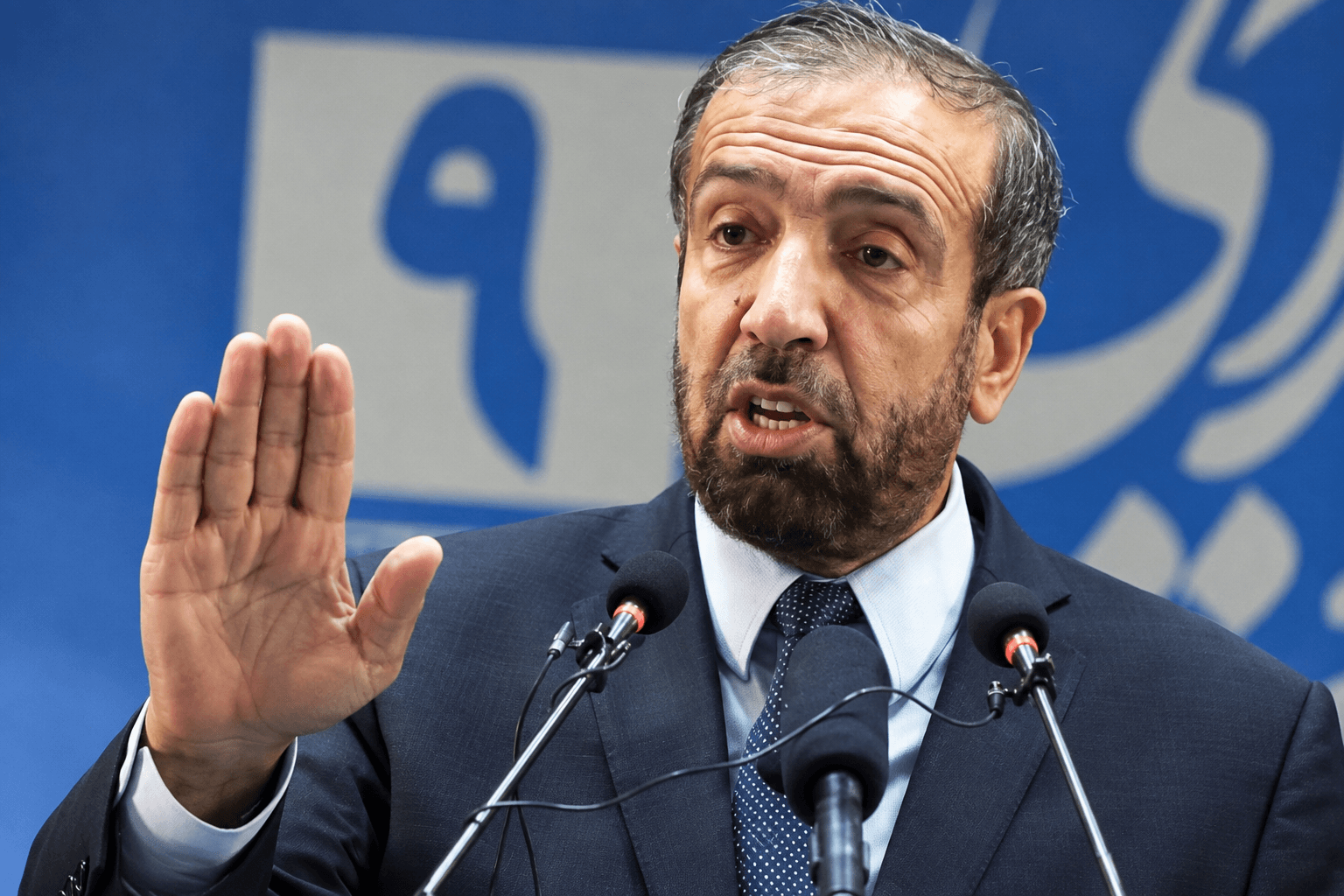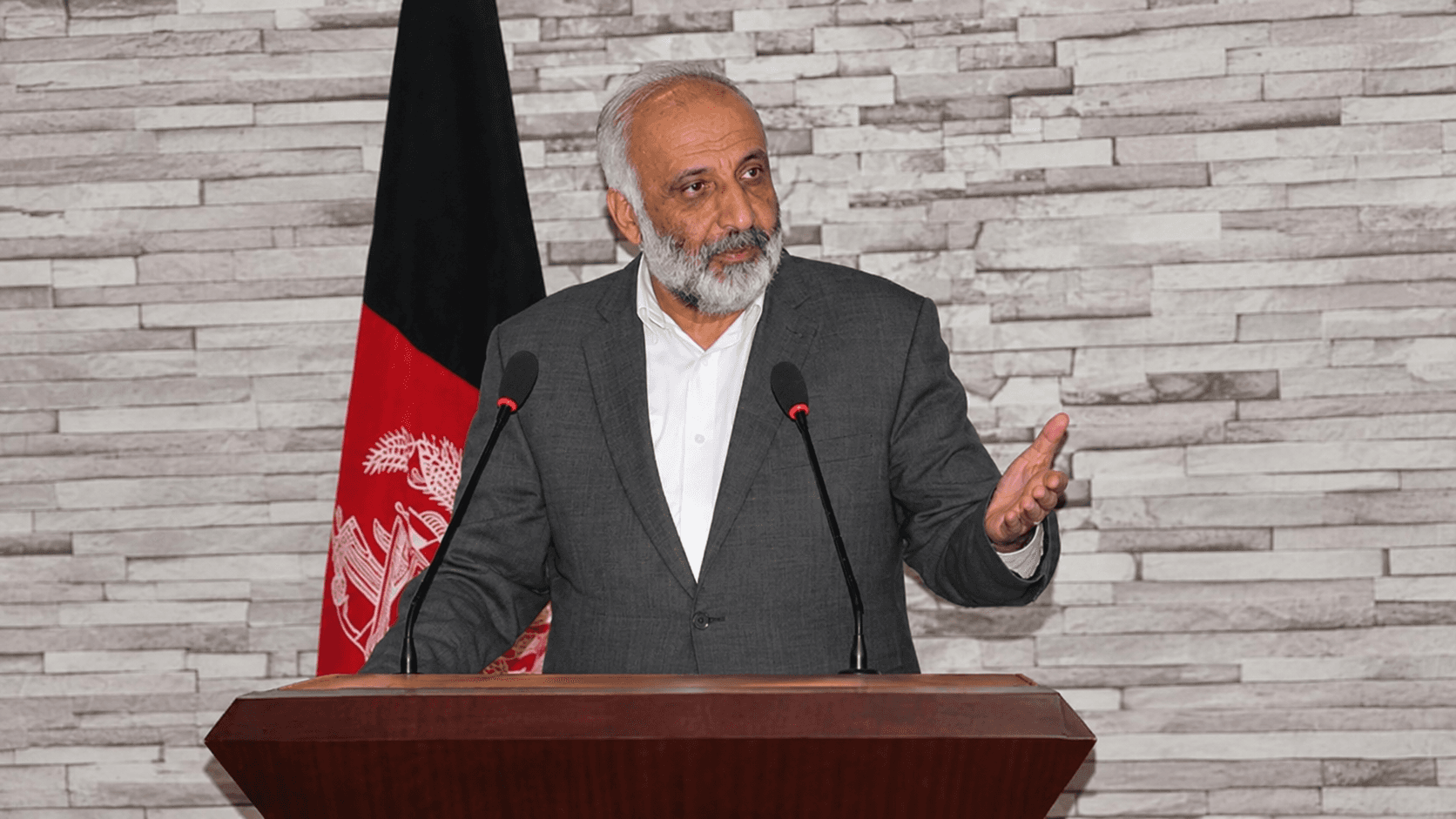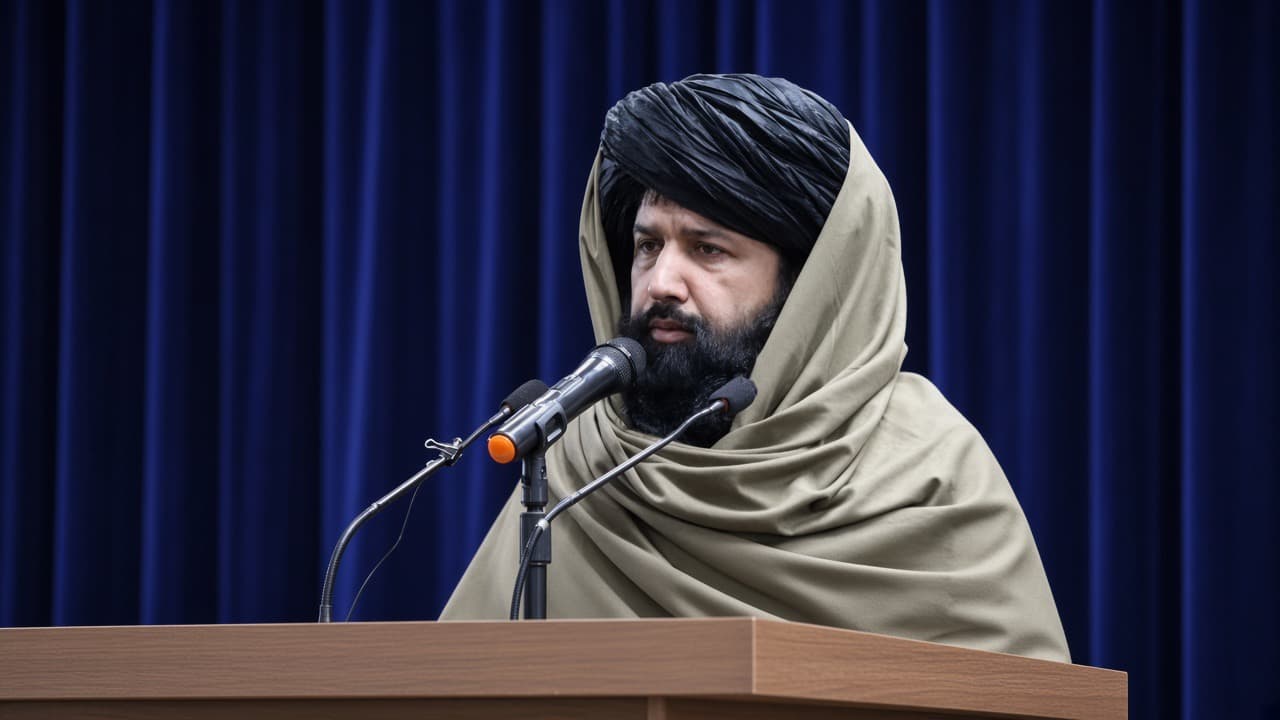


Naseer Ahmad Faiq, Afghanistan’s Chargé d’Affaires to the United Nations, has said that the destruction of Afghanistan’s historical sites and cultural heritage is not something to be proud of, in response to recent remarks by Abdullah Sarhadi, the Taliban’s former governor of Bamiyan.
Faiq wrote on X on Tuesday, September 3, that the deliberate destruction of the Bamiyan Buddha statues was “a crime against the history, identity, and collective memory of a nation, and a betrayal of future generations.”
Abdullah Sarhadi, a former Taliban governor of Bamiyan, said in a recent interview that, at the time, he regarded the destruction of the Buddha statues as a religious obligation, based on an order from Taliban leader Mullah Mohammad Omar and their interpretation of Islam. He also rejected any suggestion that he regretted the decision.
Faiq said the Bamiyan Buddhas were not merely a few stone statues, but an integral part of Afghanistan’s thousands-of-years-old history and clear evidence of the region’s important place in human civilization.
He stressed that the deliberate destruction of such historical heritage cannot be justified in the name of religion. He added that Islam is not an enemy of knowledge, culture, or history, and that ignorance, superstition, and extremist and distorted interpretations of religion do not represent the beliefs of Afghanistan’s Muslim population.
The Bamiyan Buddha statues were destroyed in March 2001 on the orders of Taliban leader Mullah Mohammad Omar. Their destruction sparked widespread international condemnation at the time.
Writer:Salima Aryaei