
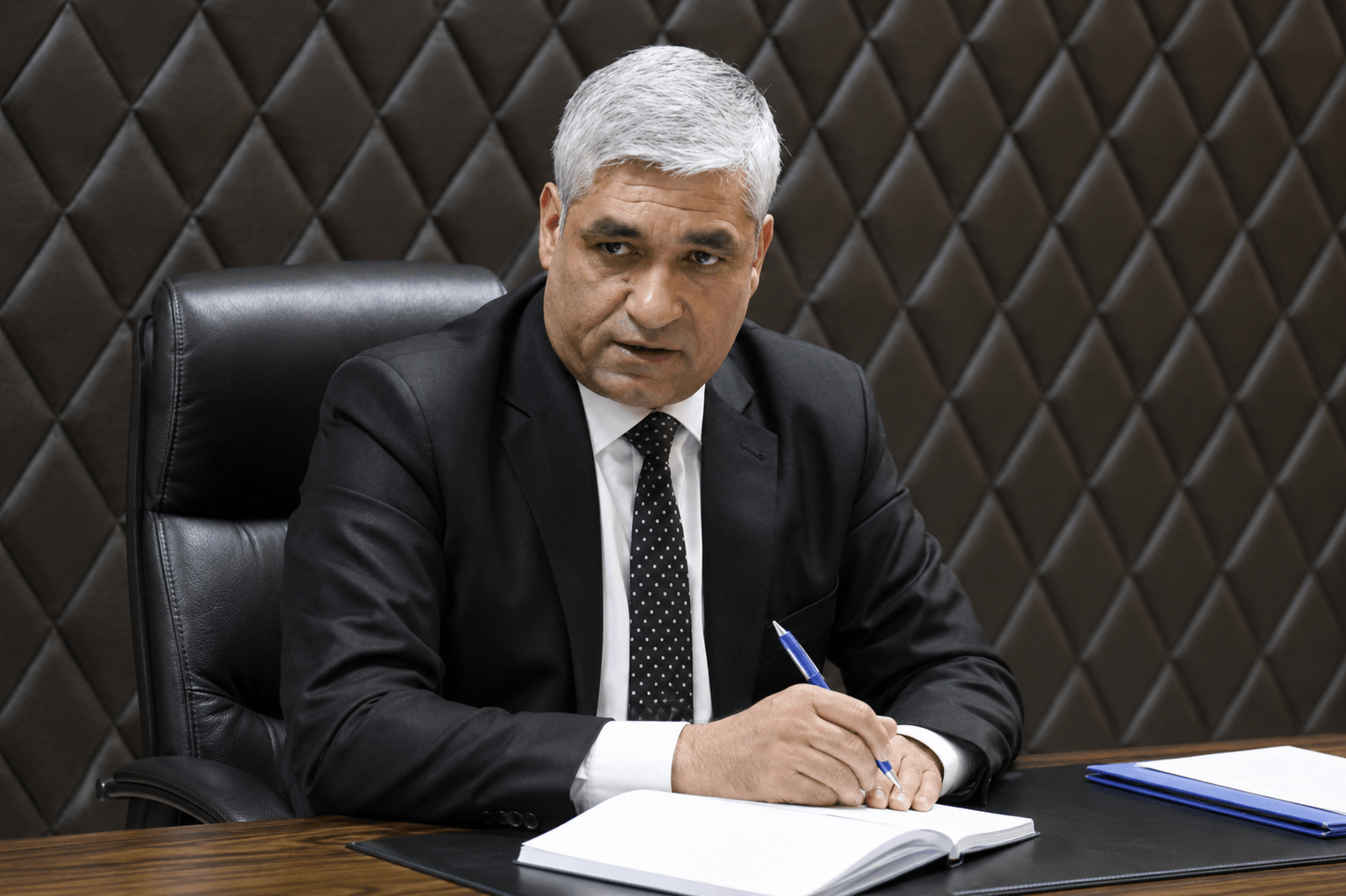
Farid Hamidi, Afghanistan’s former attorney general, says the Taliban dismantled Afghanistan’s legal system built over two decades in less than 11 days after returning to power. According to Hamidi, there is no such thing as a “concept of a legal system” under the Taliban administration.
In an article published on Wednesday, May 27, in Just Security, he wrote: “The Taliban have destroyed the concept of a legal system, and their courts both investigate criminal cases and rule on them.”
According to Hamidi, after the fall of Kabul, the Taliban released thousands of prisoners, including individuals accused of serious crimes, drug traffickers, murderers, and members of armed groups people who, he said, had been convicted by the previous judicial system.
Hamidi wrote that following the Taliban’s takeover, a wave of targeted killings of prosecutors began. Citing the Association of Afghan Prosecutors in Exile, he said that since August 2021, at least 57 prosecutors and their family members have been killed.
He added that more than 3,800 former prosecutors and employees of Afghanistan’s judicial and legal institutions are still living in hiding inside the country individuals whom he described as “the institutional memory of Afghanistan’s justice system.”
The former attorney general said many of these individuals were killed by the same criminals or groups they had previously prosecuted. He referred to the killings of three prosecutors in Nangarhar, Farah, and Kabul during the first weeks after the Taliban’s return to power, saying these incidents “were not accidental.”
Hamidi also said the Taliban dismissed all female prosecutors from their jobs, and many are now either living in hiding or have fled to Pakistan and Iran, where, according to him, the risk of forced deportation back to Afghanistan is serious.
In another part of his article, he wrote that the Taliban “did not create a new legal system; rather, they destroyed the very concept of a legal system.” According to him, under the Taliban’s current structure, judges simultaneously act as investigators, prosecutors, and final decision-makers, while women are not allowed to appear in court without a male guardian.
Hamidi also referred to the Taliban’s “Criminal Procedure Code for Courts,” issued in January 2026, saying that the law considers domestic violence a crime only if it causes severe injury or broken bones, and imposes prison sentences on women who visit their families without their husband’s permission.
He added that 1,825 women are currently being held in Taliban prisons, representing a 435 percent increase compared to the time when the Taliban returned to power.
Hamidi urged the international community not to normalize relations with the Taliban without considering women’s rights and the safety of former Afghan judicial officials. He emphasized: “Justice in Afghanistan has not ended; it has been suspended.”
Writer:Salima Hakimi