
Saif-ul-Islam Khyber, spokesperson for the Ministry for the Promotion of Virtue and Prevention of Vice, has responded to criticism of restrictions imposed on women’s dress by stating that absolute freedom does not exist in any country and that all governments impose legal limitations on their citizens.
In a post on X, he emphasized that just as governments require citizens to comply with laws such as tax obligations and traffic regulations, an Islamic government also has the right to enforce the social and moral principles it deems appropriate.
Khyber further argued that Muslim countries have the right to organize their social systems according to religious values, just as Western countries formulate their laws based on their own political and ideological frameworks.
At the same time, he described criticism of the Taliban’s strict policies as emotional and asserted that any misconduct by individual officials should not be attributed to Islam itself.
The ministry spokesperson added that society cannot be governed through advice alone and that law enforcement is an essential component of social administration, although guidance and religious instruction remain important Islamic principles.
Responding to critics who advocate public awareness and education rather than coercion, he questioned why the enforcement of mandatory laws in other countries is not considered coercive, while the implementation of laws under an Islamic system is frequently criticized as compulsion.
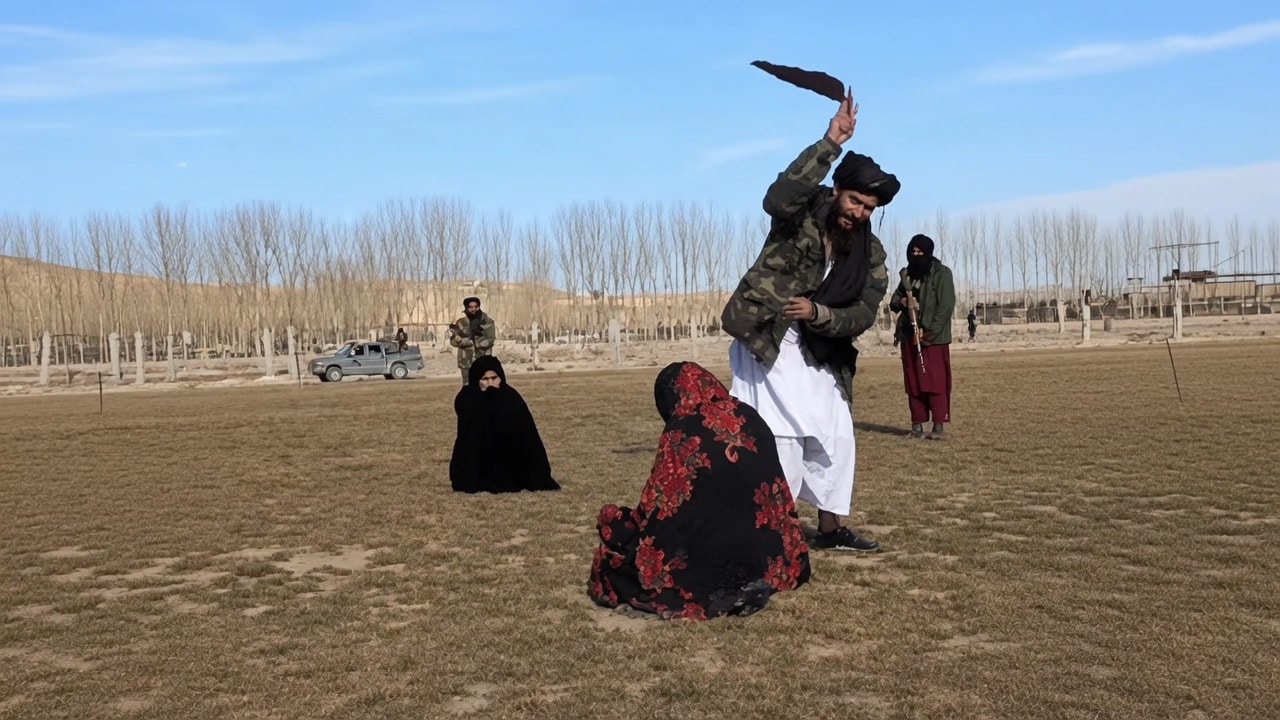
These remarks come amid reports of women being detained in Herat for allegedly failing to comply with hijab requirements, as well as reports of violent treatment of some protesters.
According to reports, during recent demonstrations in Herat, Taliban forces opened fire to disperse protesters. As a result, at least two people, including a child, were killed, and several others were injured.
Writer:Salima Aryaei