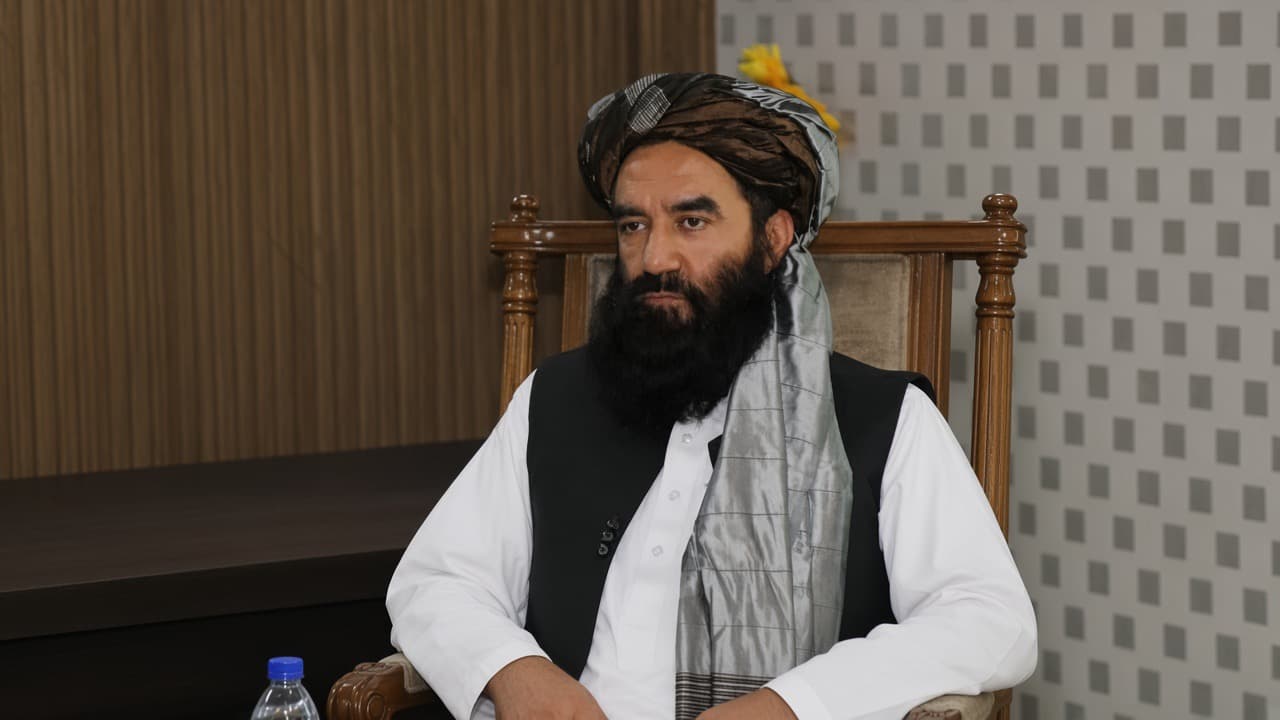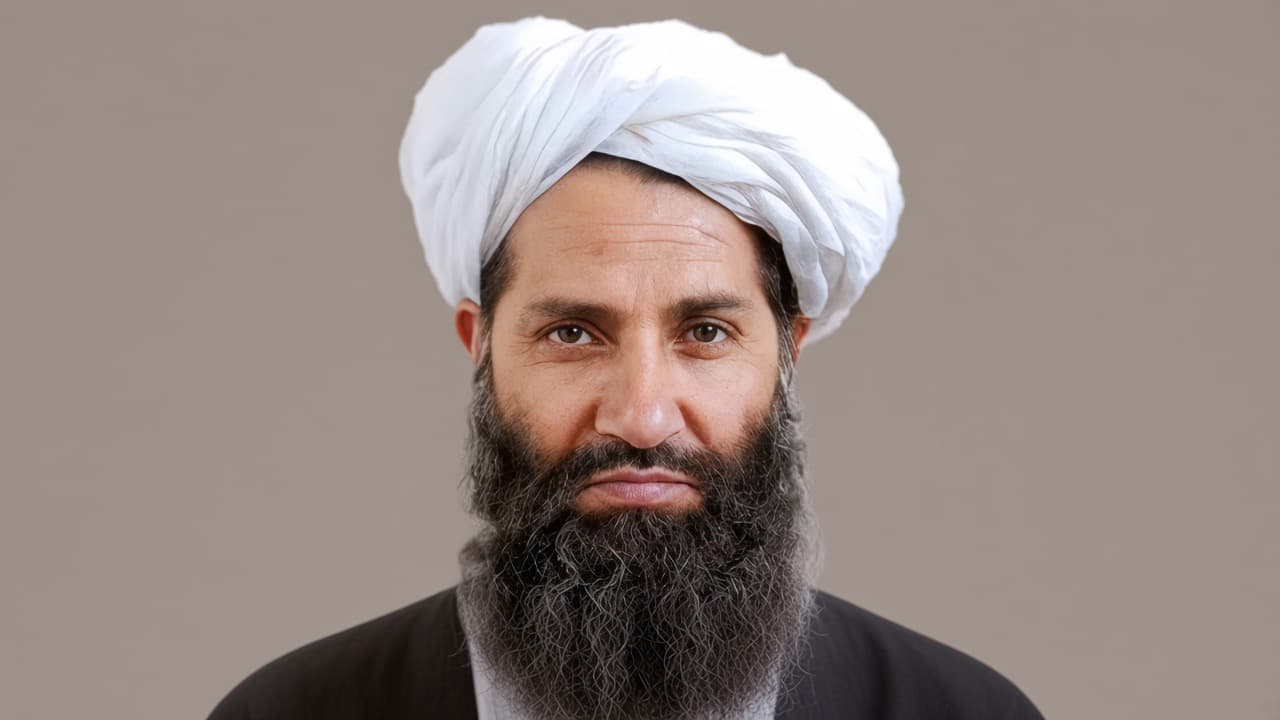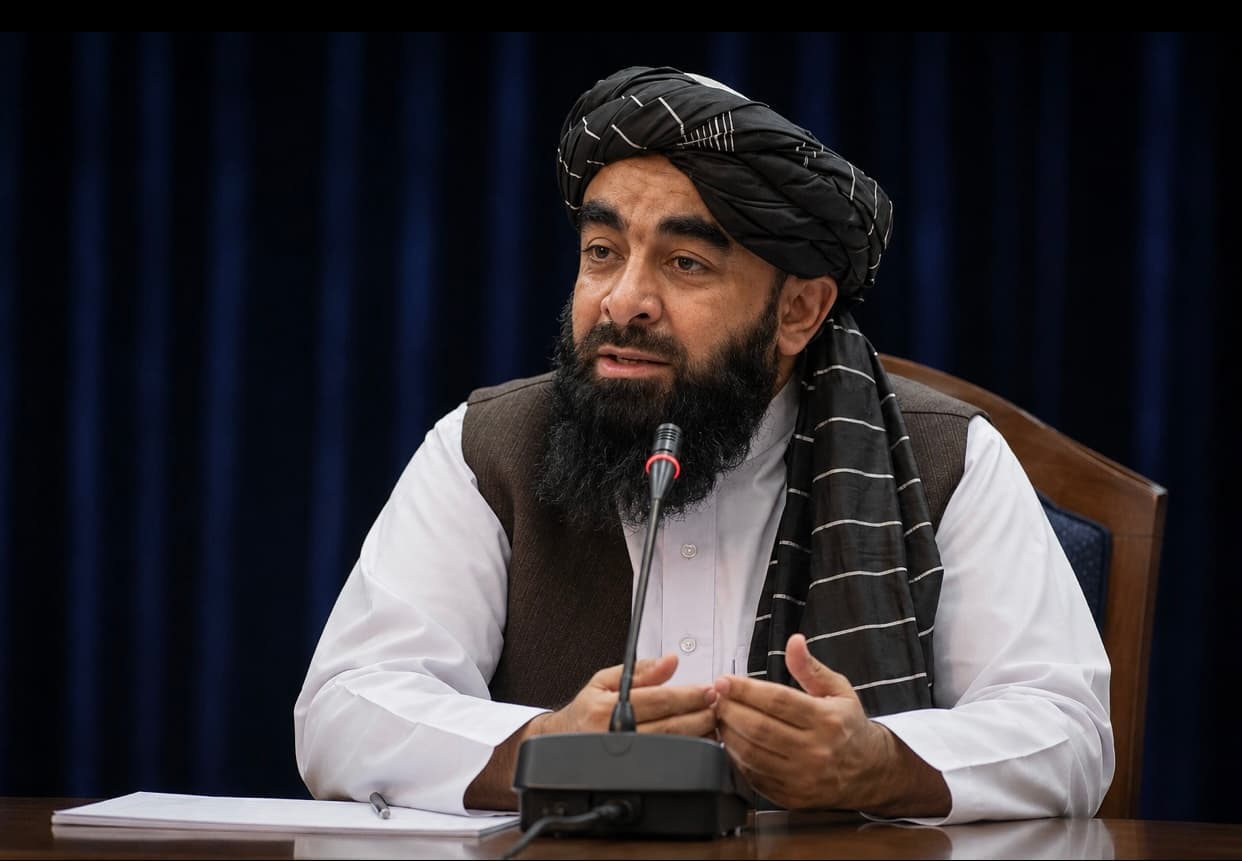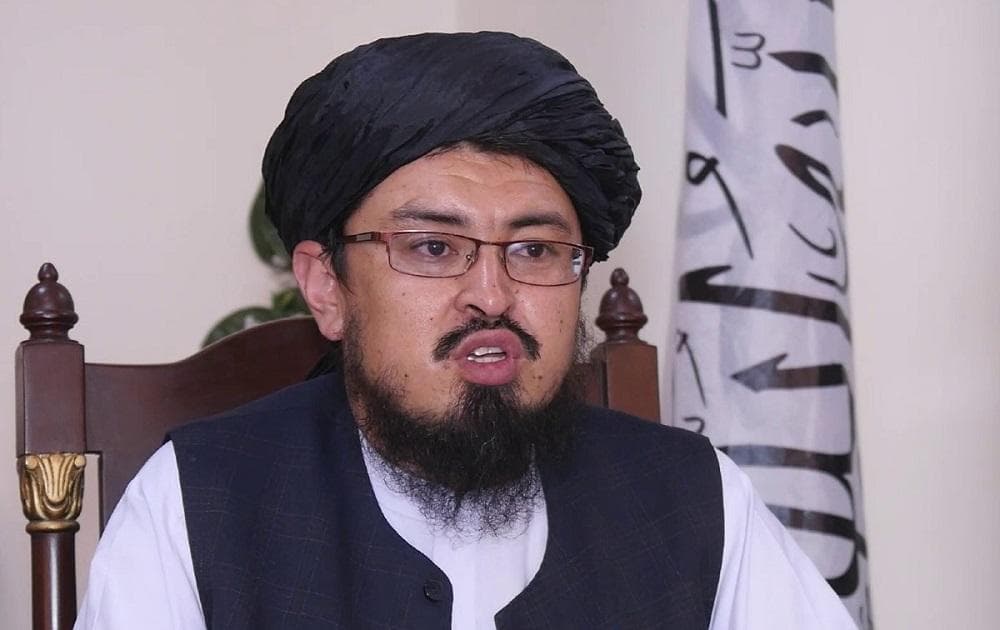

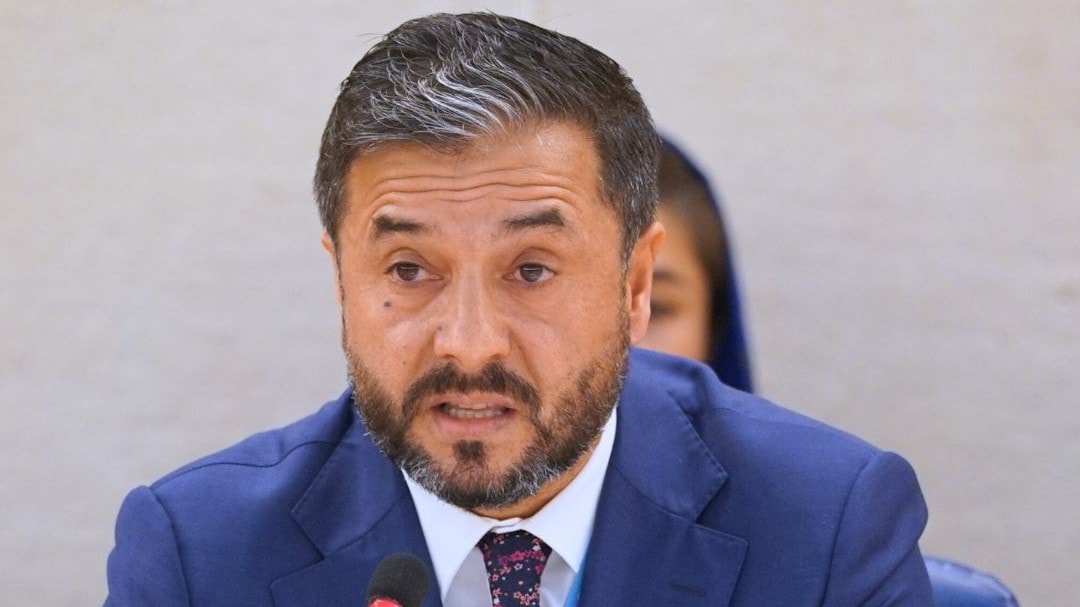
The Permanent Representative of Afghanistan in Geneva, Nasir Ahmad Andisha, stated at the 62nd annual session of the United Nations Human Rights Council that decrees issued by the Taliban leader should not be regarded as official laws of Afghanistan or as representative of the will and views of the people.
He emphasized that the people of Afghanistan do not support these unilateral decisions and that these policies do not reflect the aspirations of the population. These remarks came after the UN High Commissioner for Human Rights stated in his annual report that “Afghanistan has legalized child marriage.”
Andisha added that the people of Afghanistan are not only victims of these restrictive policies but have also protested against them in some areas. He described recent protests in Herat as a clear example of public reaction against the Taliban’s hardline policies.
He also said that the Permanent Mission of Afghanistan remains committed to constructive cooperation with the United Nations human rights system, the Office of the High Commissioner for Human Rights, and the United Nations Assistance Mission in Afghanistan (UNAMA), and continues its efforts to support the rights and dignity of all Afghans.
Meanwhile, reports indicate that restrictions on women in Herat have increased under the Taliban, and there have been documented cases of women being detained by the “Ministry for the Propagation of Virtue and Prevention of Vice,” raising further concerns.
Writer:Saeed Sameer