
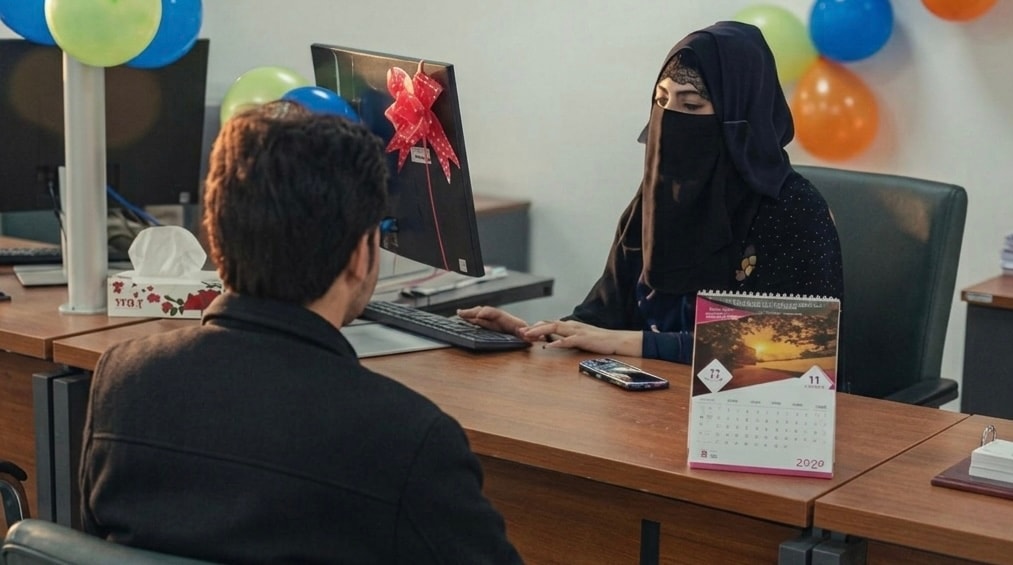
Pakistan’s Senate Standing Committee on Finance and Revenue has approved a resolution banning the mandatory enforcement of hijab for female employees at Islamic banks. The decision follows multiple complaints about strict workplace dress code policies at some banks, particularly Islamic financial institutions.
Pakistani media reported that during its meeting on Wednesday, July 29, the committee emphasized adherence to Pakistan’s national and customary dress code for all employees, regardless of gender. Senators said banks and financial institutions are not permitted to require female employees to wear attire such as the Arab-style hijab or other forms of non-national dress.
Pakistani Senator Zarqa Suharwardy Taimur said that some Islamic banks require female employees to wear the Arab-style hijab, while male employees face no comparable dress code requirements and enjoy greater freedom in choosing their attire.
Another Pakistani senator, Sherry Rehman, also stressed that no employee should be compelled to wear a particular type of clothing. She said Pakistan’s national dress, including the traditional shalwar kameez, is appropriate for women, noting that former Prime Minister Benazir Bhutto also wore the same attire.
Jameel Ahmad, Governor of the State Bank of Pakistan, told the meeting that similar guidelines had already been issued to banks last year. He added that updated guidelines would be circulated to all banks and Islamic financial institutions to prevent any unnecessary pressure on employees regarding their dress.
The meeting, chaired by Senator Saleem Mandviwalla, also directed all banks to submit their dress code policies for female employees to the Senate committee for review. The committee emphasized that its objective is to uphold customary national attire and that no specific form of dress or head covering should be made mandatory.
The decision comes as the Taliban continue to impose restrictions on women’s dress in Afghanistan. According to published reports, in some provinces, including Herat, women who fail to comply with the group’s prescribed hijab requirements face restrictions in accessing certain government and healthcare services.
Writer:Salima Aryaei