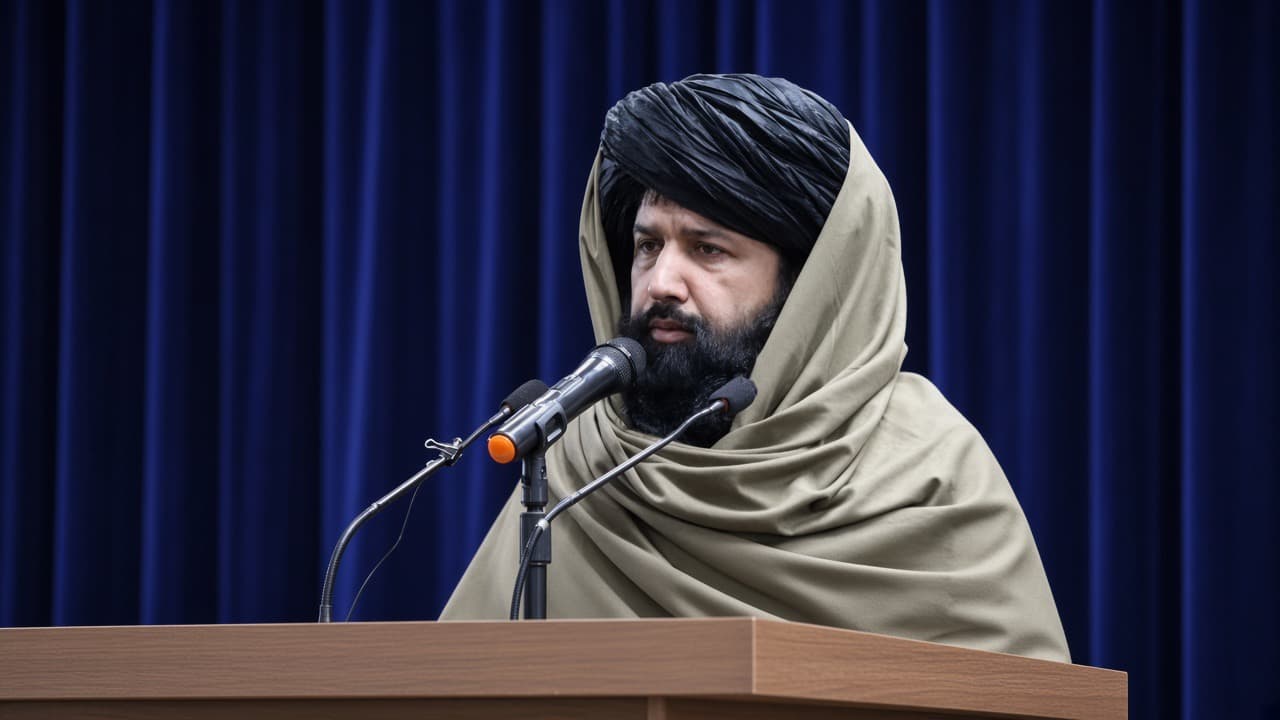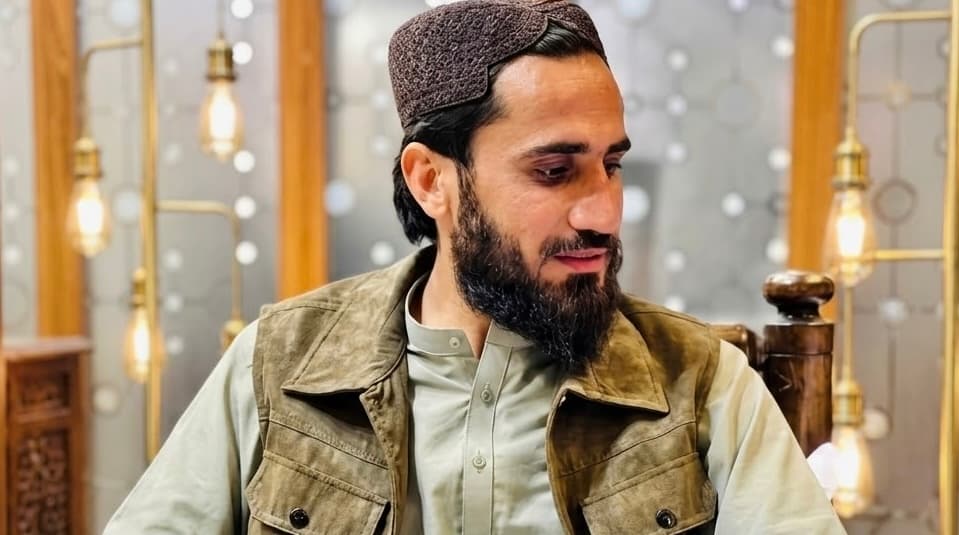

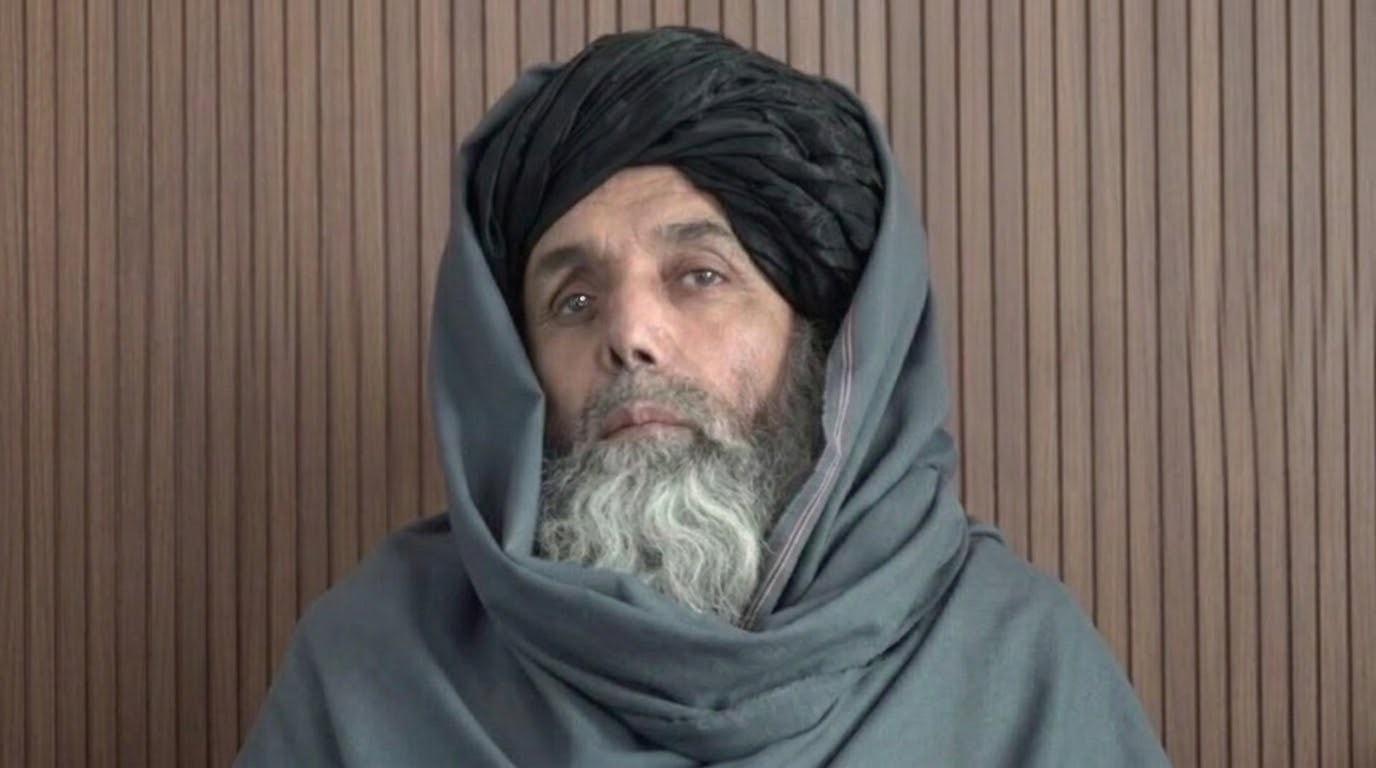
Abdullah Sarhadi, the Taliban’s former governor and military commander in Bamiyan, has told the BBC that he personally destroyed the giant Bamiyan Buddha statues in 2001.
Sarhadi, who served as the Taliban’s military commander in Bamiyan during the group’s first period in power, initially declined to give a direct answer when asked about the destruction of the ancient Buddha statues, but later accepted direct responsibility for the act.
In the interview, he said: “I destroyed it with my own hands.”
Explaining his position on the destruction of the historical monuments, Sarhadi said: “Whatever we have done and whatever we are doing is in accordance with God’s guidance and law.” He also said that the Taliban do not sell idols but destroy them, and therefore he sees no reason to regret the act.
The giant Bamiyan Buddha statues were destroyed in March 2001, during the Taliban’s first period in power, on the orders of the group’s leaders. The destruction prompted widespread condemnation and international outrage in Afghanistan and around the world at the time.
Abdullah Sarhadi was considered a close associate of Mullah Mohammad Omar, the Taliban’s former leader. During the group’s first rule, he served as the Taliban’s governor and military commander in Bamiyan.
The destruction of the Bamiyan Buddha statues remains one of the significant events in Afghanistan’s contemporary history and one of the most controversial examples of the Taliban’s treatment of the country’s cultural heritage and historical monuments.
Writer:Salima Aryaei