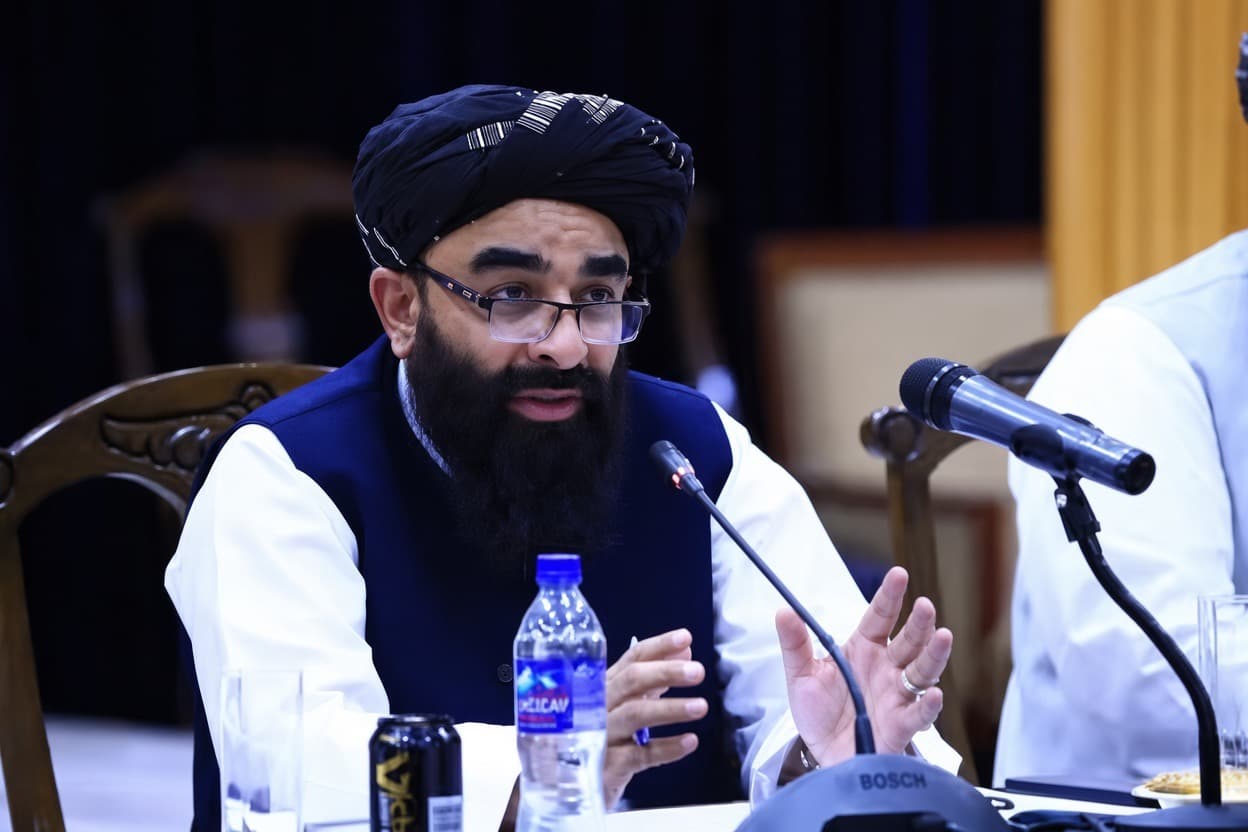

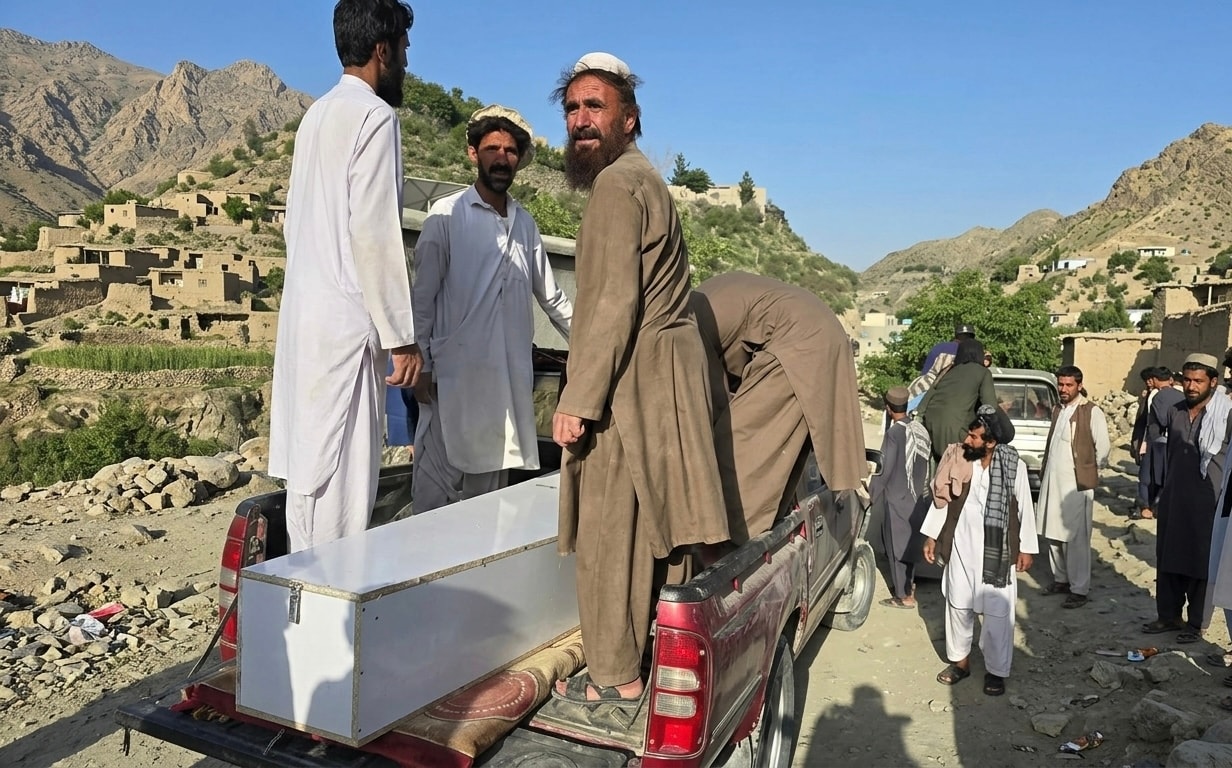
Security tensions between the Taliban and Pakistan have once again entered a new phase. On Wednesday, 10 June, Taliban spokesperson Zabihullah Mujahid claimed that Pakistani military airstrikes carried out overnight on parts of the provinces of Kunar, Khost, and Paktika killed at least 13 people and wounded another 14.
In a statement posted on the social media platform X, Mujahid alleged that the fatalities included 11 children, one woman, and one elderly man. According to him, several other women and children were also injured in the attacks.
The Taliban spokesperson further accused the Pakistani military of deliberately targeting civilian homes. He described the strikes as a “crime” and called for those responsible to be held accountable.
As of the time of publication, the Pakistani government had not responded to these allegations and had neither confirmed nor denied the reported strikes or their potential objectives.
The incident comes amid escalating tensions between the Taliban and Pakistan in recent months. The primary source of disagreement between the two sides has been the alleged presence and activities of armed groups hostile to Pakistan particularly the Tehrik-i-Taliban Pakistan (TTP) operating from Afghan territory.
Pakistani officials have repeatedly accused the Taliban administration of allowing members of the TTP and other militant organizations to use Afghanistan as a safe haven and staging ground for planning and launching attacks against Pakistan.
Islamabad maintains that a significant proportion of deadly attacks against its security forces are orchestrated and coordinated by individuals based across the border in Afghanistan.
The Taliban, however, have consistently rejected these accusations, insisting that they do not permit any individual or group to use Afghan soil to threaten other countries. Taliban officials have also characterized Pakistan’s security challenges as an internal matter and have urged Islamabad to address them through its own domestic security policies.
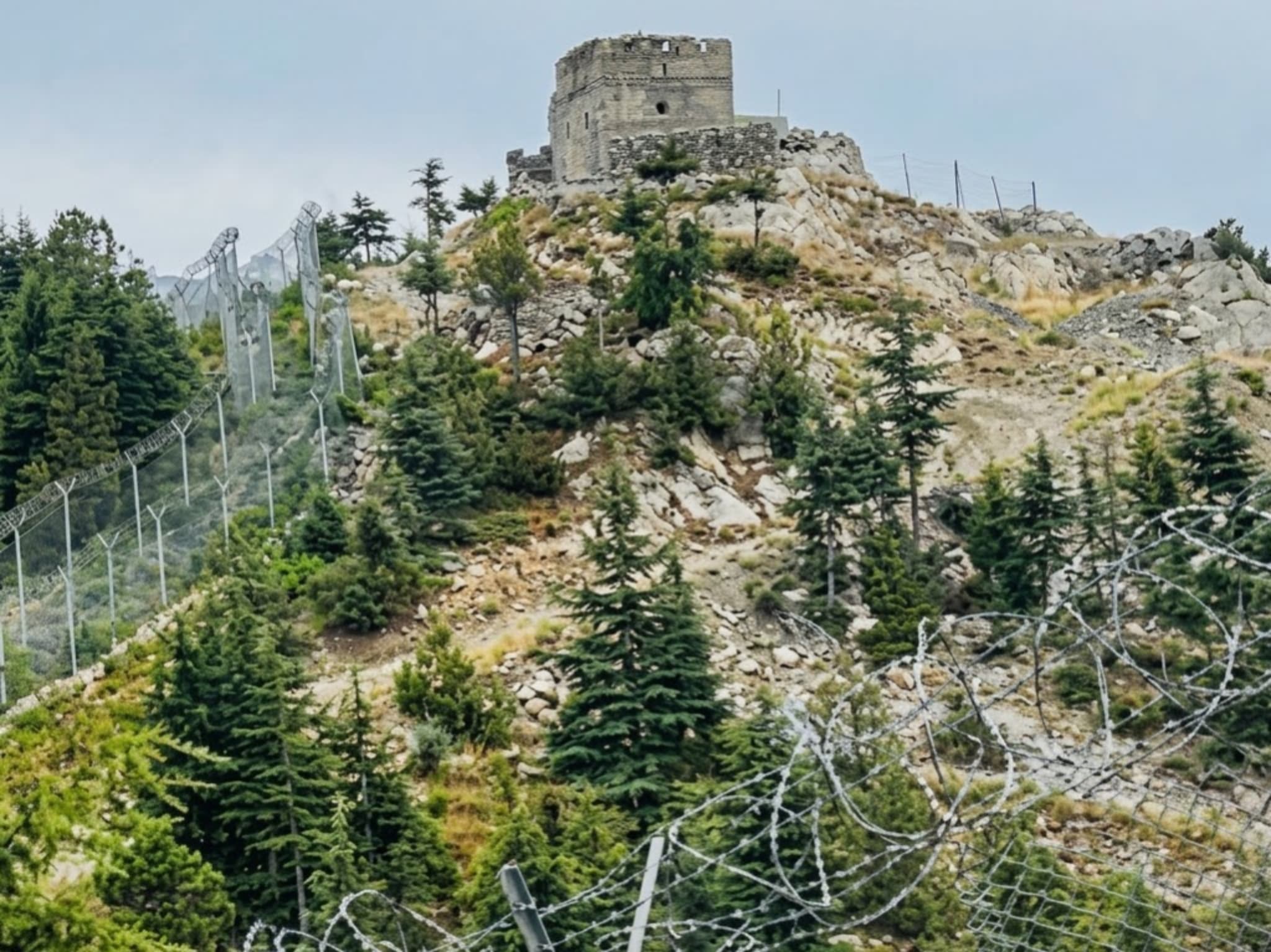
The disagreements between the two sides extend well beyond the TTP issue. Since the Taliban’s return to power, disputes over the Durand Line, border clashes, the construction of security installations along the frontier, cross-border military operations, and Pakistan’s large-scale deportation of Afghan migrants have repeatedly strained relations between Kabul and Islamabad.
The alleged airstrikes were reported shortly after Taliban and Pakistani officials held talks in the Chinese city of Urumqi under China’s mediation. Although both parties emphasized the importance of continuing dialogue and consultation, no visible breakthrough emerged regarding their most critical security disputes.
Following the meeting, China’s Ministry of Foreign Affairs underscored the need for sustained dialogue and joint cooperation to preserve regional stability and security.
Nevertheless, the emergence of allegations concerning airstrikes only a short time after these negotiations suggests that deep-rooted security mistrust between the Taliban and Pakistan remains unresolved. The dispute over cross-border militant activity continues to represent the most significant obstacle to improving bilateral relations.
Analysts believe that as long as Pakistan holds the Taliban responsible for curbing the activities of the TTP, while the Taliban continue to reject such allegations, relations between the two sides are likely to remain fragile. Consequently, the risk of renewed border confrontations, military operations, and heightened security tensions is expected to persist.
Writer:Salima Aryaei