
Kazakhstan’s First Unicameral Parliamentary Election: Voting Begins for 145 “Kurultai” Seats.
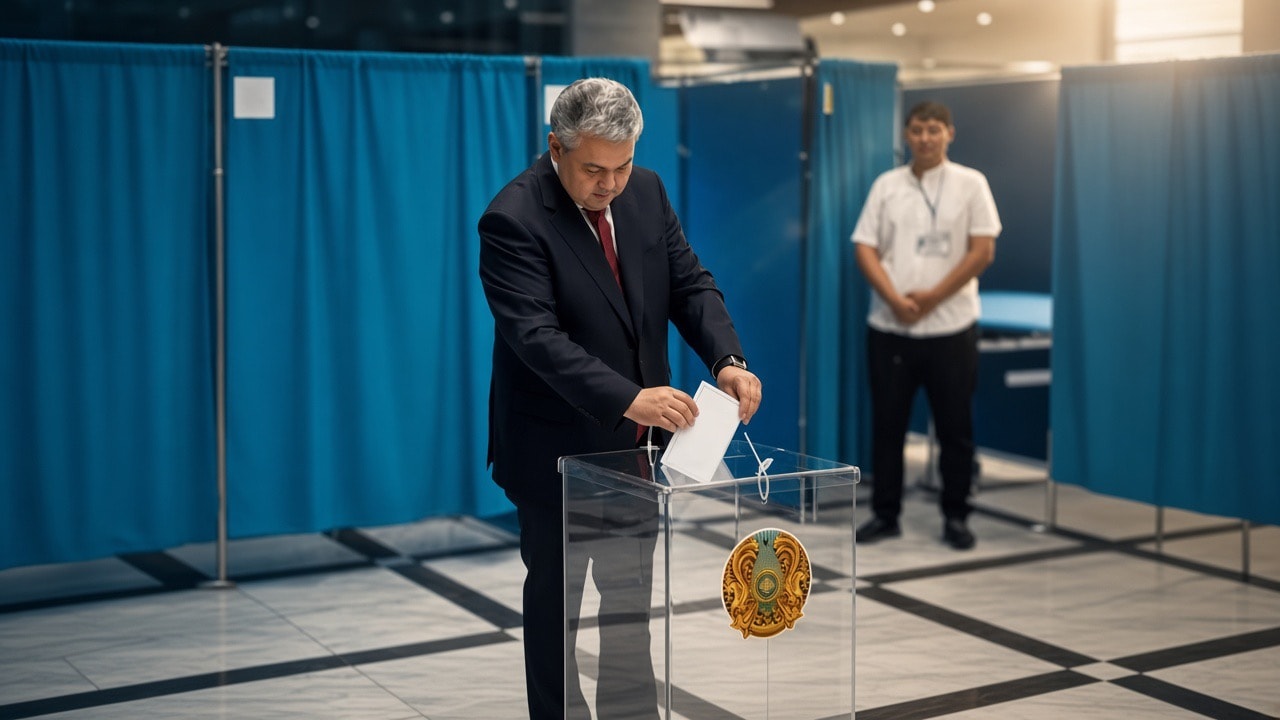
Kazakh citizens went to the polls on Sunday, 1 Sunbula, to elect members of the country’s first unicameral parliament since the adoption of a new constitution. A total of 545 candidates from seven political parties are competing for 145 seats in the new parliament, known as the “Kurultai.”
The election follows a series of political reforms and the adoption of a new constitution that transformed Kazakhstan’s previous bicameral parliamentary system into a single-chamber legislature. The new parliament is expected to play a significant role in lawmaking and oversight of the government, with a revised structure and expanded powers.
According to official figures, 12,605,788 citizens have registered to vote, while more than 10,000 polling stations have been established across Kazakhstan. Kazakh citizens living abroad are also eligible to participate in the election.
Kazakhstan’s Ministry of Foreign Affairs said that 79 polling stations have been established in 61 countries for citizens residing abroad. The stations are intended to facilitate the participation of Kazakh citizens living outside the country in the parliamentary election.
Under the new constitution, Kazakhstan’s unicameral parliament will have broader powers. Its responsibilities include passing legislation, overseeing the government’s performance, participating in votes of confidence concerning senior officials, and playing a role in the formation of certain high-level state institutions.
Kazakh President Kassym-Jomart Tokayev described the parliamentary election as “a new chapter in the country’s history,” saying that the vote marks the beginning of a new phase of political reforms following the implementation of the new constitution.
However, some international observers and media outlets believe the election could further strengthen Tokayev’s political position. According to these observers, many of the participating parties are closely aligned with the government, and forces supportive of the president are expected to secure a significant share of seats in the new parliament.
Under the new constitution, Tokayev, who has served as Kazakhstan’s president since 2019, will be eligible to run for another seven-year presidential term. This is regarded as one of the major political changes introduced through the country’s constitutional reforms.
The current election represents the first electoral test of Kazakhstan’s new parliamentary structure. Its results could shape the composition of the legislature and influence the course of political reforms in the years ahead. Following the close of voting, the counting of ballots and announcement of official results will determine the composition of the country’s first new unicameral parliament.
Writer:Salima Aryaei