
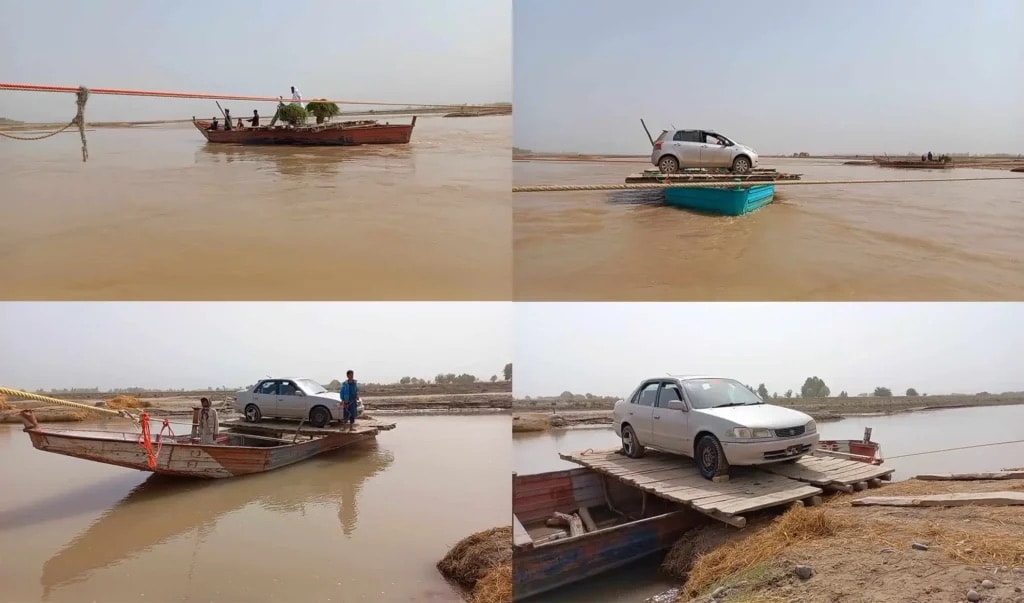
Residents of Darqad District in Takhar Province say the suspension of construction on a bridge over the Amu River has left the district geographically isolated, making access to healthcare, markets, and the provincial capital increasingly difficult for thousands of people.
According to local residents, construction of the bridge began approximately six months ago but was halted after Eid al-Adha. Since then, neither government officials nor the authorities responsible for the project have provided an explanation for the suspension or indicated when work will resume.
Abdul Rahman, a resident of Darqad District, told the media: “This bridge is not just an infrastructure project it is a vital transportation link and one of the most essential needs of the people of Darqad. With construction at a standstill, travel, the transportation of patients, and the movement of goods continue to face serious challenges.”
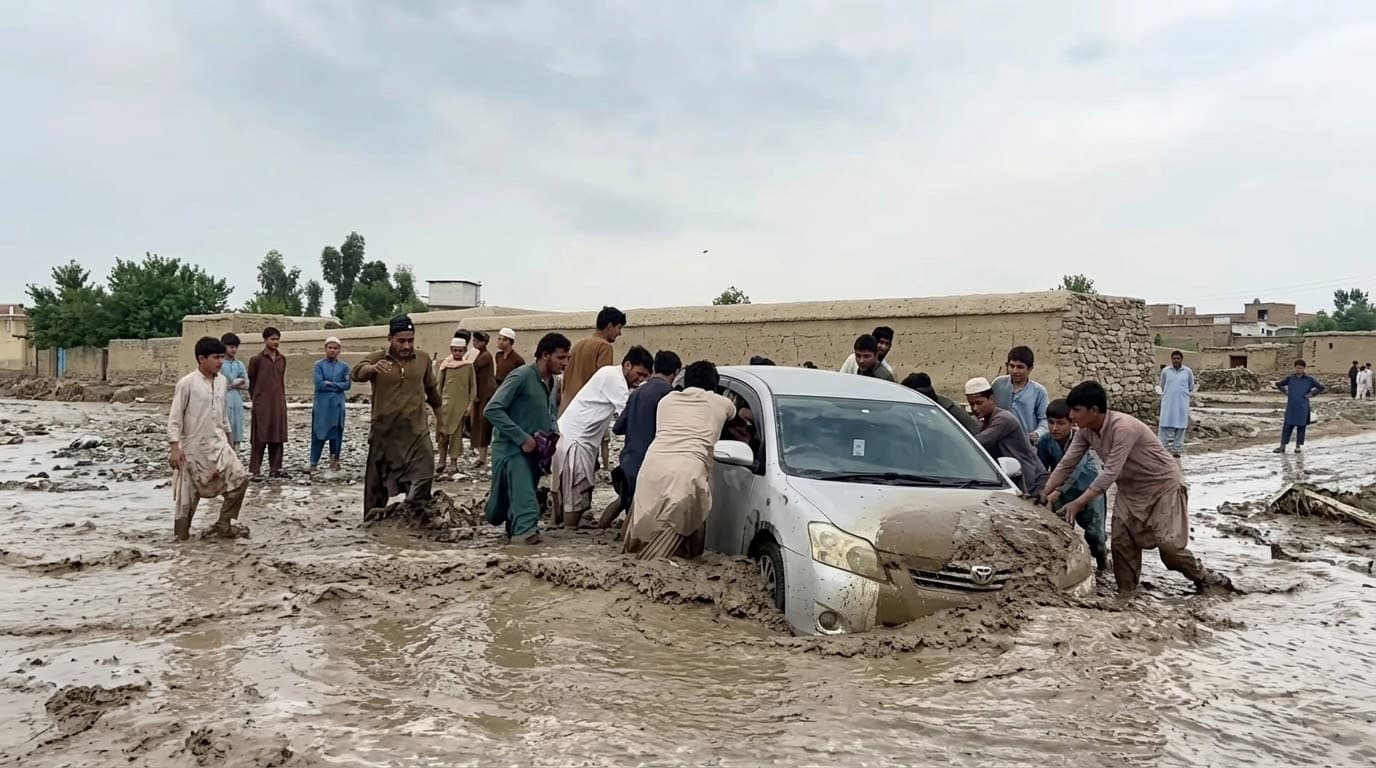
He added that the lack of a reliable transportation route has driven up transport costs. During the rainy season and periods when the Amu River floods, travel between Darqad and other parts of Takhar Province is sometimes completely cut off for several days.
Other residents say Darqad District, which lies along Afghanistan’s border with Tajikistan on the opposite side of the Amu River, has long suffered from a lack of basic infrastructure. They warn that the suspension of the bridge project has deepened concerns that the district’s long-standing deprivation will continue.
Mohammad Qasim, another resident, told Amu TV: “We have repeatedly called for this bridge to be completed, but no authority has explained why construction has been suspended. The people have the right to know why a project that had already begun has been left unfinished.”
Residents of Darqad District have urged the Taliban authorities and the agencies responsible for implementing the project to resume construction as soon as possible and to provide the public with a clear and transparent explanation for the delay.
Darqad District, located in northern Takhar Province, is considered one of Afghanistan’s most underserved districts because it lies across the Amu River. The absence of a permanent bridge has for years hindered residents’ access to healthcare, educational institutions, markets, and government services. Local residents believe that completing the bridge would help end Darqad’s geographic isolation, reduce transportation costs, stimulate economic activity, and improve access to essential public services.
Writer:Salima Aryaei