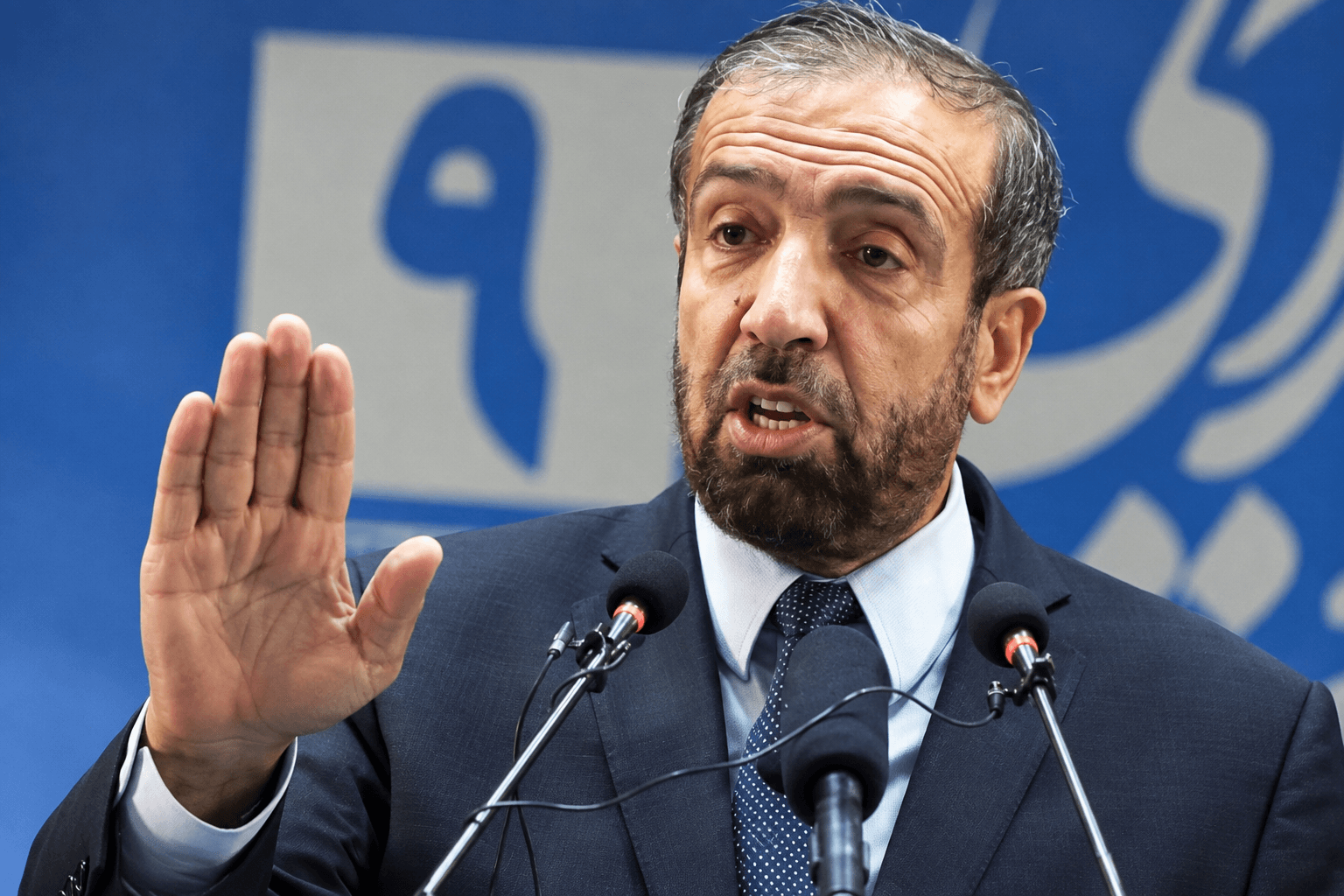

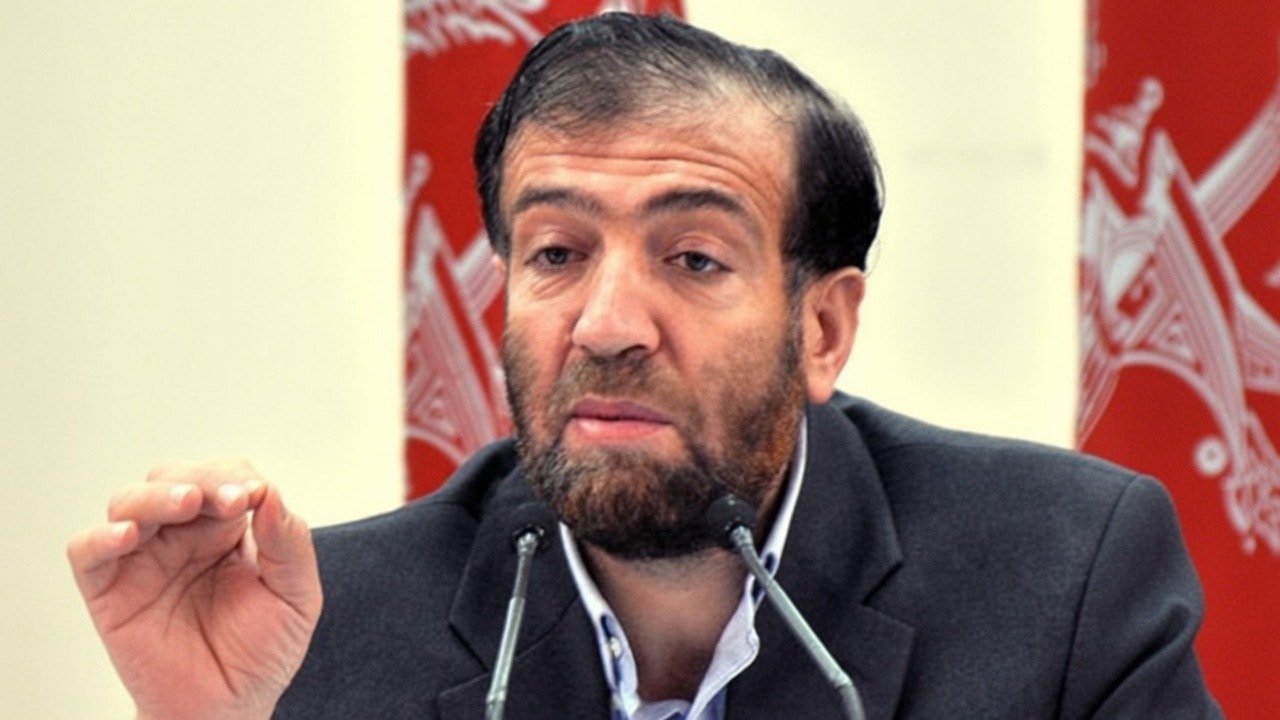
Fazil Ahmad Manawi, the former Minister of Justice during Afghanistan’s republican government, has welcomed the recent meeting of women’s affairs ministers from the Organization of Islamic Cooperation (OIC), describing it as a responsible and commendable step in defending the rights of Afghan women.
In a post on his X account on Tuesday (23 Saratan), Manawi strongly criticized the policies of the Taliban, stating that the group promotes a limited and extremist interpretation of Islam and Sharia. According to him, the Organization of Islamic Cooperation sent a clear message to the Taliban during its recent meeting, urging them to respect the human dignity and legitimate rights of Afghan women in accordance with the authentic teachings of Islam.
He added that millions of Afghan women have been deprived of education, employment, and social participation, while the Taliban continue to claim that their system is based on Islamic Sharia and that women’s rights are protected under their rule.
The former justice minister emphasized that the foundations of Islamic Sharia are based on mercy, justice, human dignity, and knowledge, and that many Islamic scholars and jurists support the legitimate rights of women. In his view, the recent consensus among OIC member states represents this authentic understanding of Islam, rather than the Taliban’s exclusive interpretation.
Manawi called on the Organization of Islamic Cooperation not to limit itself to statements and moral recommendations, but to take practical and effective measures to support Afghan women and end the Taliban’s discriminatory policies. He also stated that the Taliban are not open to reform and that their current conduct has harmed the compassionate image of Islam and Afghanistan’s international reputation.
These remarks came after the ninth OIC Ministerial Conference on Women, held in Islamabad under the theme “Empowering Women Socially, Economically, and Politically.” In its final declaration, the conference described the ban on girls’ education and restrictions on women’s employment in Afghanistan as being contrary to Islamic values and stressed the importance of ensuring women’s rights and broader participation.
Meanwhile, Taliban spokesperson Zabihullah Mujahid, responding to the declaration, said that the Taliban government does not accept the “demands” of organizations that, in his words, are influenced by Western values. He reiterated that restrictions concerning women are considered by the Taliban to be a domestic and religious matter and said they do not see a need for foreign criticism.
Writer:Saeed Sameer