
In recent weeks, several officials and figures close to the Taliban have taken to social media to publish emotional poetry touching on themes of "guidance," "the grace to act," "suffering," and "regret." This trend has caught the attention of observers, coinciding with an ongoing economic crisis, international isolation, and mounting domestic pressure on the group's administration.
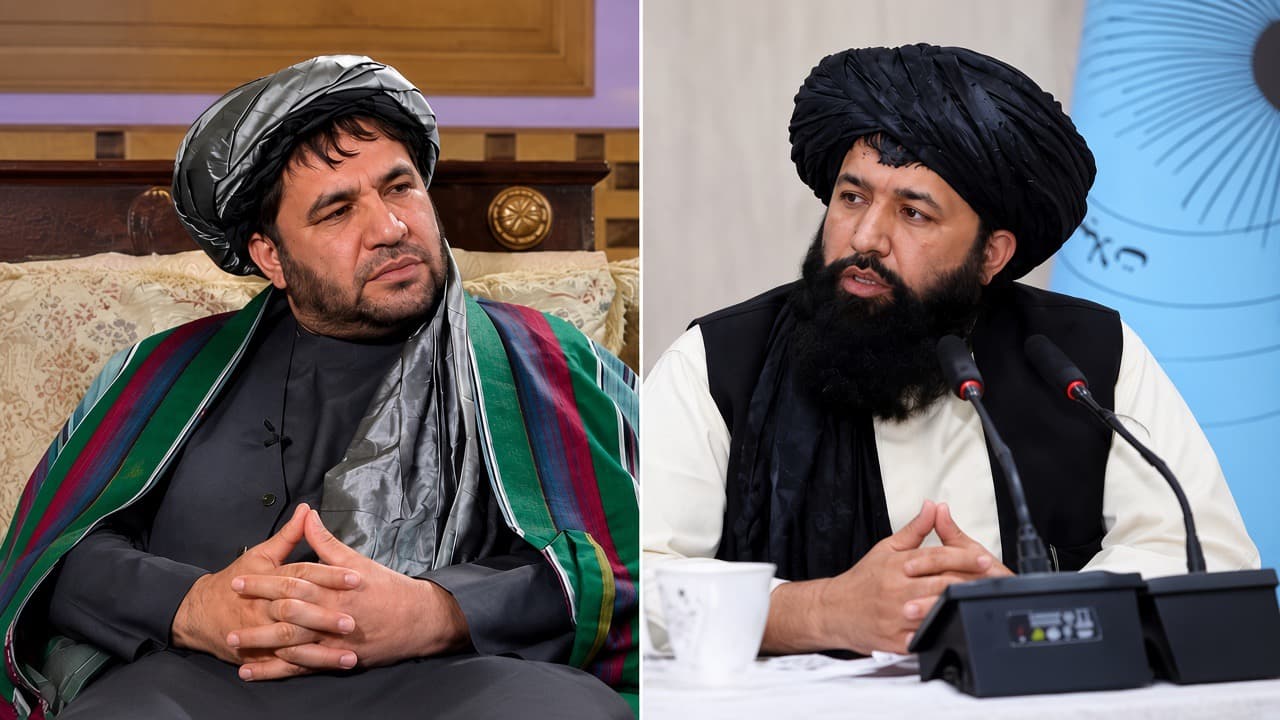
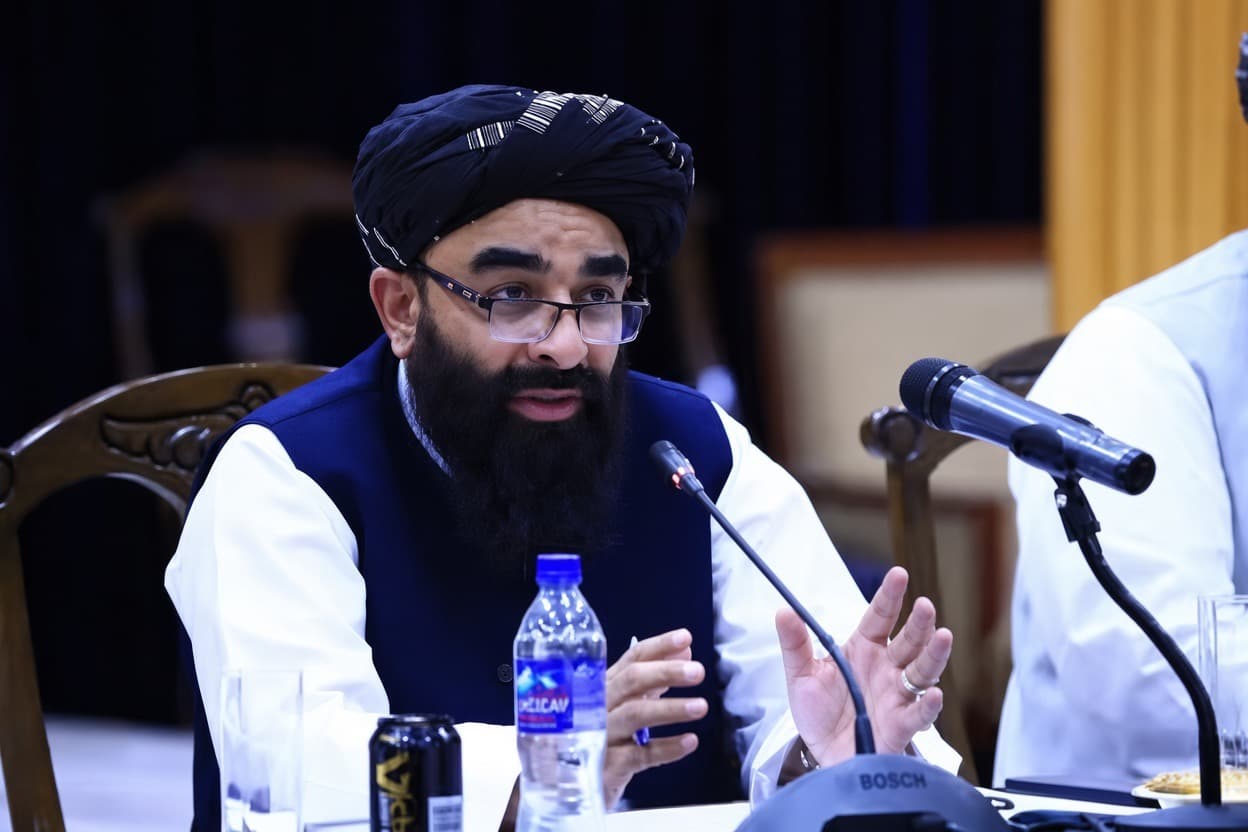
Shafi Azam, the head of economic relations at the Taliban’s Ministry of Foreign Affairs, recently shared a poem online seeking "a correct understanding of religion" and "the grace to act," while also making subtle references to current difficulties and challenges.
Prior to this, Anas Haqqani, a prominent Taliban figure, published two separate poems on the social media platform X (formerly Twitter). His verses focused heavily on themes of sorrow, restlessness, regret, and reflection on current circumstances, sparking widespread discussion across virtual spaces.
These developments unfold against a backdrop of severe restrictions imposed by the Taliban on cultural, literary, and artistic activities in Afghanistan over the past few years. Many writers, poets, and artists have expressed deep concern over the shrinking space for cultural and literary expression in the country.
Last year, the Taliban’s supreme leader, Mullah Hibatullah Akhundzada, codified the "Propagation of Virtue and Prevention of Vice" law. Under this legislation, the publication of certain literary works—including romantic poetry and content deemed by the Taliban to be "contrary to Islamic values"—has been heavily restricted, and poets are mandated to promote only those values sanctioned by the group.
Some observers argue that the publication of emotional poetry by Taliban officials, contrasted against the sweeping restrictions on free speech and cultural expression, highlights a profound contradiction in the group's cultural policy. Analysts note that while the Taliban systematically choke off the space for free literary and cultural expression, some of their own officials freely utilize poetry to voice personal emotions and anxieties.
Since returning to power in 2021, the Taliban have enforced stringent limits on the media, freedom of expression, and cultural initiatives. Human rights organizations have repeatedly warned that these policies have severely constrained the operating environment for writers, poets, artists, and cultural advocates, fostering a pervasive climate of self-censorship across Afghanistan.
Writer:Salima Aryaei