
Report of an unknown illness with gastrointestinal symptoms in western Kabul.
Local sources in Dasht-e Barchi, western Kabul, have reported the spread of an unknown illness with gastrointestinal symptoms among residents of the area. According to the sources, the illness began spreading last week in Wali Asr Township in the Qala-e Naw area and parts of Erfani Township, affecting an increasing number of people.
Sources say the initial symptoms include diarrhea, fever, and headache. However, the condition of some patients has subsequently deteriorated, with bloody diarrhea also reported among them. According to the sources, most of the patients seeking medical attention are children and elderly people.
A local source told the media that several hospitals and pharmacies in western Kabul have experienced an increase in patients in recent days. He said that two young children and their father had also contracted the illness but had yet to receive a definitive treatment despite visiting several health facilities.
The source added that he took the young children to Ataturk Hospital in Kabul for treatment, but said they did not receive adequate care there and were forced to return home. He further said that after several hours, the patients’ condition worsened again, with abdominal pain, vomiting, and other gastrointestinal symptoms.
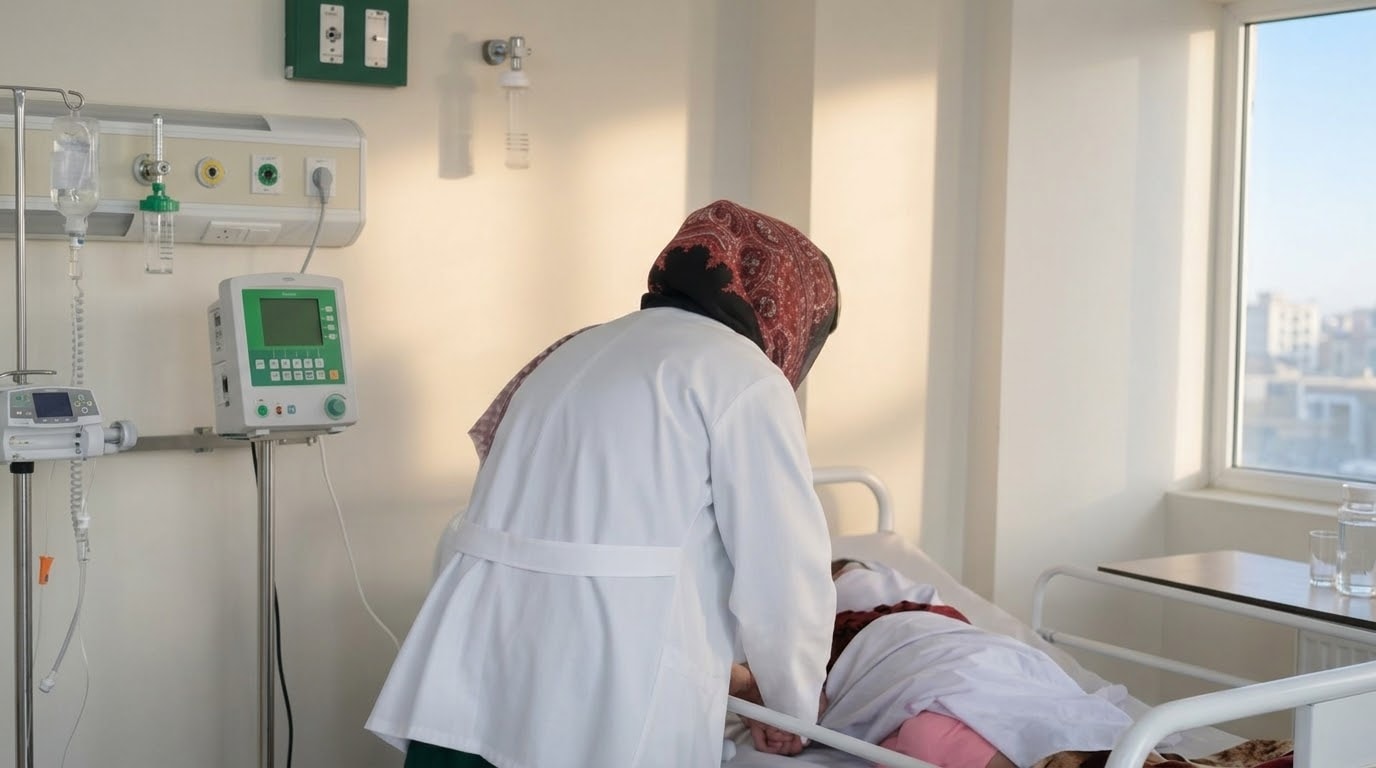
According to the source, on Sunday, 1 Sunbula, following an announcement at the local mosque, a number of patients were taken to Mohammad Ali Jinnah Hospital. He alleged that some patients developed allergic reactions after receiving medication at the hospital and were subsequently transferred to Kabul Infectious Diseases Hospital.
The source estimated that around 20 men and between 20 and 30 women were among those transferred. He said that at Kabul Infectious Diseases Hospital, most patients were given intravenous fluids and, according to him, no specific medication was prescribed to treat the illness.
He added that doctors have so far not provided patients or their families with a clear explanation regarding the cause of the illness, how it is transmitted, or how it should be treated. A nurse at a private hospital in western Kabul also told Etilaatroz that no specific treatment for the illness has yet been identified.
The nurse said that some patients continue to experience symptoms such as abdominal cramps and vomiting despite receiving medication. She added that the persistence of these symptoms has raised concerns among patients and their families.
Another source in western Kabul said that a number of students at private schools have also contracted the illness. According to the source, most of the affected residents use untreated water supplied by mobile water tankers, and it is possible that the use of this water may be linked to the spread of the illness. However, the cause of the illness has not yet been officially determined.
According to the source, severe water shortages in western Kabul have forced many families in Wali Asr and Erfani townships to obtain their drinking water from mobile water tankers. Local sources have called for the quality of the water to be examined and for the cause of the reported outbreak to be determined.
Taliban health authorities have so far made no official comment on reports of the illness spreading in western Kabul. Therefore, information regarding the exact number of patients, the cause of the illness, and its possible connection to drinking water remains subject to investigation and confirmation by health authorities.
Dasht-e Barchi, in western Kabul, is predominantly inhabited by Hazara residents and is considered one of the capital’s densely populated and underserved areas. Limited access to basic infrastructure, including reliable access to drinking water, has been a major challenge for residents of the area in recent years.
Last year, the Taliban relocated the equipment and administrative facilities of the state-run Mohammad Ali Jinnah Hospital from the area to Arzan Qimat in eastern Kabul. The move prompted reactions from local residents and some social activists at the time, raising concerns about access to healthcare services for people living in western Kabul.
Writer:Salima Aryaei