
As Afghanistan faces a severe shortage of healthcare services due to rapid population growth and the return of millions of migrants, restrictions imposed on women’s education in medical and midwifery fields have increased concerns about rising maternal and newborn mortality rates.
In many rural areas of Afghanistan, women still give birth at home without the presence of a midwife or even basic healthcare facilities a situation that midwives like Karima Mohammadi encounter and witness every day.
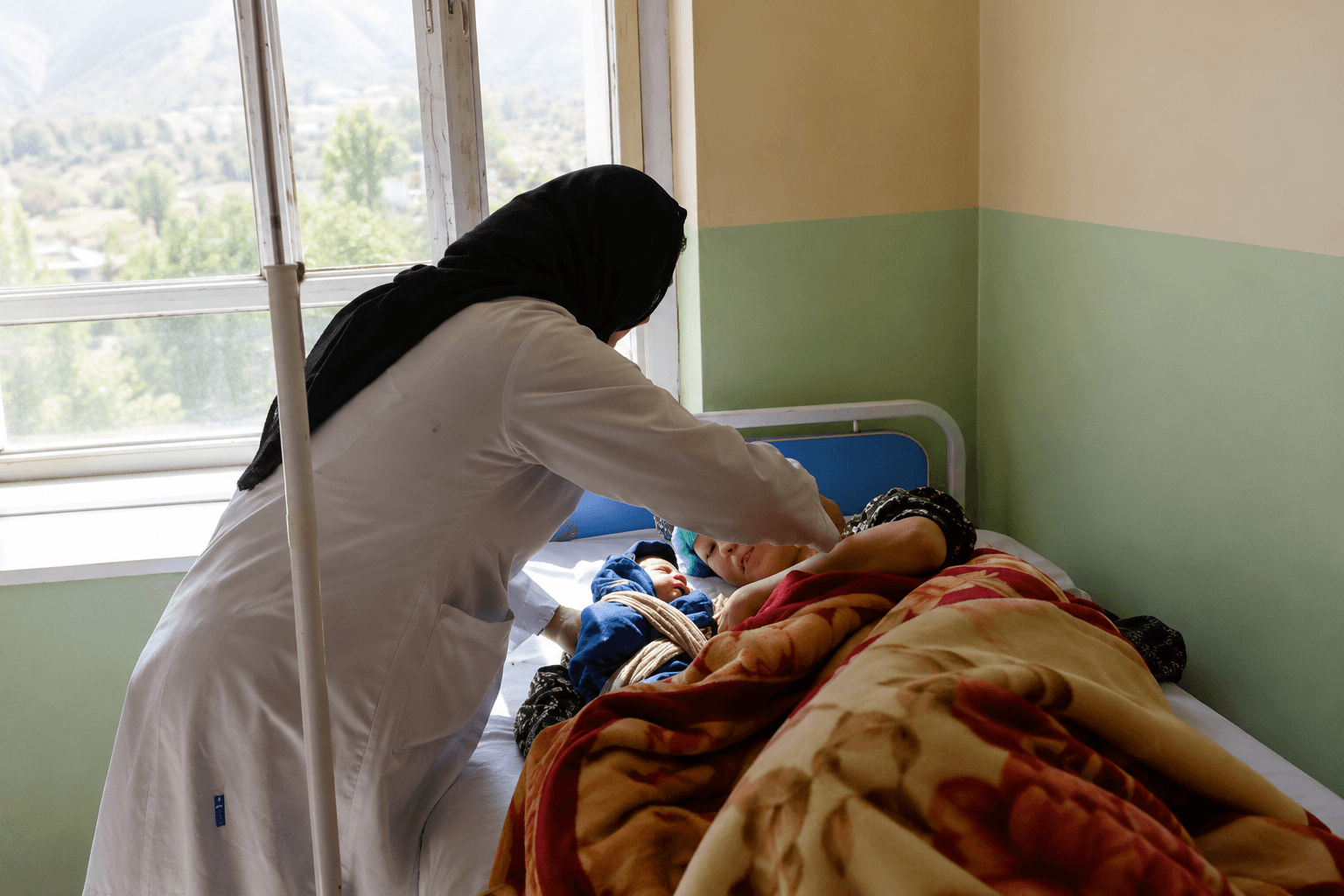
Karima Mohammadi is a midwife living in Injil district of Herat province in western Afghanistan. She and her colleagues in a village called Shakiban help deliver an average of around 40 babies each month. However, she herself once experienced a difficult childbirth without the presence of a midwife, a labor that lasted nearly two full days.
She says that this personal experience motivated her to pursue midwifery, and during the former republican government in Afghanistan, she received training in this field and began her professional career.
During the previous Taliban rule, Afghanistan faced a severe shortage of female doctors and midwives. However, after 2001 and the change in the political system, many women were able to study midwifery, and the number of trained midwives gradually increased across the country.
Speaking about her daily work, Karima Mohammadi says she conducts prenatal examinations, including checking blood pressure, weight, and the general condition of mothers, and prepares them for childbirth. She adds that helping mothers during delivery and saving newborns has been one of the most valuable experiences of her life.
In recent years, with the return of restrictions on women’s education in certain fields, reports of renewed shortages of midwives in different parts of Afghanistan especially in rural areas have increased. As a result, some pregnant women are still giving birth without professional medical supervision.
The World Health Organization has stated that in Afghanistan, one mother dies every hour due to preventable complications related to pregnancy and childbirth. The organization reports a maternal mortality rate of 521 deaths per 100,000 live births.
According to the report, factors such as high blood pressure, severe bleeding, and complicated deliveries are among the leading causes of maternal deaths, many of which could be prevented through access to proper healthcare services.
According to some United Nations reports, around 8,000 to 9,000 midwives are currently working in Afghanistan. However, experts emphasize that expanding access to education and healthcare services could play a significant role in reducing maternal and newborn mortality rates.
Writer:Salima Aryaei