
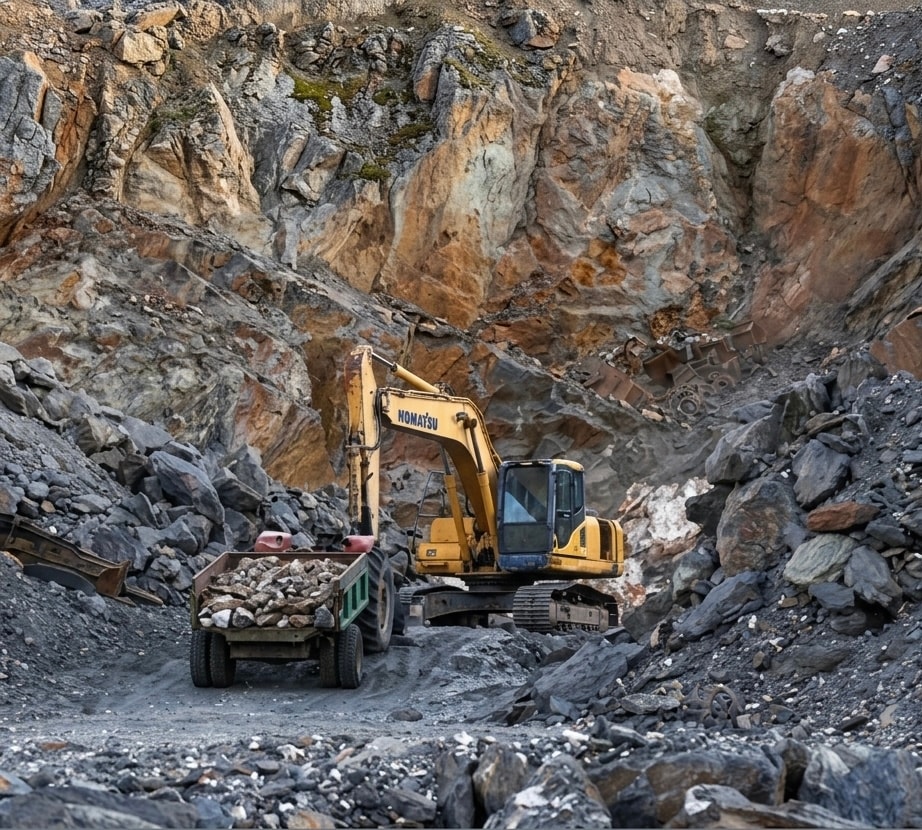
Since the Taliban returned to power, mining activities have expanded in various parts of Afghanistan, particularly in Panjshir. However, experts and mine workers say that insufficient attention is being paid to workers’ safety, and many laborers continue to work under hazardous conditions without access to standard protective equipment.
Workers in Panjshir’s mines say that due to low wages, they cannot afford to purchase safety gear themselves, while companies provide them with only a single safety helmet. According to them, the lack of protective equipment has contributed to the loss of many workers’ lives in mining accidents every year.
Meanwhile, Taliban officials in Panjshir claim that the expansion of mining operations has created employment opportunities for approximately 15,000 people, both directly and indirectly. The Taliban’s media office has stated that nearly 1,000 young people from Panjshir are engaged in the buying and selling of emeralds and other precious stones, earning income through auctions.
According to information provided by the Taliban, 16 types of mineral deposits have so far been surveyed in Panjshir, and extraction of emeralds, beryl, and other precious minerals and gemstones is currently underway. The statement added that 40 percent of workers in these mines earn between 6,000 and 10,000 Afghanis per month.
Despite these claims, the Taliban have faced criticism over what observers describe as non-standard mining practices, which not only risk the loss of valuable mineral resources but also cause environmental damage. In the provinces of Badakhshan and Takhar, local residents have repeatedly protested against water shortages, environmental degradation, and the failure of communities to benefit from mining revenues. In some cases, these protests have resulted in clashes with the Taliban.
Experts emphasize that, according to international standards, mining operations should be conducted with the participation and consultation of local communities, based on environmental assessments by specialists, and with principles of transparency and fairness. They argue that such measures are necessary to protect natural resources while ensuring that the interests of local residents are safeguarded.
Writer:Saeed Sameer