

With the outbreak of the U.S. and Israeli war against Iran at the end of February, the consequences of the conflict were not limited to the Middle East; the global economy was also affected.
Disruptions in trade routes and the transportation of goods around the world caused a sharp rise in oil prices, leading to higher inflation and instability in global markets.
At the same time, as economic uncertainty increased, many investors withdrew their capital from emerging markets and moved it into the U.S. dollar, a currency that is usually considered a safe financial haven during times of crisis.
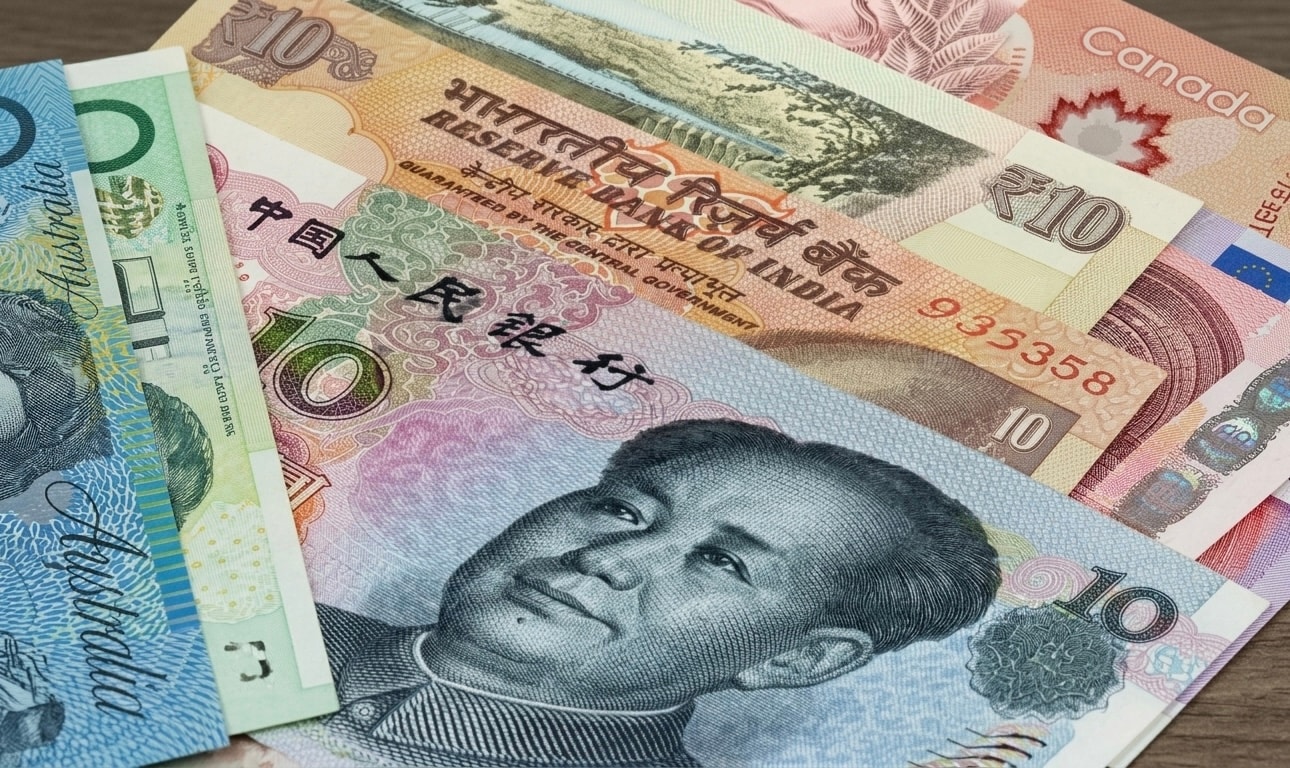
As a result of these developments, currency markets in various countries experienced volatility. The value of some currencies declined, others faced severe instability, while a number of currencies showed greater resilience.
André Perfeito, a Brazilian economist and director of a financial consulting firm, says: “Higher oil prices affect all countries, but exchange-rate fluctuations can either intensify or lessen the impact.”
Countries that import most of their energy needs, especially oil, have come under greater economic pressure than others. India, Indonesia, the Philippines, Thailand, and Egypt are among the countries facing rising fuel costs and declining foreign currency reserves.
With growing demand for the U.S. dollar, the currencies of these countries have weakened, increasing the cost of repaying their dollar-denominated debts.
At the same time, disruptions to shipping traffic through the Strait of Hormuz have driven up the prices of oil and many essential goods. Since most of these goods are traded in dollars, the depreciation of national currencies has made imports more expensive.
This situation has affected the prices of various products, from energy and plastics to fertilizers and food, increasing the cost of living for citizens.
In India, the value of the rupee has fallen by around 5 percent against the dollar since the start of the war, while rising oil prices have repeatedly pushed it to historic lows.
Experts say the rupee had already been weakening before the war began, but recent tensions have accelerated its decline.
To contain the crisis, some central banks have raised interest rates and sold part of their dollar reserves in an effort to support their national currencies.
Indonesia’s central bank has also tried to boost demand for the rupiah and prevent further depreciation by selling dollars and buying rupiah.
Although raising interest rates can increase returns on bank deposits, it also raises the cost of repaying mortgages and other debts.
Writer:Salima Aryaei