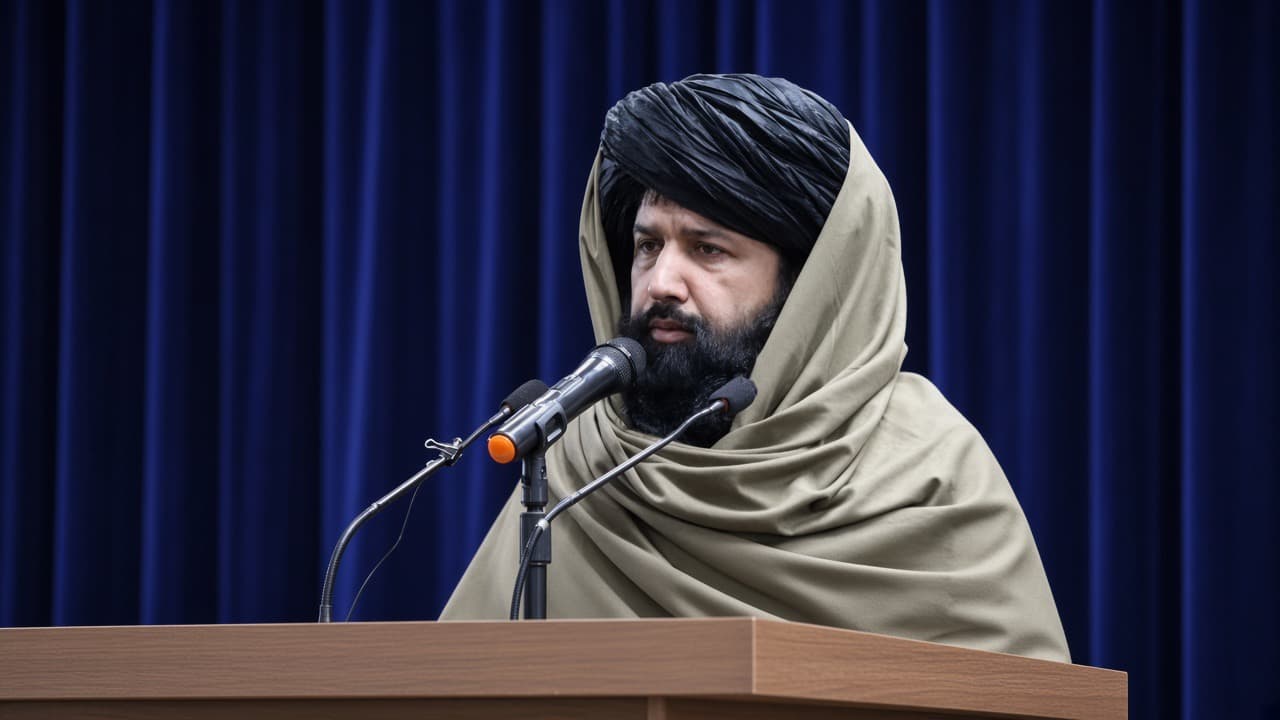

31 Sawr marks the tenth anniversary of the killing of Mullah Akhtar Mohammad Mansour, the second leader of the Taliban. He was killed in a U.S. drone strike in the Nushki area of Balochistan, Pakistan, while returning from a trip to Iran.
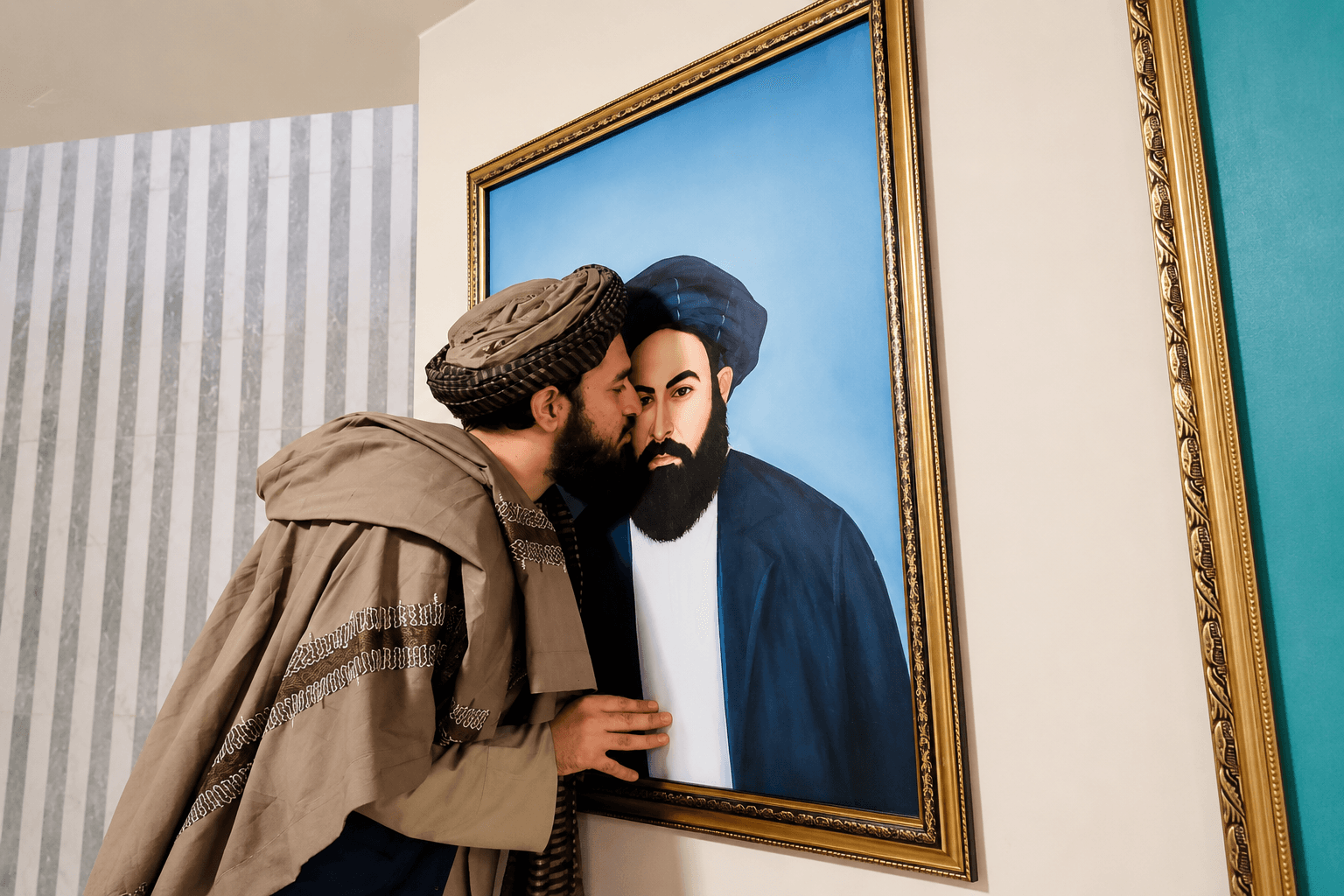
On the tenth anniversary of Mullah Akhtar Mohammad Mansour’s death, the Taliban has organized extensive ceremonies and activities as part of its cultural and propaganda programs. Several mosques and religious schools in Afghanistan, including a mosque in Balkh province, have been built in his name.
On this occasion, songs, recorded speeches, and videos attributed to Mullah Akhtar Mohammad Mansour have been broadcast through Afghanistan’s state media and Taliban-affiliated social media accounts. The Taliban has also published a book titled “Da Jihad Ao Azadi Sar Lari” (“The Path of Jihad and Freedom”) and officially portrays him as a figure who strengthened Taliban ranks during the war.
However, the Taliban rarely mention that Mullah Akhtar is the only leader of the group to have been killed in an airstrike. In contrast, Mullah Omar, the founder of the Taliban, went into hiding after the U.S.-led invasion and was never directly targeted in such an operation. Mullah Hibatullah Akhundzada, the Taliban’s current leader, also lives under strict security measures.
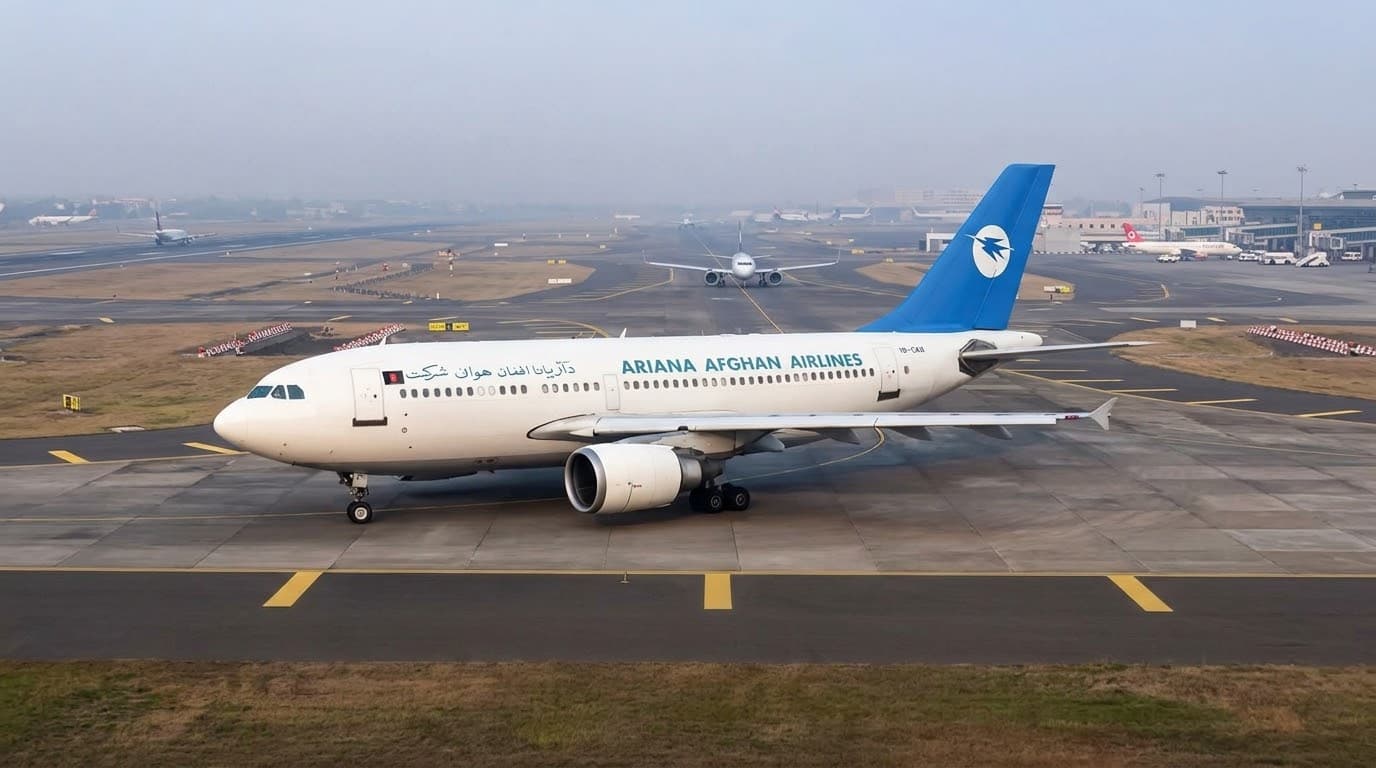
Mullah Akhtar Mohammad Mansour was born in the village of Band-e-Timur in Maiwand district of Kandahar province and belonged to the Ishaqzai tribe. During the Taliban’s first rule between 1996 and 2001, he served as the group’s Minister of Transport and Civil Aviation.
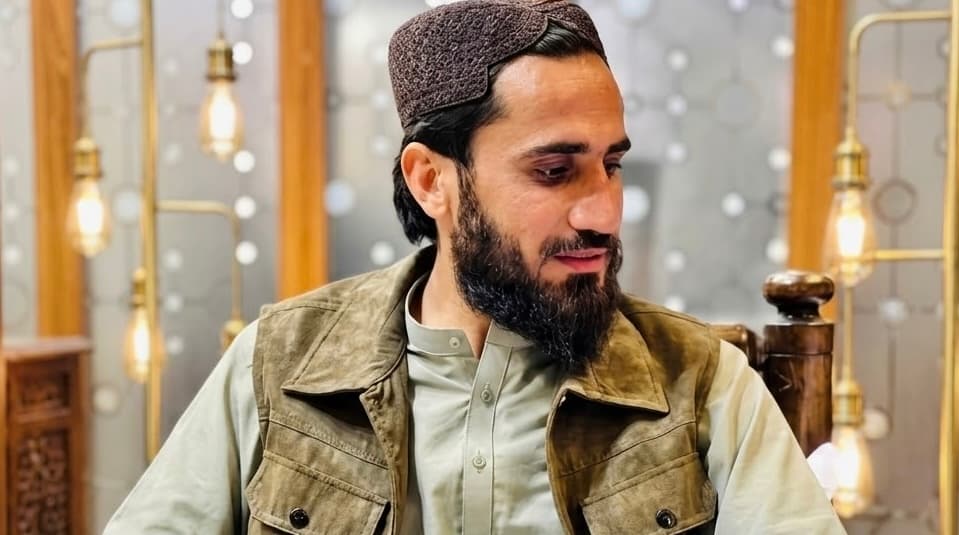
Fathullah Mansour, the son of Mullah Akhtar, currently serves as deputy minister in the Taliban’s Ministry of Transport and Aviation. Previously, he was also commander of the Taliban’s air forces in Kandahar. Observers view this as an indication of the influence and role of Taliban leaders’ families within the group’s current governing structure.
Reports suggest that in the current Taliban administration, many government positions are distributed based on an individual’s history within the group, wartime role, or closeness to Taliban leaders. As a result, several sons and relatives of Taliban leaders hold positions in key government institutions.
Critics argue that professional expertise and experience do not play a decisive role in many of these appointments, and loyalty to the Taliban leadership circle is often more important. Regarding Fathullah Mansour, it has been said that he lacks professional expertise in transport and aviation, and that his appointment was mainly due to his family background.
After the death of Mullah Omar was revealed in 2015, Mullah Akhtar Mohammad Mansour was introduced as the Taliban’s second leader. However, not all Taliban commanders accepted his leadership, and several senior members opposed him.
Mullah Rasul, one of the Taliban’s senior commanders, formed a splinter faction and refused to pledge allegiance to Mullah Akhtar. These disputes caused the Taliban to publicly face internal divisions for the first time.
At that time, some Taliban commanders believed that Mullah Akhtar lacked sufficient religious authority and influence to lead the group. According to observers, this issue contributed to increased internal tensions during his leadership.
Although the Taliban tries to portray Mullah Akhtar Mohammad Mansour as an influential and prominent figure, internal disputes within the Taliban increased during his leadership, and several commanders openly opposed him.
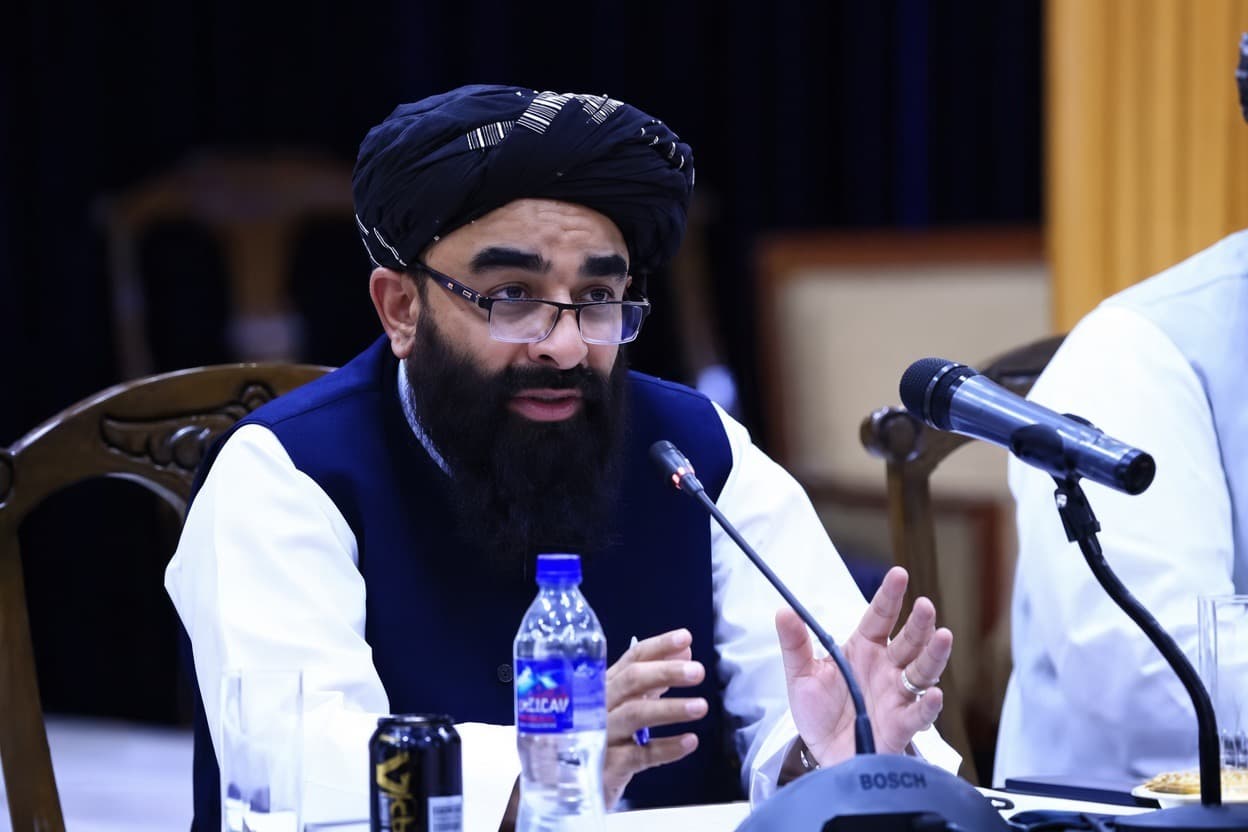
On the other hand, some former Afghan government officials, including former intelligence chief Rahmatullah Nabil, had previously claimed that Mullah Akhtar was involved in parts of the narcotics trade. The Taliban has not publicly responded to these allegations, and they are absent from the group’s official propaganda.
Within the Taliban’s propaganda structure, the group’s leaders and commanders are generally presented as “self-sacrificing” and “heroic” figures, with limited space for criticism.
Some Afghan citizens also view Mullah Akhtar Mohammad Mansour, like other Taliban leaders, as someone under whose leadership armed attacks and war in Afghanistan continued a war that caused widespread civilian casualties and heavy damage to the country’s infrastructure.
Despite this, the security environment in Afghanistan and fears of arrest and persecution have led many citizens inside the country to remain silent about the Taliban’s performance and the actions of its leaders.
Writer:Salima Aryaei