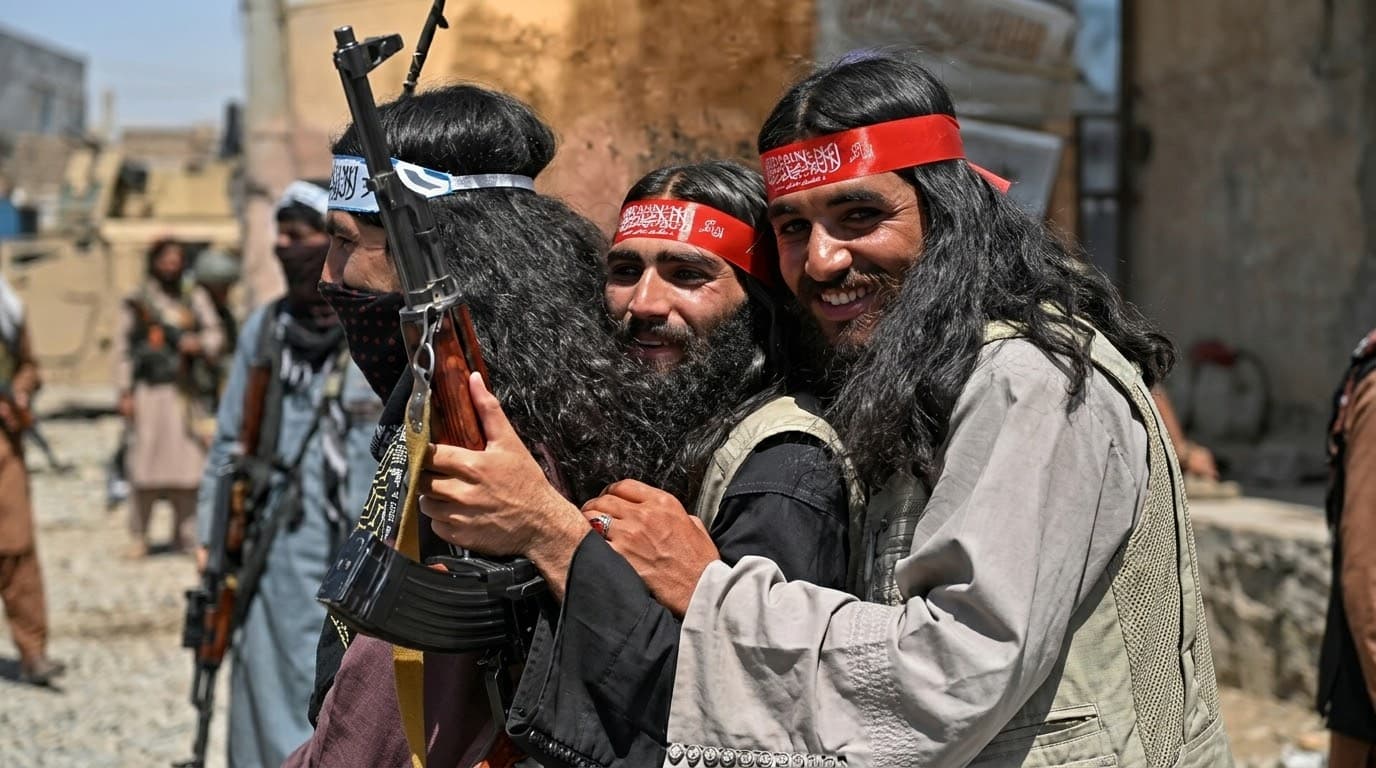

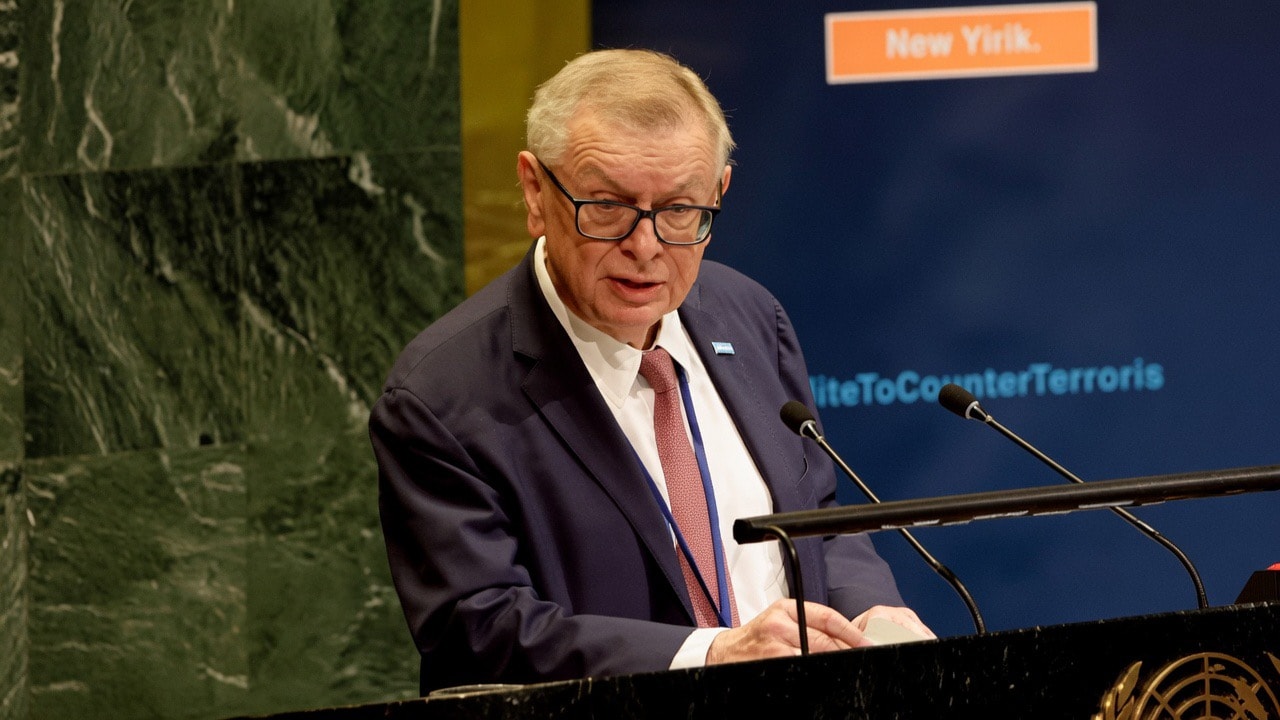
Alexander Zuev, Acting Head of the United Nations Office of Counter-Terrorism, stated that al-Qaeda continues to maintain a presence in Afghanistan and has preserved its ties with Taliban officials. At the same time, he said that the Islamic State’s Khorasan branch (ISIS-K) and the Tehrik-i-Taliban Pakistan (TTP) are currently among the most active terrorist groups operating in Afghanistan.
In an interview with the Russian news agency TASS, Zuev said that despite a decline in its activities, al-Qaeda remains present in Afghanistan and continues to maintain complex relationships with Taliban authorities. He added that Afghanistan has historically served as a base of operations for numerous extremist groups over the past several decades.
The UN official’s remarks came amid warnings from Russian Foreign Minister Sergey Lavrov regarding security threats emanating from Afghanistan. Lavrov described ISIS-K as the most significant threat to Central Asian countries, saying that the group, with expansionist objectives, seeks to use Afghan territory as a base for establishing a caliphate.
The Russian foreign minister made these comments at a meeting focused on preventing the supply of weapons to terrorist groups in Central Asia. Emphasizing the cross-border nature of security threats, he called for greater attention to the risks posed by terrorist activities in the region an issue also highlighted by Zuev.
Despite expanding its engagement with the Taliban, Russia continues to raise security concerns related to Afghanistan. Russian President Vladimir Putin has previously stressed that Moscow is not indifferent to security threats originating from Afghanistan.
Meanwhile, Asif Durrani, Pakistan’s former special representative for Afghanistan, said that due to ongoing regional security concerns, the Taliban government will not be recognized as long as Afghan territory is used for attacks against neighboring countries. He added that the Taliban would also remain excluded from the normalization of relations with the international community.
Durrani further identified the presence of armed groups including the Tehrik-i-Taliban Pakistan, ISIS-K, the East Turkestan Islamic Movement (ETIM), the Islamic Movement of Uzbekistan (IMU), and the Balochistan Liberation Army (BLA) as among the key factors contributing to Afghanistan’s continued international isolation.
Writer:Salima Aryaei